
Introduction
In recent decades, municipal governments have adopted urban greening programs to adapt to pressing environmental challenges (Gerlak, Elder, Pavao-Zuckerman, et al., 2021; Radonic & Zuniga-Teran, 2023). Such challenges include increased frequency of extreme heat events, diminished air quality, and urban flooding (Dorst et al., 2019; IPCC, 2023; Rakoto et al., 2021). Prior research has shown that urban greening—i.e., increasing the amount of pervious surface and coverage of vegetation in urban environments—can mitigate these challenges and provide ecological, social, and economic benefits for urban communities (Bowler et al., 2010; De Ridder et al., 2004; Gómez-Baggethun & Barton, 2013; Palliwoda & Priess, 2021). These outcomes are especially impactful for lower-income and disadvantaged communities where inequitable distribution of green space exacerbates vulnerabilities, diminishing residents’ quality of life (Dialesandro et al., 2021; Meenar et al., 2022; Radonic & Zuniga-Teran, 2023).
As new urban greening programs are implemented, researchers, practitioners, and policymakers have sought to enhance community participation in related policy development by supporting more inclusive engagement approaches (Rall et al., 2019; Wang & Chan, 2020). This reflects a shift from top-down decision-making to a more publicly accessible model—one that values bottom-up approaches that address the unique needs of communities and supports meaningful participation in the policymaking process (Campbell-Arvai & Lindquist, 2021). Such inclusive public participation empowers residents to contribute their situated knowledge and perspectives to help shape policies that address their communities’ needs (Lampinen et al., 2023).
Public participation in urban planning relies on a variety of methods to include community voices in policymaking processes such as design charrettes, scenario planning, consensus workshops, and decision-support systems (Hovis et al., 2026; Rowe & Frewer, 2005; Tiwari et al., 2014). Arnstein (1969) examined how these methods can vary in the level of power they afford participants in decision-making processes in her Ladder of Citizen Participation. In this model, the lower rungs represent public participation processes that only aim to inform the public, while the higher levels represent co-development of policy. Building on Arnstein’s seminal work, scholars have conceptualized public participation in different ways, adding an iterative connotation, highlighting the importance of trusted facilitation and the mode of participation, and identifying the level of the public’s impact on decision-making (inform, consult, involve, collaborate, and empower) (Zuniga-Teran, Brown, et al., 2025).
With an eye toward the latter, and working in close collaboration with city staff with policymaking responsibilities, we developed an engagement methodology that combines gamification and ludic engagement strategies to facilitate co-development of urban greening policies through participatory community workshops. Here, gamification is defined as the use of game design elements or gameplay structures in non-game contexts (Deterding et al., 2011; Fox et al., 2022) while ludic engagement—also referred to as playful design—refers to playful processes that encourage reflection, curiosity, and exploration through non-utilitarian, open-ended interaction (B. Gaver, 2002; W. W. Gaver et al., 2004).
Case Study Impact
Although prior studies have explored gamification and playful design as strategies for enhancing public participation in urban planning and environmental governance, we are the first to apply these methods to identify residents’ plant preferences. This is especially important as residential landscapes offer significant opportunities for greening in urban areas. Furthermore, our focused reflection on the methods applied to research plant preferences—rather than on the empirical findings, which are reported separately (see Radonic et al., 2025; Zuniga-Teran, Kokroko, et al., 2025)—presents crucial insights from workshop organizers and facilitators. Such insights, identified through a reflective practice approach (Finlay, 2002), are underreported in literature concerning urban greening policymaking, despite offering valuable guidance for enhancing public participation in urban greening processes.
This study fills these gaps by describing and assessing the innovative public participation method that we used to inform policymaking on green infrastructure development, seeking to serve predominantly Hispanic neighborhoods in Tucson, Arizona. These communities have been historically deprived of vegetation, are disproportionately impacted by extreme heat, and are underserved by existing greening programs (City of Tucson, 2021; Radonic & Zuniga-Teran, 2023). Because of this, the City of Tucson’s municipal water service provider, Tucson Water, has identified the participation of underserved communities in the development of future greening policies and programs as a priority. To this end, staff from Tucson Water’s Storm to Shade program—a city-led urban greening initiative to implement green stormwater infrastructure (GSI) throughout the city—participated in this study.
To support inclusive and meaningful urban greening policymaking, we developed an interactive engagement method called The Dream Garden Game, a low-tech, paper-based engagement activity designed to be conducted in in-person workshop settings. In the game, participants work individually or in groups to design residential garden layouts using physical materials representing garden elements and engage in facilitated small-group discussion and reflection exercises.
We employed our method during two community workshops to systematically collect qualitative and quantitative data on the plant preferences of residents in underserved communities in Tucson. Findings from these workshops aim to inform the development of future urban greening policies and programs in Tucson and other arid urban areas. Importantly, the method is designed to identify aspirational values and socio-ecological preferences related to residential greening, rather than to simulate decision-making under policy or resource constraints. In this way, the approach seeks to reveal values and perspectives that can inform more inclusive and culturally responsive greening policies.
Ultimately, we offer a methodology that researchers, practitioners, and policymakers can use to enhance public participation in urban greening policymaking and engage with communities to nurture more inclusive policymaking processes. To this effect, we share the materials we developed for this engagement method, explain the rationale behind their design, and discuss the iterative revisions made throughout our collective and reflective practice-oriented process to support accessibility and equity in public engagement.
The remainder of the article is organized as follows. First, we review literature on public participation in urban greening policymaking and the use of gamification and playful design in public participation processes. We also describe the case study context and the broader research effort our method was developed to support. We then document our community engagement methodology, providing a step-by-step description of how our method was designed and implemented. Reflecting on the application of the method, we then offer a critique of the approach and describe its challenges and limitations. Finally, we discuss the implications of applying gamification and playful design in public participation processes and how the approach may be useful for engaging participants in the development of inclusive greening policies and programs.
Literature Review
Public Participation in Urban Greening Policymaking
Public participation is a fundamental aspect of environmental governance and policymaking (Zuniga-Teran, Brown, et al., 2025). Participatory approaches help ensure that policies are informed by the lived experiences, cultural values, and ecological needs of communities (Head, 2007). In response to persistent inequities in access to public green space and decision-making processes in environmental governance, practitioners have sought out new methods to meaningfully elicit input from underserved populations (Jennings et al., 2012). To this end, the need to develop inclusive, creative, and contextually responsive public engagement strategies in urban greening policymaking has grown (Fors et al., 2021; Walker, 2025).
Participatory design and co-design frameworks offer an excellent point of departure for such efforts as they emphasize collaboration among stakeholders to foster the shared ownership of outcomes (Blomkamp, 2022; Wacnik et al., 2025). Examples of methods used in these frameworks include community workshops (Boeri et al., 2022), mapping exercises (Kajosaari et al., 2024), temporary installations or pilot projects (Hadj Kilani & Dhaher, 2024), citizen science and monitoring (Beck & Mitkiewicz, 2025), and digital platforms (Ng et al., 2024). Such approaches have been widely applied in urban planning and environmental governance to address asymmetries and promote inclusive policymaking (Yaffee & Wondolleck, 2003).
Participatory processes also empower residents to help shape the spatial and ecological character of their own neighborhoods and share in the social, environmental, and economic benefits of greening (Bressane et al., 2024). This, in turn, can foster a sense of ownership, encourage stewardship, legitimize policies, and increase the adoption of and long-term support for greening programs (Calderon & Butler, 2020; Heximer, 2019; Mullenbach et al., 2019).
Despite these benefits, challenges persist for practitioners seeking to meaningfully integrate public participation into decision-making and policy development processes. These include providing equitable access to participatory processes (De Weger et al., 2018), managing conflicting values and priorities amongst stakeholders (Liao & Liu, 2023), ensuring that policies and programs respond to community feedback (Meenar et al., 2022), and navigating mistrust caused by historic exclusion of marginalized communities from decision-making processes (Tran et al., 2025). These barriers underscore the need for innovative, context-sensitive engagement methods that expand access to participation, empower communities, provide benefits, and support the inclusion of diverse perspectives in urban greening policymaking.
Gamification in Public Participation
Gamification is one strategy used to support public participation in urban greening policymaking (Fox et al., 2022). Originating in human-computer interaction (HCI) and digital media studies, gamification emerged in the early 2000s as a strategy for influencing behavior and enhancing user enjoyment, motivation, and retention in software applications (Deterding et al., 2011). Since then, gamification has been studied in different domains where game design elements are applied in non-game contexts, using both digital and analog formats, to enhance public participation or gather community input (Deterding et al., 2011; Kasurinen & Knutas, 2018). Such domains include education (López-Belmonte et al., 2020), healthcare (Wallenburg & Bal, 2019), energy conservation (Huseynli, 2024), crisis management (Romano et al., 2022), and urban resilience planning (Fox et al., 2022).
As a public participation strategy, gamification is differentiated from related approaches—i.e., entertainment games, serious games, pervasive games, and playful design—based on the use of game-like elements (parts), rather than full-fledged games (wholes), and by drawing a conceptual distinction between “gaming” and “playing” (Deterding et al., 2011; Fox et al., 2022). In this context, gaming is defined as a type of play that is “structured by rules and competitive strife toward goals”, while playing is defined as a “freeform, expressive, improvisational” activity (Deterding et al., 2011, p. 3). Table 1 summarizes the differences between gamification and related approaches that integrate games and/or play into public participation processes.
In public participation processes, the use of game-like elements adds an interactive and engaging quality to the experience, heightening participant motivation and deepening involvement (Fox et al., 2022). As Kasurinen and Knutas (2018) found in their review of research trends in gamification, researchers widely acknowledge that gamification improves motivation to participate in tasks such as providing feedback on issues or proposals. Furthermore, they found that gamification is recognized as an effective strategy for supporting ecological health and sustainability education, improving the productivity of interactions between stakeholders, and for increasing efficacy of co-design efforts involving governments and their citizens (Kasurinen & Knutas, 2018). These findings align with Kim and Nam’s (2022) conclusions that gamified approaches can be applied in policy co-design workshops to help co-develop feasible policy recommendations that are agreed upon and accepted by both civil servants and citizens.
More specifically, gamification has been widely and effectively applied as a strategy for enhancing public participation in urban planning and environmental governance (Prilenska, 2019). For example, Thiel et al. (2019) applied gamification to facilitate discussions of planning proposals between stakeholders and policymakers, and Bishop (2011) used a gamified software application to enable users to share preferences concerning landscape planning with decision-makers. In another notable example, Lindquist & Campbell-Arvai (2021) used a gamified decision-support system to promote inclusive urban resilience planning by integrating visual storytelling and real-time feedback loops to enhance participants’ ability to suggest and see the potential outcomes of greening interventions. These examples illustrate how gamification has been applied to transform abstract urban planning and policymaking processes into tangible, interactive experiences, offering residents platforms to meaningfully share input with decision-makers.
Playful Design in Public Participation
While gamification emphasizes structured engagement through rule-based systems and goal-oriented mechanics, playful design offers a complementary approach (Deterding, 2016). Specifically, playful design promotes curiosity, exploration, and reflection; deemphasizes external goals; and maintains openness and ambiguity in participant interaction (W. W. Gaver et al., 2004). Originating in studies of interactive art and video game design (Korhonen et al., 2009; Morrison et al., 2007), playful design is broadly characterized by the provision of pleasurable experiences that are non-utilitarian and non-task oriented (Deterding et al., 2011). In public participation contexts, playful design invites participants to engage with ideas and environments in ways that are imaginative, personal, and often open-ended, thereby expanding the range of possible interactions and interpretations of problems and solutions (Delaney, 2022).
In contrast to gamification’s emphasis on motivation through challenge and reward, playful design aims to create spaces for dialogue, experimentation, and meaning-making (W. W. Gaver et al., 2004). This distinction is especially relevant in environmental governance and policymaking, where the complexity of issues and diversity of stakeholder perspectives often require methods that support deliberation, consensus-building, and negotiation, rather than zero-sum competition to achieve individual or group-specific goals (Mayer, 2009; Susskind & Kim, 2022). Knaving and Björk (2013) draw on self-determination theory to support this argument, asserting that designing for playfulness increases intrinsic motivation—i.e., motivation rooted in satisfaction, pleasure, and fun—as opposed to extrinsic motivation, which is driven by the promise of achievement-based reward. Thus, designing for playfulness can result in participatory processes that are more relatable, nurture social bonding, foster feelings of competency, and provide participants with autonomy (Knaving & Björk, 2013; Szilágyi-Nagy, 2022).
To this end, a growing body of scholarship has explored the use of playful design in public participation processes (Krek, 2008; Poplin, 2012; S.-K. Thiel et al., 2016; Walker, 2025). Notably, researchers have also identified positive outcomes that extend beyond increased participation in governance and policymaking. For example, Björgvinsson et al. (2012) used playful design strategies to challenge perceptions of belonging in public spaces and encourage inclusion of youth from marginalized immigrant communities in civic society. Gordon and Baldwin-Philippi (2014) found that encouraging reflection through playful design can help to develop both vertical and lateral trust and increased empathy for others participating in civic engagement processes. Finally, Perna and Ferri (2020) argue that playful design improves participatory processes by making complex urban issues more tangible, supporting capacity-building and social learning, and providing lower-risk and more accessible options for participation.
Ultimately, playful design can be a valuable strategy for enhancing public participation in urban greening policymaking. By fostering emotional connection, creative exploration, and inclusive discourse, playful design can help bridge gaps in trust, expand access to participation, and support the co-creation of policies that reflect the diverse needs and aspirations of communities.
Toward a Hybrid Approach
As noted, both gamification and playful design have been used to enhance public participation in urban planning and environmental governance. However, the large spatial scale and scope of such efforts may diminish opportunities to draw more nuanced insights into how socioeconomic context or lived experience can inform policymaking. Additionally, as Fors et al. (2021) note, the strategic planning and management of urban green spaces tend to follow a linear pattern in which public participation only occurs once or twice across the entire planning, design, implementation, and maintenance process, inhibiting iterative incorporation of finer-grained community input. These challenges may reduce the legitimacy and acceptance of greening programs and policies, generally, and in underserved communities, particularly.
Moreover, while gamification and serious games have gained traction in urban planning as tools for exploring trade-offs, simulating policy outcomes, and enhancing stakeholder engagement (Ampatzidou et al., 2018), fewer studies have embraced the open-ended, expressive qualities of playful design for guiding policymaking. This represents a knowledge gap concerning the range of strategies practitioners might use to support inclusive public participation and may limit inclusive policy development since playful design encourages the kind of intrinsic motivation for participation that can be attenuated by more structured engagement approaches (Knaving & Björk, 2013). Addressing these challenges requires the intentional use of playful design as a method of inquiry and expression, enabling participants to articulate their preferences and perspectives, thus fostering more inclusive, innovative, and responsive environmental governance and urban greening policymaking.
The literature reviewed here highlights the importance of inclusive, creative, and contextually responsive public participation methods in urban greening policymaking. Specifically, gamification and playful design offer complementary frameworks for developing participatory processes that are both structured and expressive, while encouraging participation, fostering reflection, and promoting meaningful dialogue.
Drawing on this literature, we present a hybrid methodology that integrates gamification and playful design to support public participation in urban greening policymaking by creatively identifying residential plant preferences in minority-majority communities. In this way, our method—The Dream Garden Game—serves as a model for how games and play can be combined to support co-development of policy, enhance public participation, and provide actionable insights for policymakers. Ultimately, our hybrid approach contributes to a growing body of scholarship that seeks to bridge the gap between the theory and practice of public participation, offering a replicable method to enhance equity and inclusion in urban greening efforts.
Case Study Context: Urban Greening in Tucson, Arizona
Tucson is the second-largest city in Arizona, United States, with more than one million people residing in the metro area. People who identify as Hispanic or Latino comprise 44.80% of the city’s population (U.S. Census Bureau, 2021). The median household income (in 2022 dollars) is $52,049, and 19.60% of residents live below the national poverty line (U.S. Census Bureau, 2021).
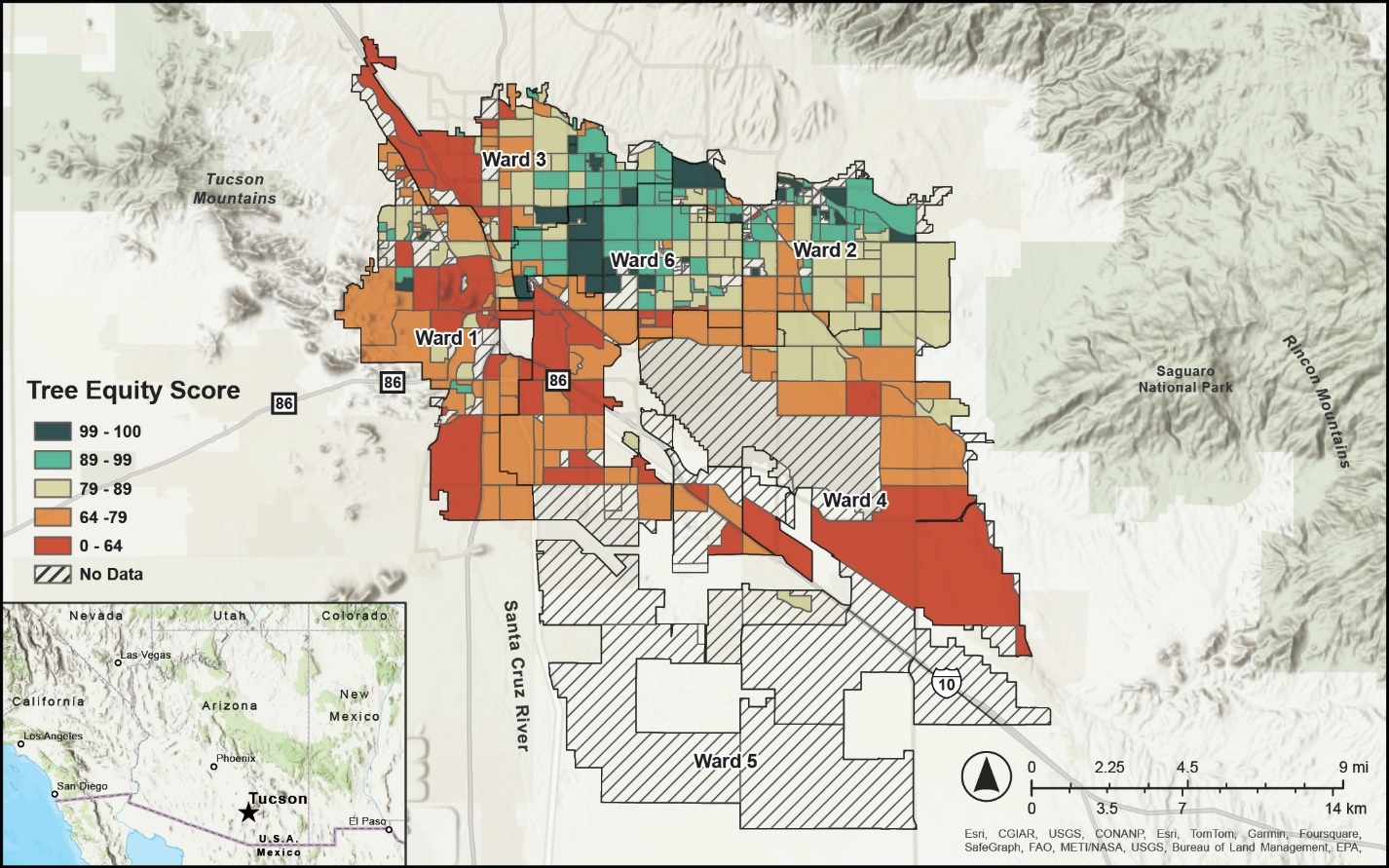
Located in southeastern Arizona, the city is situated in the Sonoran Desert in a semi-arid, water-limited region that receives approximately 11.14 inches (283mm) of precipitation annually and where summer temperatures regularly exceed 100°F (37.78°C) (Bakkensen & Johnson, 2017; Brown et al., 2022; Luketich et al., 2019). Since 1970, the city has experienced a 4.48°F rise in mean temperature, making it the third-fastest-warming city in the U.S. (Landgrave-Serrano & Stoker, 2023; Sami & Keith, 2023). Negative public health outcomes associated with increased heat are experienced unevenly throughout the city and thermal inequities disproportionately affect lower-income and Hispanic communities containing less vegetation than other parts of the city (Figure 1) (Dialesandro et al., 2021; Zuniga-Teran et al., 2021). Importantly, equity-centered and community-informed urban greening initiatives can attenuate thermal inequities by increasing cooling vegetation in areas where it is needed most while providing additional benefits such as improved air quality and aesthetics (Ibsen et al., 2021; Luketich et al., 2019).
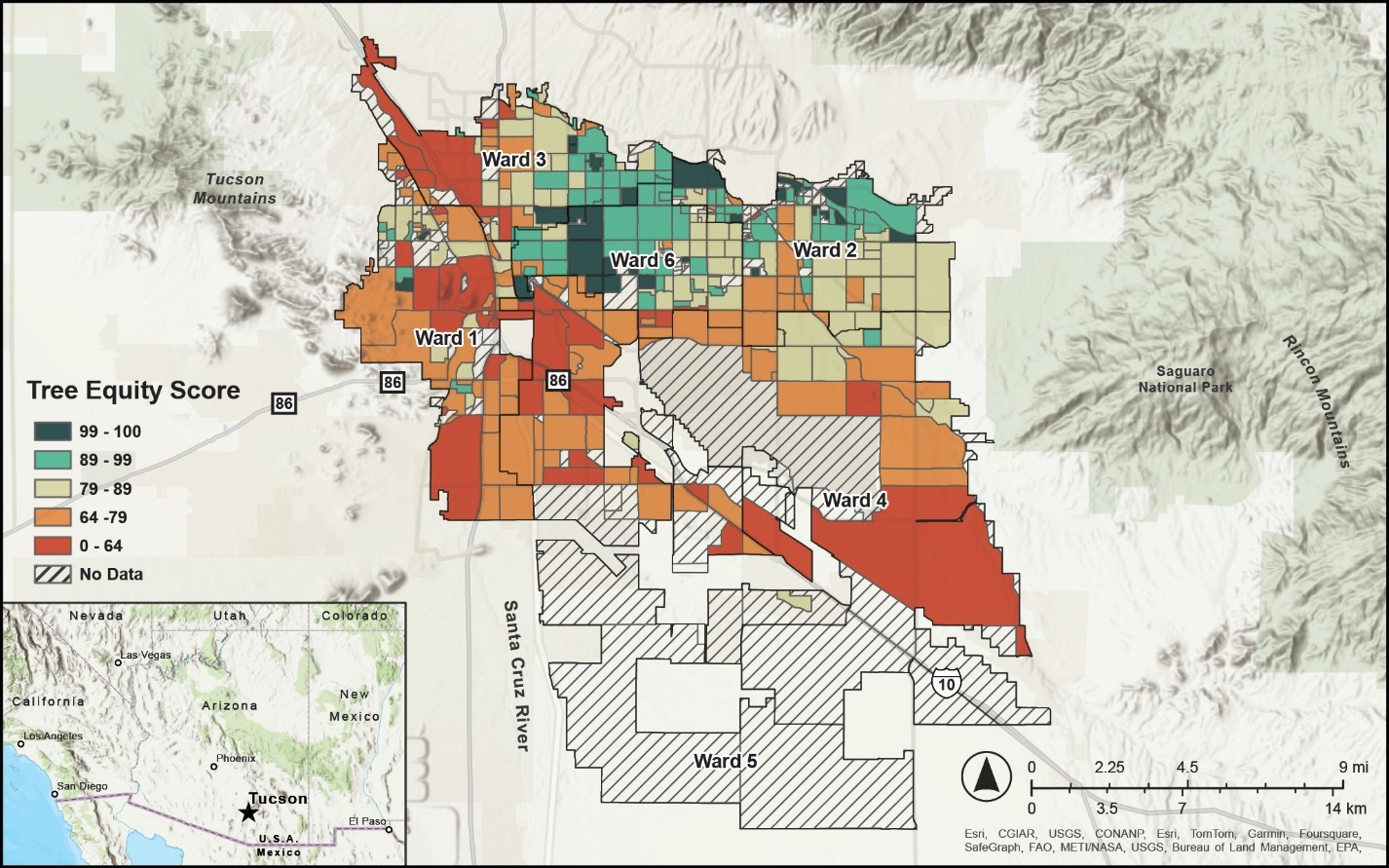
Ongoing greening efforts implemented by the City of Tucson and local non-governmental partners focus on increasing urban vegetation in an equitable and water-resilient manner (Gerlak, Elder, Thomure, et al., 2021; Zuniga-Teran & Staddon, 2019). Though often supported by the sweat equity of partnering community groups, these initiatives represent a top-down approach to greening as they are initiated or funded via public policy measures (City of Tucson, 2022; City of Tucson & Tucson Water, 2022). However, in recent decades, community-led greening initiatives have also transformed the city’s urban environment, mostly in middle-class, white neighborhoods. According to Gerlak et al. (2021), bottom-up green infrastructure in Tucson started with a resident, Brad Lancaster, who illegally cut the street curb in front of his property to allow runoff to enter the dirt strip, or verge. The influx of water would eventually support vegetation, creating shade and wildlife habitat. This behavior that created a small oasis in the middle of a hot and dry streetscape inspired neighbors to do the same, and eventually the City adopted this practice as part of water conservation programs, These bottom-up efforts have significantly contributed to greening in the city by establishing green infrastructure and increasing plantings of native vegetation, and over time, inspired an array of greening programs managed by multiple governmental and non-governmental organizations (Zuniga-Teran, Brown, et al., 2025).
This mix of top-down and bottom-up approaches has led to the successful implementation of greening initiatives and projects at various scales across the city. However, gaps still exist between the objectives, decision-making processes, and methods of each approach. In some cases, these gaps have created dissonance between the desired outcomes of urban greening policies instituted at the governmental level and the extent to which they respond to the sociocultural characteristics or economic needs of communities (Radonic & Zuniga-Teran, 2023). This poses significant challenges for equity in access to the benefits of urban greening and has been shown to minimize underserved communities’ participation in smaller-scale—i.e., residential—greening programs (City of Tucson, 2021).
Unequal greening outcomes represent an environmental justice issue because most of Tucson’s greening programs are funded through a fee charged to all Tucson Water customers, but are mostly adopted by middle-class residents (Gerlak, Elder, Pavao-Zuckerman, et al., 2021). Therefore, outreach efforts are needed to understand the reasons behind the lack of adoption of greening programs in disadvantaged neighborhoods. We hypothesized that the type of plants offered through greening initiatives may play a role in program adoption, and that current plants offerings may not be what the most vulnerable population wants or needs (for more information, see Zuniga-Teran, Kokroko, et al., 2025).
Given this context, we propose that top-down urban greening efforts can be improved by better integrating community perspectives on plant preferences and associated ecosystem services. Such an approach can help close the gap between broad-scale, top-down greening programs and the bottom-up greening practiced at the hyperlocal level. This, in turn, can lead to a more equitable distribution of the benefits of urban greening across the city.
Methodology: The Dream Garden Game
We used community workshops to identify residents’ plant preferences and the reasons driving those preferences—i.e., desired ecosystem services. We drew on our own prior experiences, as well as best practices in community engagement (for general references, see Creighton, 2005; Tiwari et al., 2014, among others), to develop an innovative, accessible, and interactive engagement method. Our goal was to create a workshop activity that encouraged participants to confidently share nuanced perspectives on how plants shape their preferences for outdoor spaces.
In this section, we describe the three overarching phases of our methodological approach: (1) pre-engagement planning, (2) engagement implementation, and (3) post-engagement analysis and evaluation. In doing so, we document the six steps taken to identify the plant preferences of residents underserved by urban greening programs. These six steps provide a guide for applying our methodology in other public participation processes related to urban greening policymaking. The six steps outlined in Table 2 structure the engagement process and are described sequentially below, with associated outputs and reflections integrated into each phase.
Because this study did not include a formal evaluative component, insights related to engagement and inclusivity are based on facilitator observations and reflective analysis rather than systematically measured outcomes.
Step 1: Workshop Planning. Workshop planning occurred from the Fall of 2022 to the Spring of 2023 and was supported by members of our multidisciplinary team and stakeholders, who include staff of Tucson Water’s greening program and the Sonora Environmental Research Institute, Inc. (SERI), a community-based non-governmental organization (NGO) and trusted intermediary with deep ties to disadvantaged communities in Tucson. Stakeholders became our research partners and attended bimonthly meetings to plan the project from conception to completion. Together, we developed the goals and objectives of the community workshops and the data to be collected.
In anticipation of workshop participants identifying Spanish as their preferred language, most study team members were bilingual in Spanish and English. We also recruited bilingual graduate research assistants, who supported planning, facilitation, and data analysis. Additionally, though workshop materials were initially developed in English, they were ultimately translated to Spanish.
Planning activities were led by SERI, who manages a greening initiative called the Low-Income Rainwater Harvesting (LIRH) program. This program facilitates private loans and grants for low-income households in Tucson to install rainwater harvesting systems and helps residents apply for reimbursements from Tucson Water’s Rainwater Harvesting Rebate Program (Gerlak, Elder, Pavao-Zuckerman, et al., 2021; Radonic et al., 2025; Zuniga-Teran, Brown, et al., 2025).
Based on the study team’s size—thirteen researchers and collaborating partners—and our engagement budget, we planned to recruit 40-60 participants, divided evenly between two workshops. This structure helped maintain a minimum ratio of one facilitator—i.e., a member of the study team—for every three participants per workshop. This maximized the number of participants per workshop without limiting facilitators’ abilities to support completion of the engagement activity and accounted for the possibility that not all members of the study team would be available for both workshops.
Selecting venues for the workshops was also an important planning consideration. We prioritized ease of access to workshop locations for participants, searching for venues in the heart of the communities identified, with plenty of free parking, and served by public transport. Ultimately, St. John’s Catholic Church and the Valencia Library branch of the Pima County Public Library were selected as venues.
Step 2: Participant Recruitment. The participant recruitment process, also led by SERI, prioritized selecting adult participants who live in neighborhoods on Tucson’s south side. These neighborhoods were identified by the City of Tucson and prior research as underserved by municipal greening efforts (City of Tucson, 2021; Radonic & Zuniga-Teran, 2023; Zuniga-Teran, Kokroko, et al., 2025). Our recruitment process leveraged the social networks developed by SERI through the implementation of the Low-Income Rainwater Harvesting program and other programs. SERI, in turn, relies on promotoras, who are trusted lay members of the Hispanic community who typically conduct outreach to connect health and social workers to the residents. Working with organizations, such as SERI, that have longstanding and existing trust established with the community is crucial for participation (Hovis et al., 2026).
SERI’s ongoing work in the communities of interest was crucial for identifying workshop participants, as it used its database of residents from these communities who had applied for other programs. The promotoras reached out to the people listed in the database via text, phone, or in-person visits. They also invited people who live on the south side of the city, even if they had not applied to any program administered by SERI. Our only requirement for participation was that participants be older than 18 and live in the south side.
Leveraging SERI’s network was important for engaging communities that have historically faced barriers to participation in planning and policymaking processes, despite previous engagement with rainwater harvesting programs. However, it is important to acknowledge that recruiting through such networks may introduce participation bias. To support inclusivity and garner more diverse perspectives, future applications of this methodology could expand recruitment efforts and draw from community anchors such as schools or neighborhood groups to engage residents with less exposure to gardening or greening programs.
An important aspect of the recruitment process was the offer of a $25 gift card to each participant and breakfast from a renowned Mexican food restaurant. Participants were also offered the opportunity to bring their children or elders, if they were the caregivers, although children would not participate in the activities. In addition, we held workshops in both English and Spanish to encourage participation by residents who did not speak English (Radonic et al., 2025). This targeted and equity-centered recruitment approach brought together participants who could offer valuable insights needed to guide responsive urban greening policymaking.
Step 3: Game Development. In sum, The Dream Garden Game asked participants to imagine living in a single-family house in Tucson with a large front and back yard. Participants were instructed to design their ideal residential landscape—assuming that money for implementation or maintenance was not a limiting factor—and to pay special attention to the types of plants they would include. They were then asked to describe the reasons they selected the various types of plants included in their garden designs. We interpreted these reasons as proxies for participants’ desired ecosystem services.
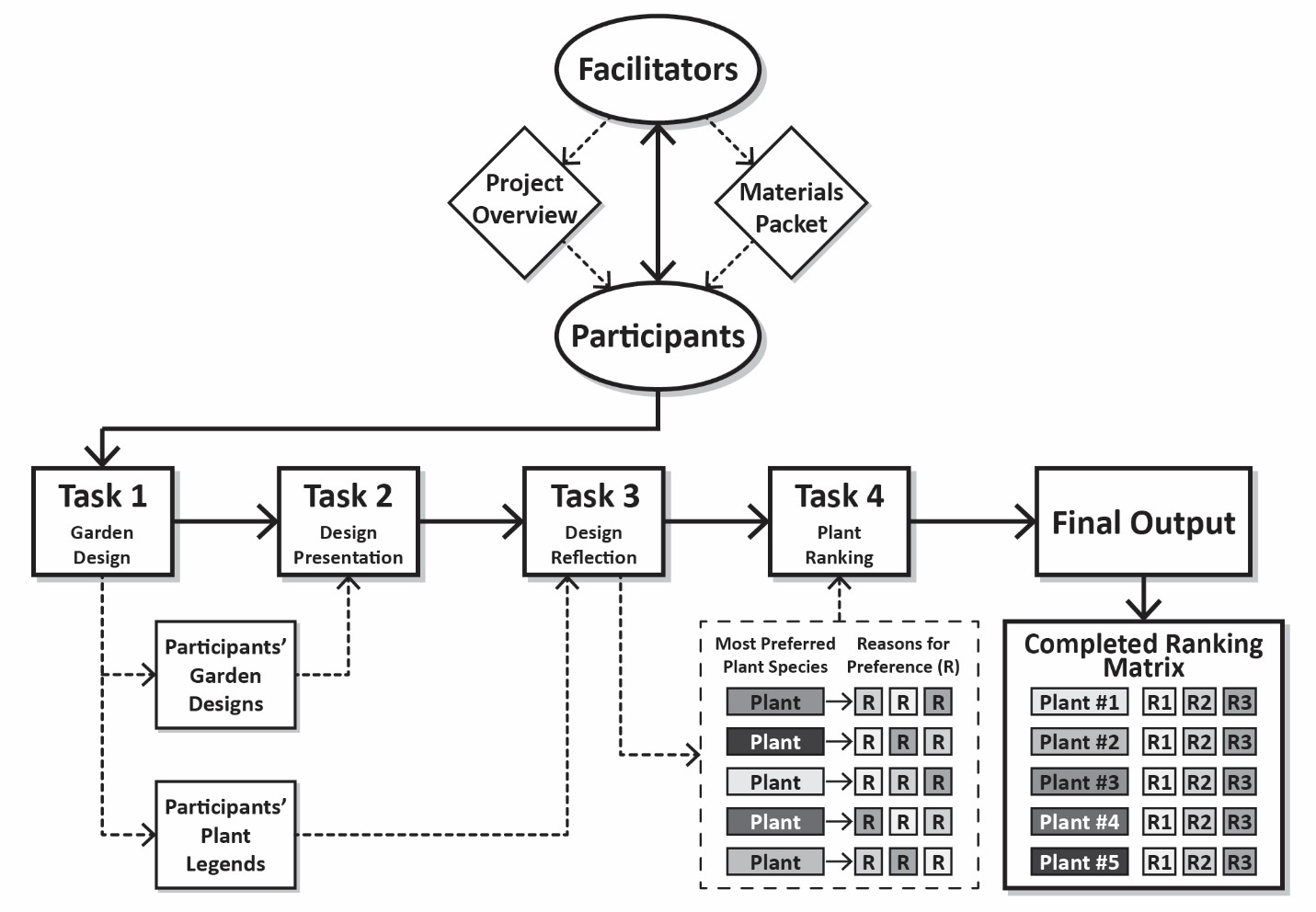
The Dream Garden Game was played by completing four tasks: (1) Garden Design, (2) Design Presentation, (3) Design Reflection, and (4) Plant Ranking (Figure 2).
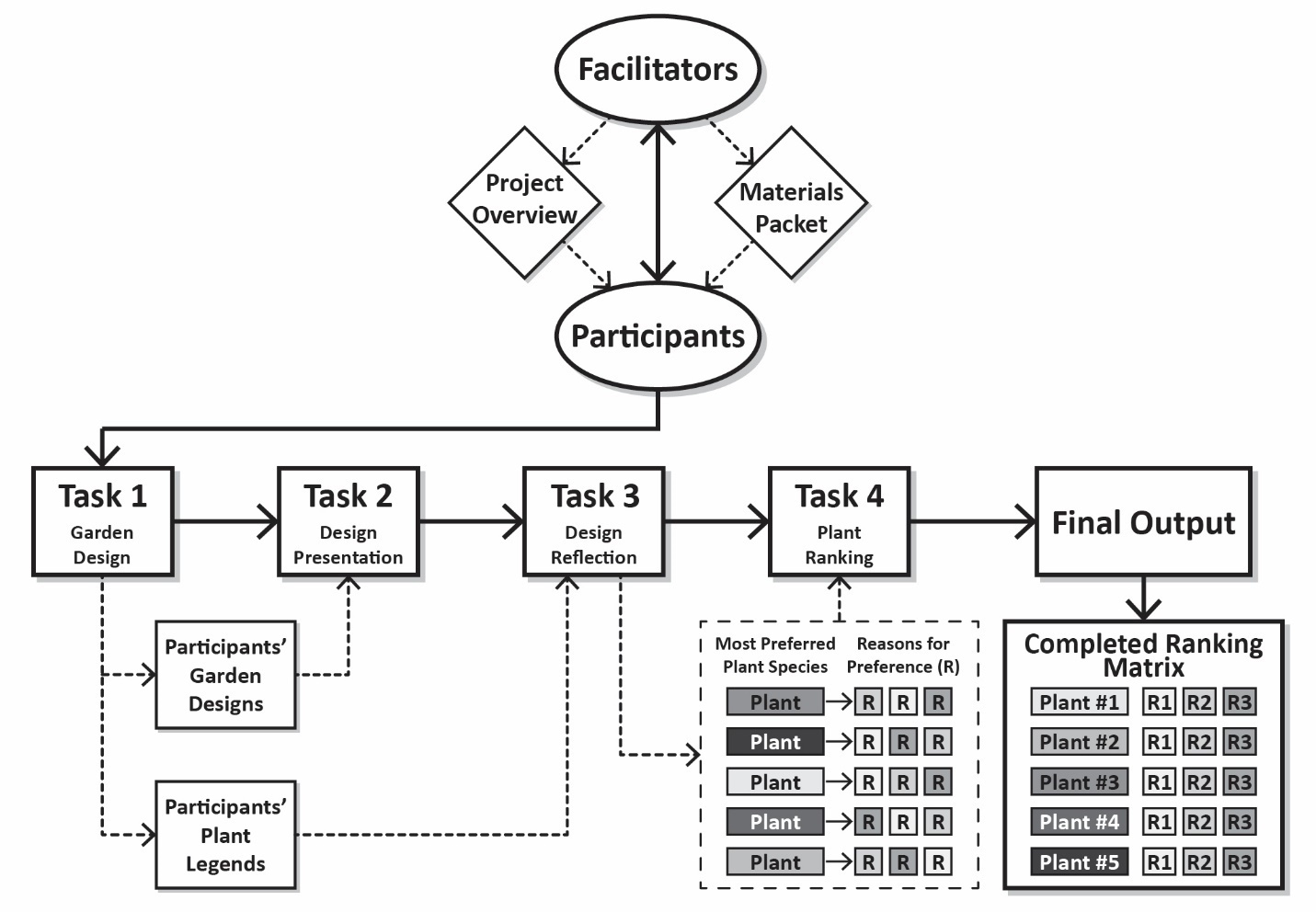
The concept for The Dream Garden Game aligns with the construction and management simulation (CMS) subgenre of the video gaming ecosystem. In simulation games, players build, expand, or manage fictional projects or communities, often with structured spatial or resource constraints (Jolly & Budke, 2023; Rollings & Adams, 2003; Wolf, 2001). This framework allowed participants to freely envision and create their dream gardens but without real-world constraints, other than space available, facilitating deeper insight into their plant preferences. In this way, limiting the influence of constraints was a deliberate methodological choice intended to elicit preferences based on socio-ecological values, desires, and meanings associated with plants rather than on the cost or maintenance-based trade-offs often modeled by other decision-support tools (Fox et al., 2022).
Additionally, drawing on Thiel et al. (2016), gameplay elements such as physical game pieces and game boards, time limits, working in groups, and sharing creative outputs, were incorporated into the activity to facilitate creativity, interaction, and engagement. These elements helped bring people together and supported a party-like atmosphere conducive to open and earnest participation. Furthermore, the open-ended, participant-driven nature of The Dream Garden Game allowed the study team to draw out perspectives on plant preferences without introducing leading questions or otherwise influencing participants’ plant choices or the ecosystem services they expected those plants to provide.
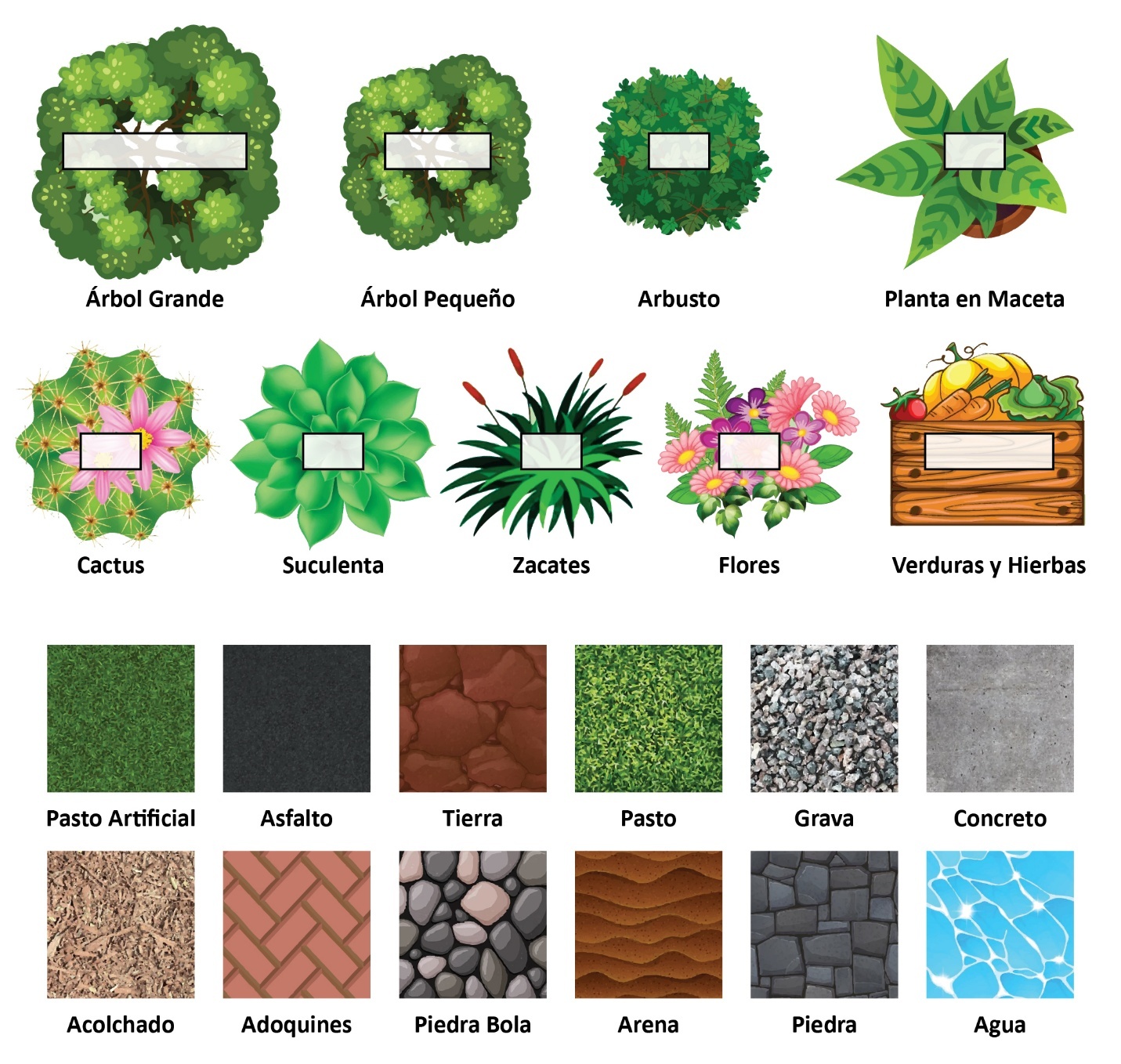
During game development, we created activity packets that each participant needed to complete the activity. Each packet contained an instruction manual, game pieces, and three game boards needed for different tasks. The instruction manuals outlined the four tasks of the game and provided details on the intended outcomes for each. The game pieces were illustrative symbols, printed on paper, depicting different types of plants and landscape materials, shown in a top-down view (Figure 3). The illustrative plant symbols were designed as flexible representational tools rather than one-to-one depictions of specific plant species. To this end, these game pieces represented broad categories of plants that participants could use to represent one or multiple species of their choosing. This allowed participants to select a wide range of plants without limiting their selections to a predefined species list.
The plant symbols provided were designed to represent two different-sized trees, shrubs, potted plants, cacti, succulents, grasses, flowers, and vegetables or herbs. These symbols were printed in color, on regular paper, and were scaled relative to each other—i.e., symbols for trees were larger than those for shrubs, which were larger than other types of plants. Additionally, each plant symbol included a blank space in the center where participants could write the name of the plant it represented. In cases where the symbol was too small to legibly write the plant’s name, participants could write a number corresponding to the name of the plant, which was recorded in the legend. The landscape materials symbols represented several types of organic or inorganic groundcovers (Figure 3). These symbols were given to participants as small pre-cut units or in larger sheets, which could be cut to any shape participants desired.
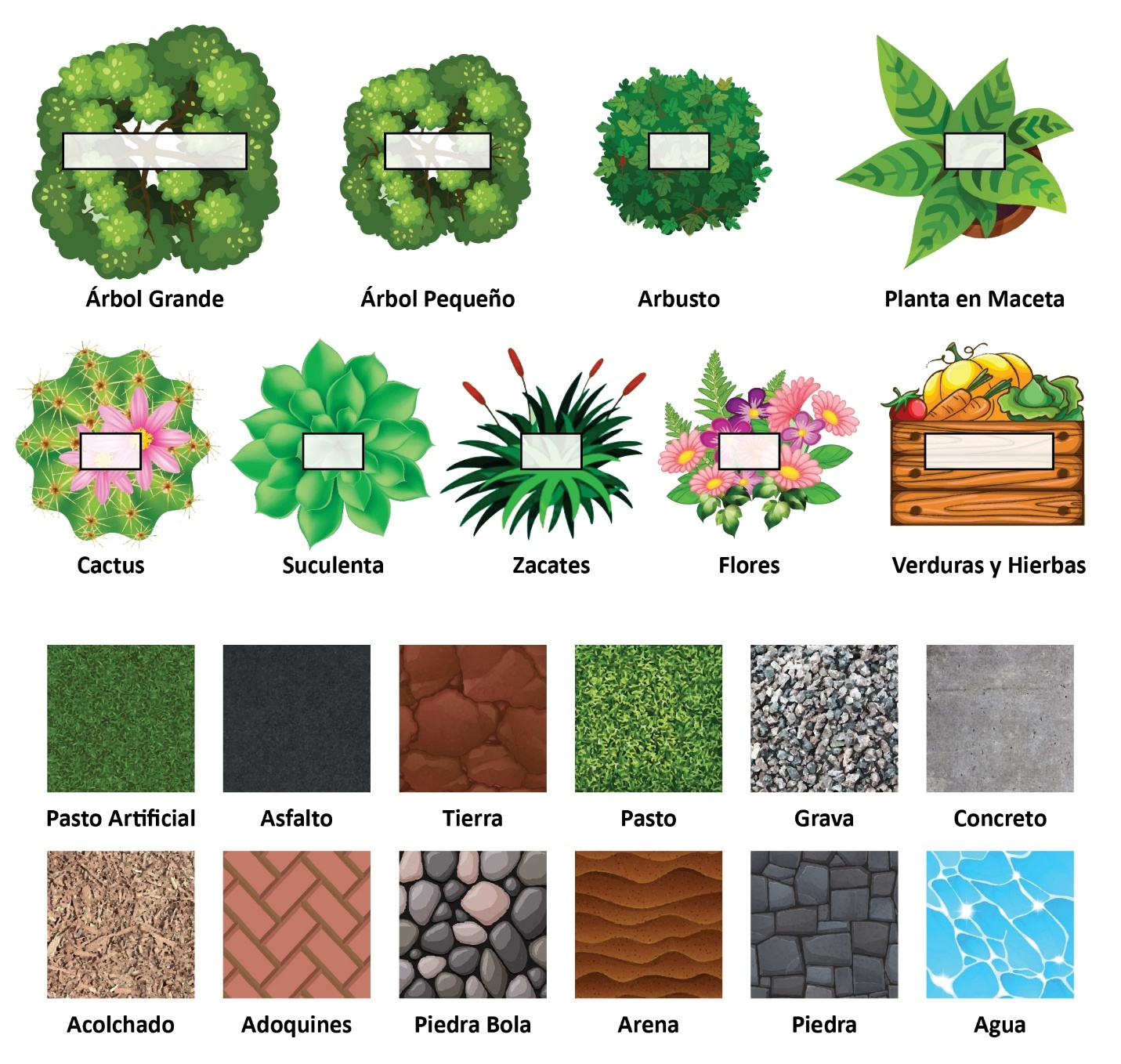
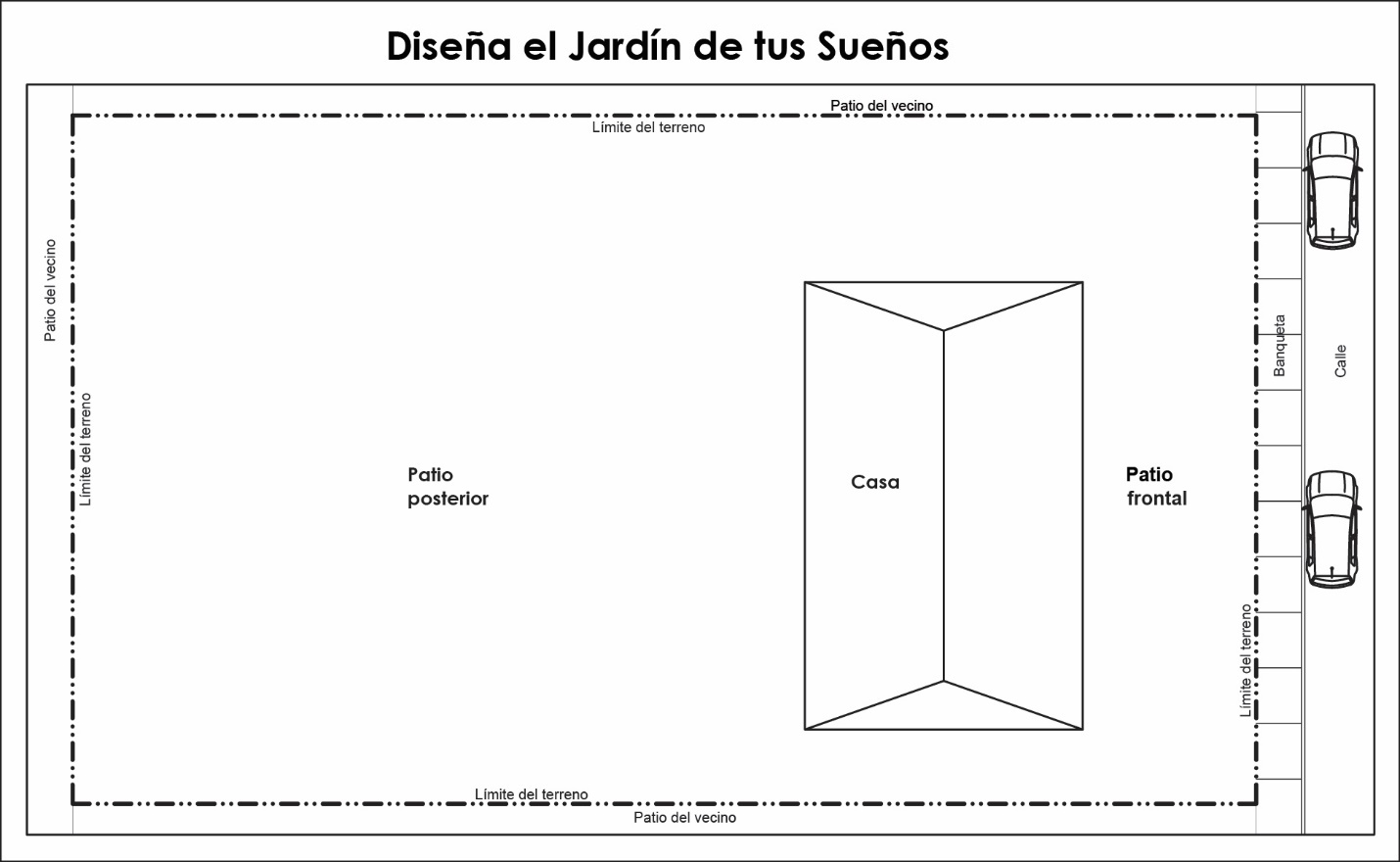
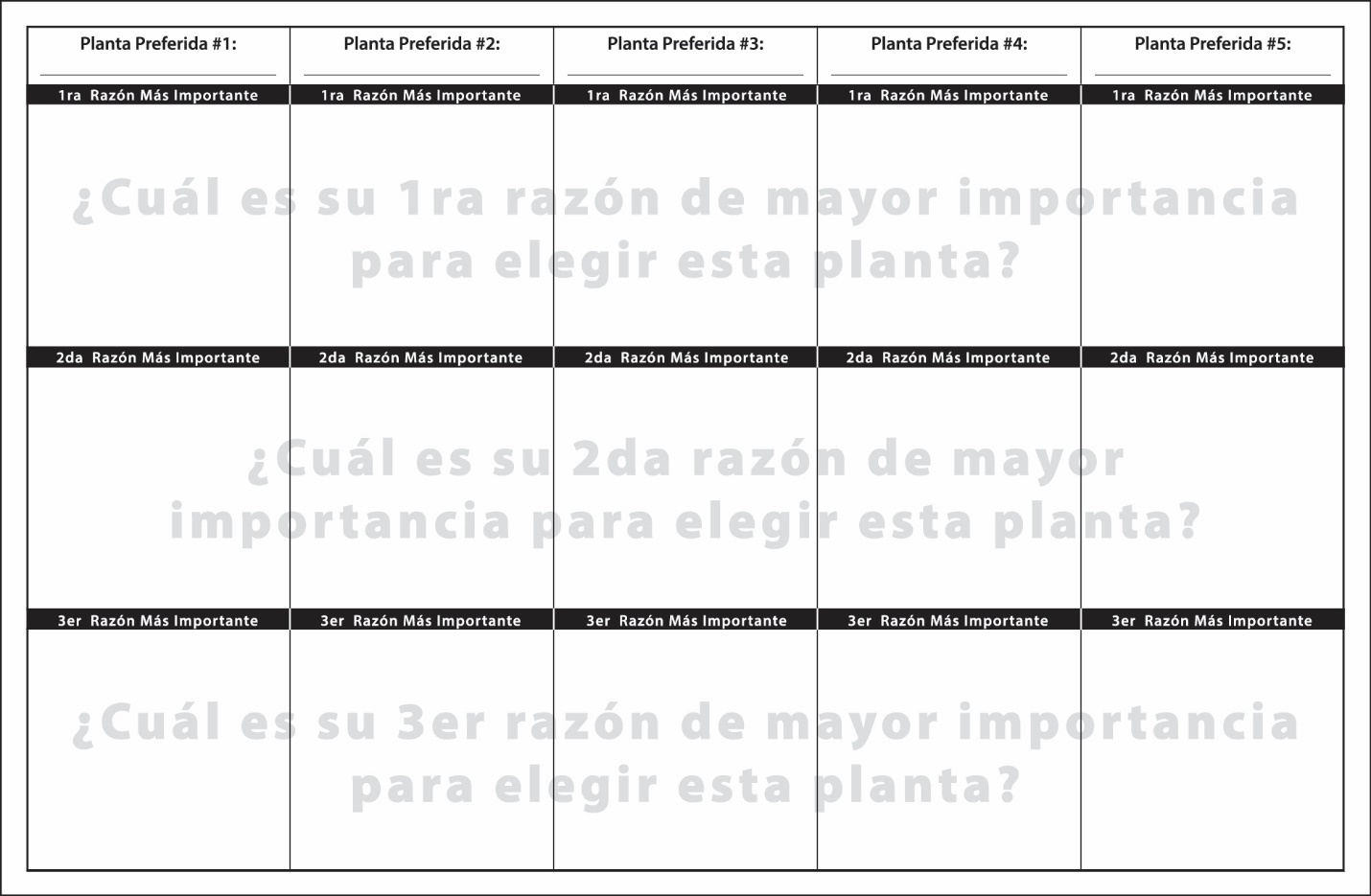
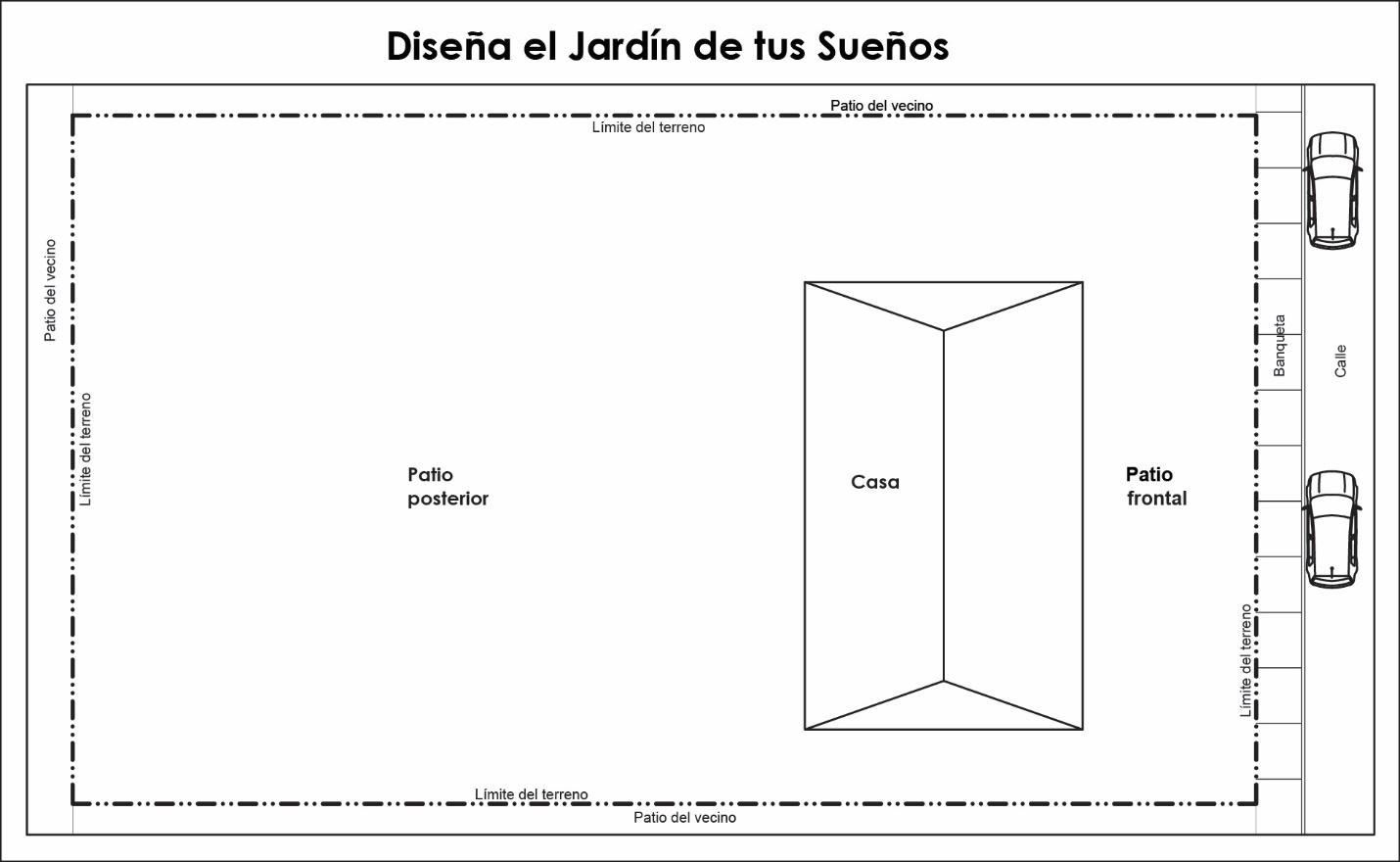
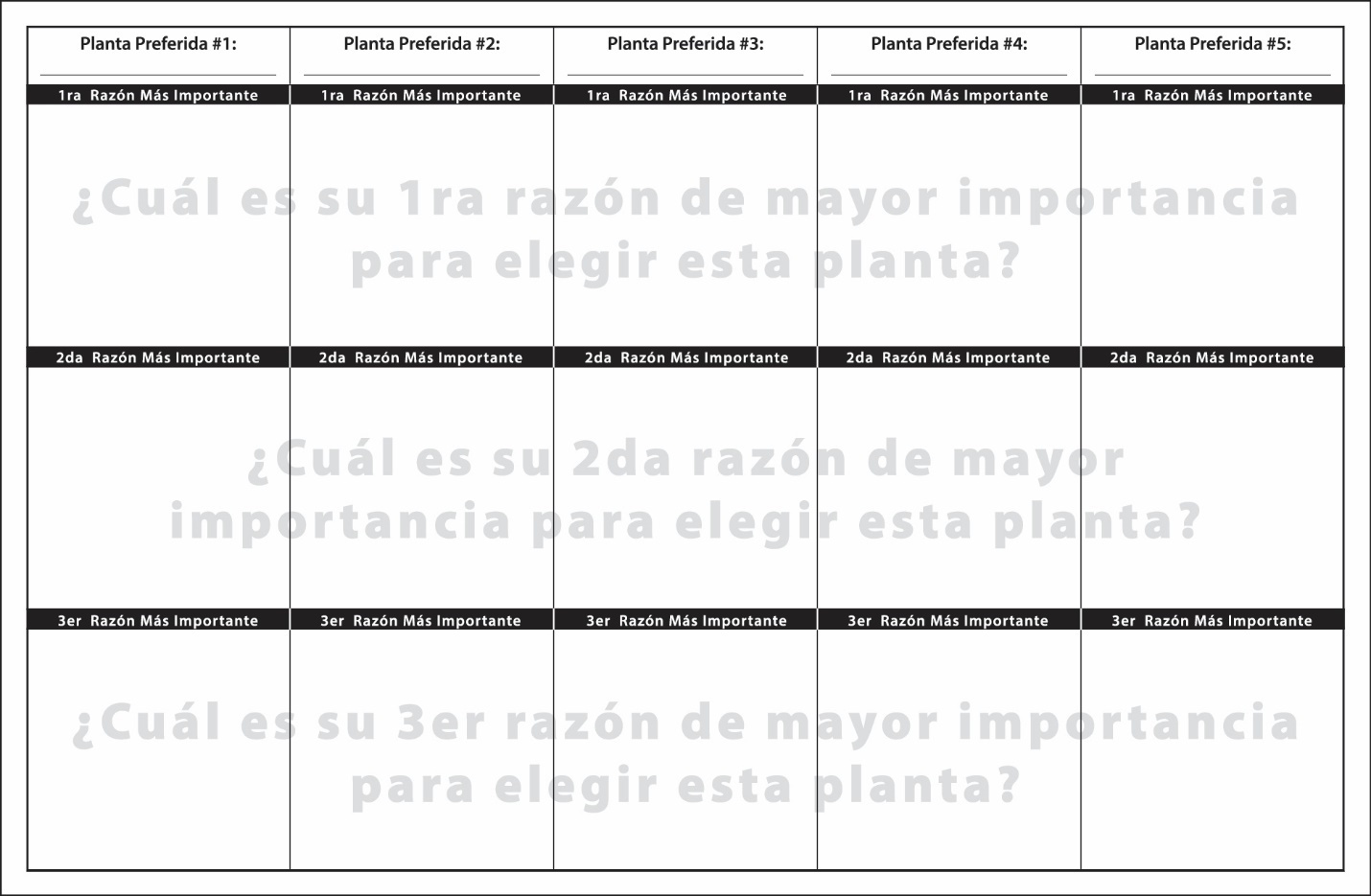
The three game boards included a site plan (Figure 4), a legend for identifying selected plant and landscape materials, and a matrix for ranking the most-preferred plants and the reasons for those preferences (Figure 5). The site plan and materials legend were used during the Garden Design and Design Reflection tasks, while the matrix was used during the Ranking Plant Preferences task. We also provided participants with tape, glue, scissors, and writing utensils needed to complete the game.
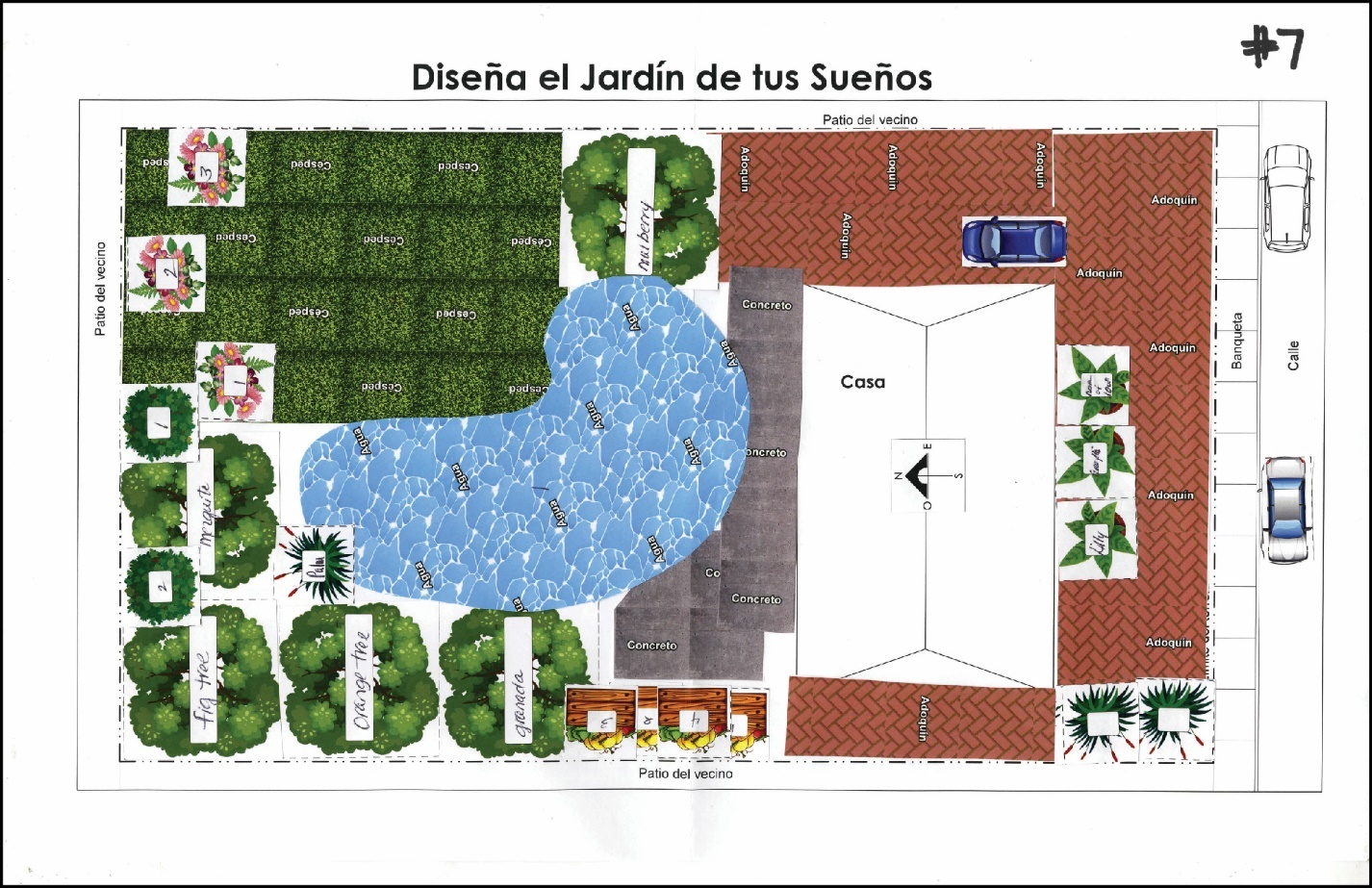
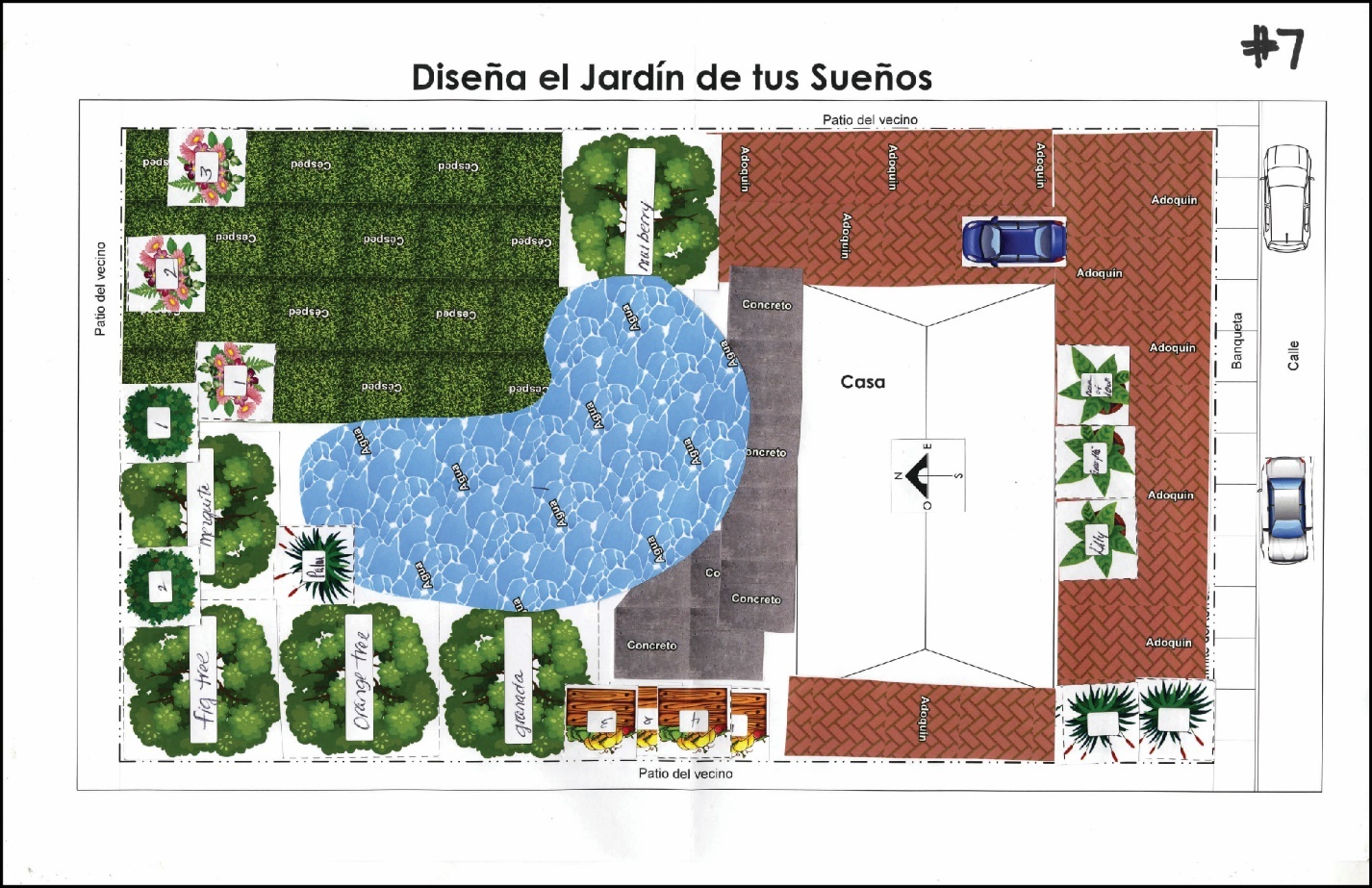
The site plan, printed on standard Tabloid (11" x 17") size paper, was the blank slate that participants used to create their dream gardens (Figure 4). The site plan was based on the typical dimensions and layout of residential parcels located in neighborhoods on Tucson’s south side, depicting a single-family home with a small front yard, side yards, and a large back yard. Contextual information, such as parcel boundaries, neighbors’ yards, a sidewalk in front, and a street with cars, was also included. Participants used tape or glue to attach plant and landscape material symbols to the site plan to create their dream gardens.
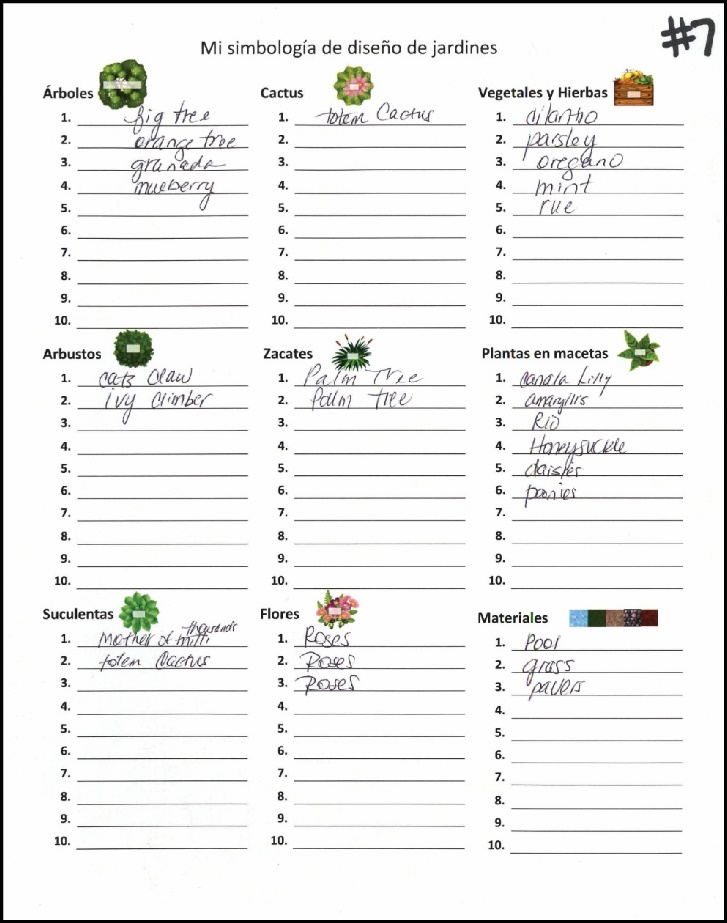
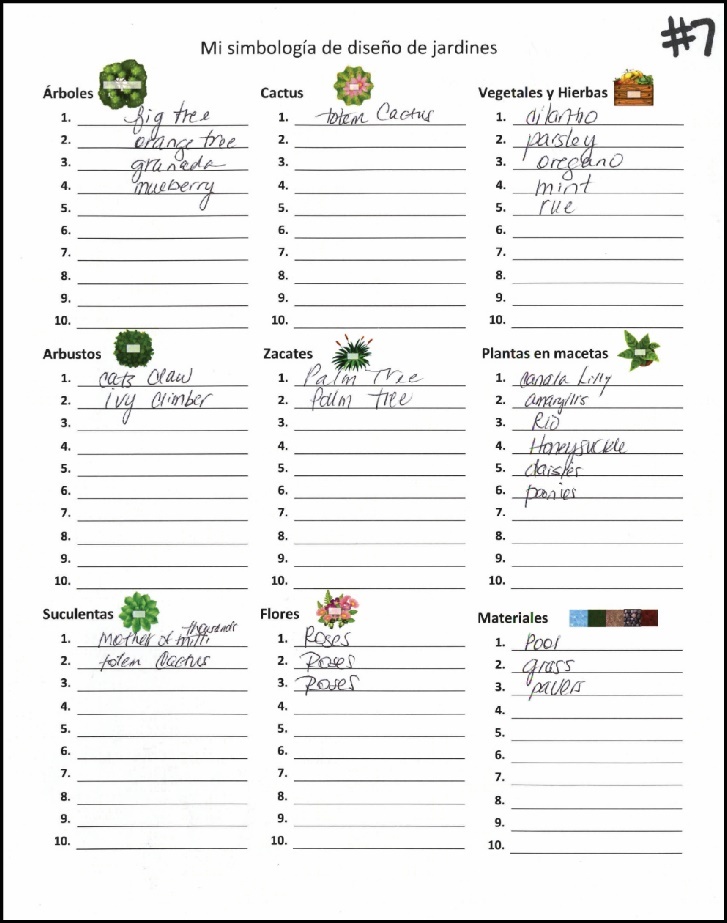
The plant and landscape materials legend, printed on standard Letter (8.5" x 11") size paper, was used to document the plants and other landscape materials that participants included in their garden designs. The legends were organized into categories for types of plants—i.e., trees, shrubs, potted plants, etc.—and included a category for groundcover materials. As participants created their garden designs by adding plant and groundcover symbols to the site plan, they recorded the names of the plants and types of groundcovers used in the blank spaces provided under each category on the legend.
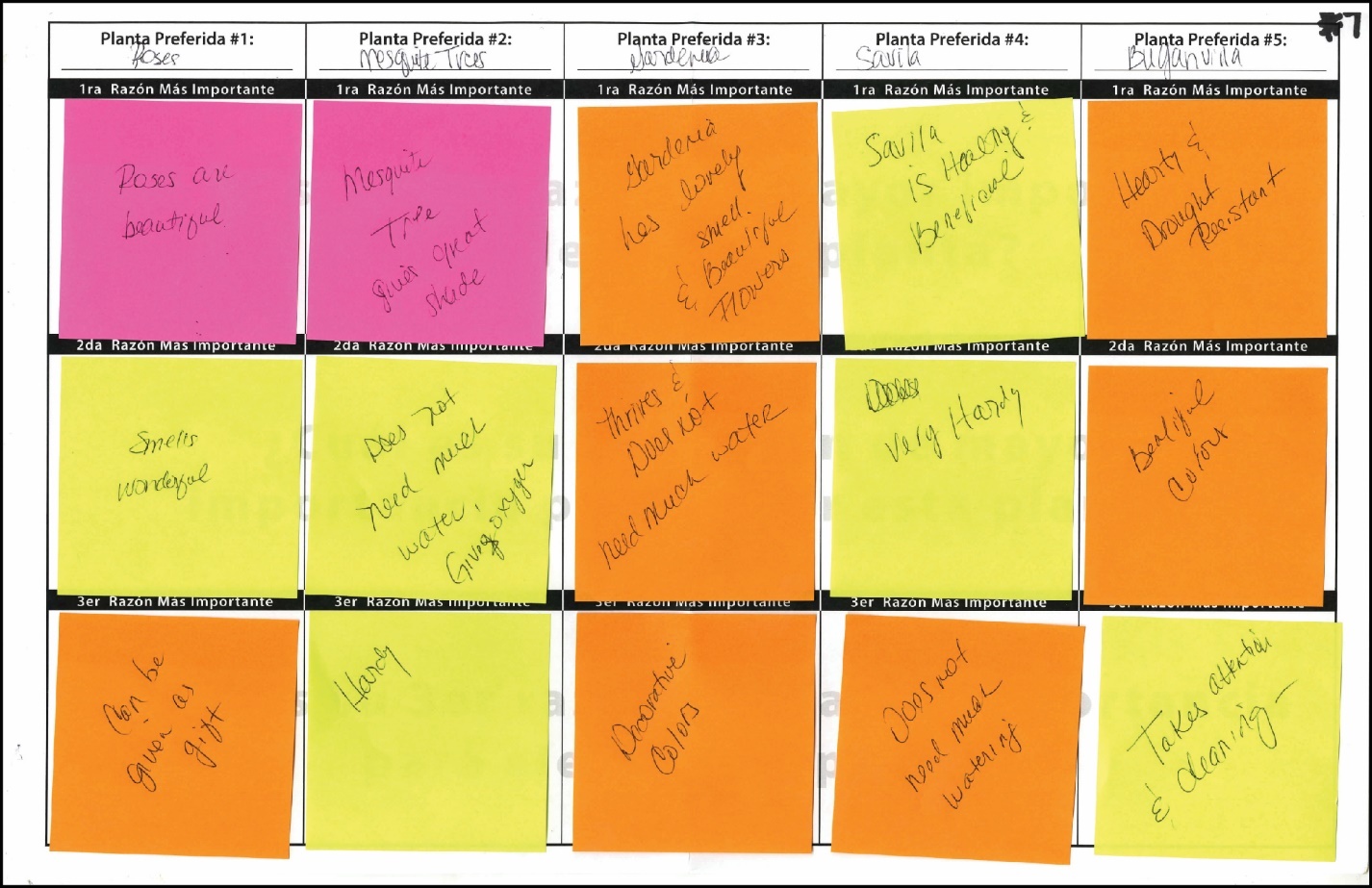
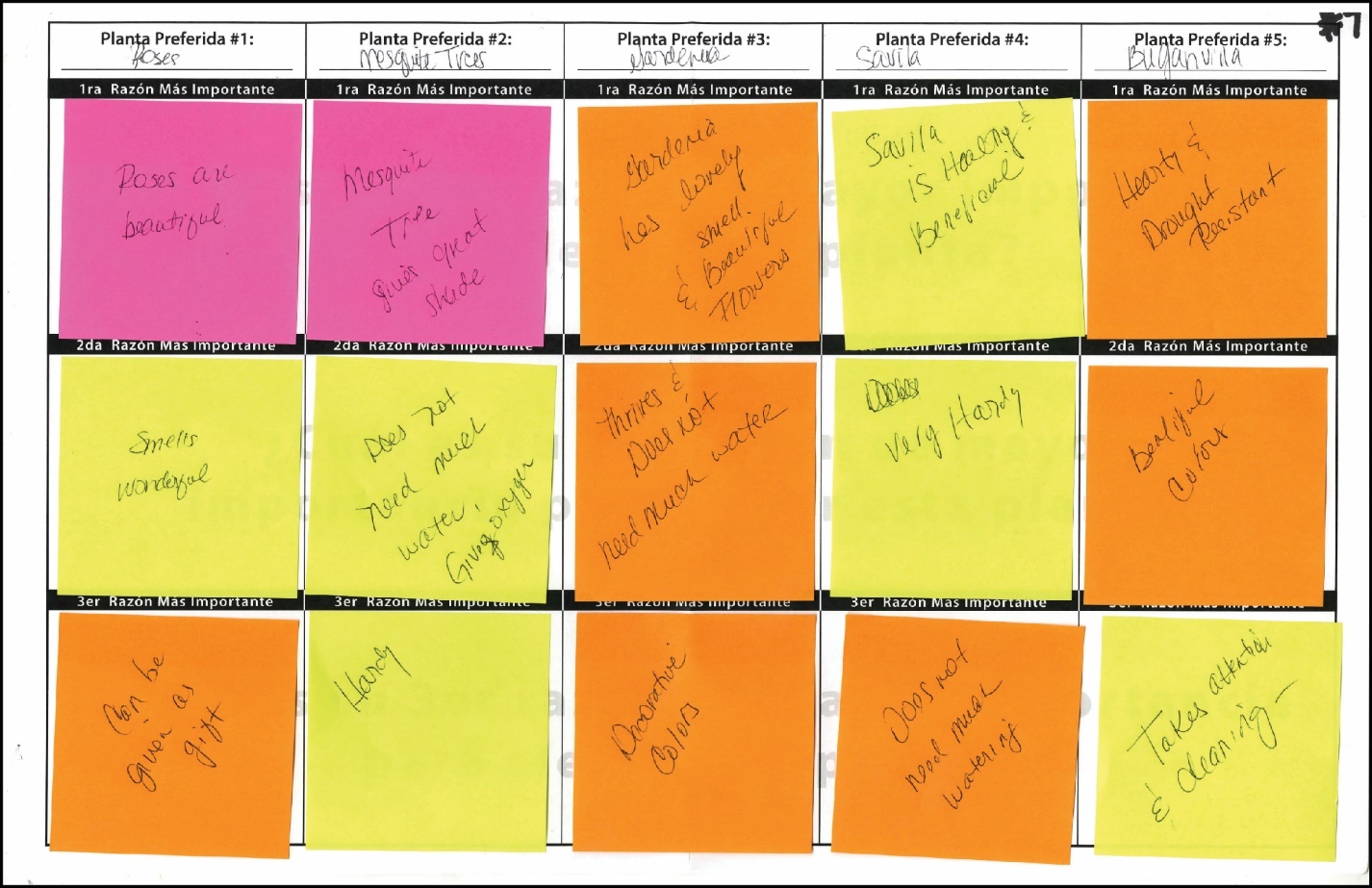
The ranking matrix, also printed on standard Tabloid size paper, was designed to help participants rank their most-preferred plants and the reasons why they prefer those plants. The matrix was divided into five columns, one for each of the five most-preferred plants identified by a given participant. Proceeding from left to right, participants recorded information for their first most-preferred plant in the first column and information for their fifth most-preferred plant in the fifth column. The matrix was also divided into four rows. The top row was used to record the name of each plant, and the lower three rows were used to record three reasons that the plant was preferred, in order of importance, from top to bottom.
To help participants select plants for their garden designs, hard copies of two plant catalogs were included in the activity packets. These catalogs contained images of plants and described the characteristics of each, such as the size of the plant at maturation, ideal sun exposure, and watering requirements. The first catalog, created by the study team, was based on SERI’s database of native Sonoran Desert plants in addition to non-native trees, shrubs, grasses, flowers, and vegetable garden varieties. In the workshops, during the Garden Design task, a slide presentation showing the plants included in the catalog was projected on a large screen at the front of the room.
A second catalog, titled Landscape Plants for the Arizona Desert and published by the Arizona Municipal Water Users Association (https://www.amwua.org/plants), contained native and non-native trees, shrubs, groundcovers, vines, cacti, succulents, grasses, perennials, and annuals. Only hard copies of this catalog were provided to participants. Participants were also encouraged to include other plants—i.e., those not identified in the catalogs but recalled from memory—in their designs.
Notably, participants were not explicitly provided with information regarding plant costs, maintenance requirements, or water use constraints, and were not asked to specifically consider these factors when selecting plants for their gardens. This approach supported the aim of identifying plant preferences based on the perceived socio-ecological benefits participants associated with the plants themselves, rather than on preferences informed by external, albeit potentially influential, constraints. Thus, the descriptive information about plants that was presented in the catalogs informed selection without overtly influencing decision-making based on cost, sustainability, or maintenance criteria.
As The Dream Garden Game was a new and untested method of data collection, we conducted a trial-run of the activity to ensure it effectively met the study objectives and that it was a reliable and replicable data collection mechanism. Additionally, we sought to understand whether the timing, instructions, and participant experience of the activity could be improved. To accomplish this, faculty on the study team recruited students to participate in a testing session, with some members of the team completing the game themselves. After the testing session, the team compiled observations and feedback from participants to revise the game play. Notable revisions included allotting more time for completing the Garden Design task, more clearly communicating the objectives and intended outcomes of each task, and extending the amount of time images from the plant catalog were displayed on screen.
The Dream Garden Game was both the public participation and data collection method used during the community workshops. Gamification strategies were used to encourage creativity and support deep reflection on the part of participants. Gamification was also intended to enhance interaction between participants and infuse energy and excitement into the public participation process. This approach expanded our data collection efforts beyond conventional methods, such as surveys or focus groups, and provided an accessible mechanism for participants to identify their most-preferred plants and to share the reasons driving those preferences. This step resulted in the development of The Dream Garden Game materials, including game boards, plant symbols, and ranking matrices, which were used to facilitate data collection during the workshops.
Step 4: Workshop Implementation. SERI led facilitation of the two community workshops. A total of 61 (n = 61) community members participated in the two workshops. Each workshop lasted two and a half hours, excluding the time needed for the study team to set up and clean up. The workshops were conducted as bilingual (Spanish and English) events, and participants were provided food and drinks, in addition to a $25 gift card to incentivize participation. Lessons learned from the process of planning and implementing bilingual workshops are presented in Radonic et al. (2025).
Upon arrival at the workshop venues, participants were greeted by members of the study team at welcome stations. At these stations, participants signed in, identified their preferred language[1], completed the informed consent process, and received a number to be used in lieu of their real names to maintain anonymity. Each participant was given a numbered activity packet that matched the number assigned to them at the welcome stations. Participants were then invited to mingle with each other and serve themselves drinks and food from a local Mexican restaurant. Sharing food allowed us to harness the benefits of commensality, including physical and mental well-being, sharing cultural values, establishing social norms, and building trusting relationships (Jönsson et al., 2021). Serving local food can also increase participation for minority community members (Gerlak & Zuniga-Teran, 2020). Participants were then instructed to form groups and to sit around large tables. At least one bilingual study team member was assigned to each table to assist participants, while the other facilitators roamed the room and were available to assist when needed. Table 3 summarizes the four tasks of The Dream Garden Game.
The workshops formally started with a project and agenda overview, which included a short slide presentation describing the intent of both the research project and the workshop, The Dream Garden Game, and the contents of the activity packets. Examples of outputs from the game, produced during activity development and testing, were also shown to participants to demonstrate the expected outcomes of each task of the game.
Beginning with the Garden Design task, we asked participants to design their dream residential garden. The designs were created by gluing or taping plant and landscape material symbols onto the blank site plans provided in the activity packet (Figure 6). Participants documented which plant species they included in their garden designs by first writing the species’ common name (or a number representing the name) on the plant symbols. They then recorded the name assigned to each plant symbol using the plant and landscape materials legend (Figure 7).
In the first workshop, participants were given approximately 30 minutes to complete their garden designs. In the second workshop we increased the time for garden design to 45 minutes as participants had asked for more time to complete this task during the first workshop.
After completing their garden designs, we moved on to the second task, Design Presentation. Participants shared their designs with their groups and took turns describing the types of plants they included in their dream gardens and explaining why they chose them. This step lasted approximately twenty minutes and helped participants begin to think about and articulate why they included certain plants in their garden designs.
During Design Presentation, facilitators used audio recording devices to document participants describing their designs. To maintain anonymity, participants identified themselves in the recordings using only the number assigned to them at the welcome stations. Recordings of design descriptions were later analyzed to identify trends in the reasons why participants selected certain plants (see Zuniga-Teran et al., 2025).
The third task, Design Reflection, was completed after a short break and in two parts. First, we asked participants to reflect on their designs and select five plants they considered the most important among all the plants included. Participants then highlighted the names of these plants on their plant and landscape material legends. Next, we asked participants to write down the reasons why they identified those five plants as the most important. Participants were asked to provide a minimum of three reasons for each plant, recording each reason on its own sticky note.
Importantly, during Design Reflection, participants were instructed to select plants they preferred most and to identify the reasons why before the ranking matrix was used. This separated the process of selecting preferred plants and identifying the reasons for their selection from the process of assigning levels of importance to each plant and the reasons given. Thus, during Design Reflection, participants spent more time thinking about why they preferred certain plants over others than thinking about which of their five most important plants they preferred most, which was done in the final task.
The game ended with the final task, Plant Ranking, which was also completed in two parts. First, participants used the ranking matrix to identify the order of preference (from most-preferred to least-preferred) for each of their five most important plants. Participants wrote the names of the five most-preferred plants at the top of each column in the matrix, with the most-preferred plant in the far-left column and the least-preferred plant in the far-right column. Participants were then instructed to review the reasons they gave for choosing their five most important plants and to rank each reason from first-most-important reason (top) to third-most-important reason (bottom). Thus, a complete matrix identified the five most important plants (in order of preference) and three reasons why each of those plants were selected (in order of importance) (Figure 8). At the end of this task, facilitators audio-recorded participants describing their completed matrices. Ultimately, this step produced three primary outcomes: (1) completion of garden designs, (2) participant narratives captured through audio recordings, and (3) ranked plant preference matrices, which formed the basis for subsequent analysis.
Next, we describe how data collected from the workshops were analyzed to inform future greening policies. Additionally, we offer comments on the usefulness of reflecting on and evaluating integrated engagement methodologies, such as ours, to support public participation in urban greening policymaking and efforts.
Step 5: Data Analysis. Data collected via The Dream Garden Game was analyzed using a mixed-methods approach. Analysis of quantitative data consisted of a count of preferred plants by plant type (fruit trees, non-fruit trees, shrubs, cacti, etc.) and species (e.g., mesquite, rose, lemon, bougainvillea, tomato, etc.) from the ranking matrices, as well as a calculation of the percent of ground cover materials relative to the total landscape area for each of the 61 garden designs created during the workshops.
Analysis of qualitative data consisted of content analysis of the transcripts from the audio recordings using Microsoft Word and Excel. Spanish language transcripts were translated into English prior to content analysis. This process identified themes and subthemes used to identify expected ecosystem services from plant selection. Importantly, the plant preference data collected using The Dream Garden Game method reflects participants’ desired greening benefits and associated ecosystem services as identified under unconstrained conditions, not necessarily as direct indicators of plant preferences based on cost, water use, or maintenance constraints.
Insights from this study were used to better align top-down urban greening programs with the needs and desires of underserved communities and increase their participation in greening programs (see Zuniga-Teran, Brown, et al., 2025). Overall, this step resulted in quantitative summaries of plant preferences and qualitative themes related to ecosystem service values.
Although outside the scope of this article, we document the data analysis methods, report the findings, and discuss the implications of the data that our methodology was employed to collect in Zuniga-Teran, Kokroko, et al. (2025) and offer lessons learned from the bilingual engagement approach in Radonic et al. (2025).
Step 6: Evaluation and Reflection. Evaluating and reflecting on the application of community engagement exercises is critical to understanding whether engagement outcomes are useful for researchers, practitioners, and policymakers or provide benefits for participants. Importantly, evaluative and reflective processes should include perspectives from both participants and researchers to holistically assess the efficacy of new methods used to inform decision-making in urban greening or other environmental and planning programs (Head, 2007; Rowe & Frewer, 2004). Participant feedback can be collected via post-engagement surveys or focus groups and assessed using performance metrics. This allows for the systematic and objective evaluation of the efficacy or validity of new community engagement methods (Bobbio, 2019; Rowe & Frewer, 2000).
Accordingly, our claims regarding participation, engagement, and inclusivity are based on facilitator observations and reflective analysis rather than systematically measured outcomes. Therefore, we provide a detailed reflection on our experiences applying the method and offer comments on the perceived efficacy of the methodology in the following section. In this way, this article both documents the application of our methodological approach and serves as an evaluation of the method using a reflective process (Finlay, 2002). Future applications of our method could integrate systematic evaluation in the post-engagement phase to better understand participants’ experiences and to improve the approach.
Reflections
A key strength of our methodology appears to stem from its co-design by an interdisciplinary team, including university researchers and community partners who serve as trusted intermediaries with strong connections to Tucson’s lower-income Hispanic community. Community partners led participant recruitment, inviting individuals that they knew had an interest in gardening or horticulture, or who had been involved in other urban greening efforts. Conversations during and after the workshop indicated that participants enjoyed having a shared space to think about their gardens; for many, the activity presented a way to plan changes and improvements to their own property. The workshops were also a space for social interaction where participants shared recipes for food and healing products made from the selected plants. They also reflected on their hometowns and childhood memories related to the plants they included in their garden designs. Many participants did not want to stop working on their designs even after the allotted time ended and many were excited to take home an image of their Dream Garden. These experiences suggest that the game appeared to engage participants throughout the process and helped surface nuanced drivers of plant preferences.
As a research method, The Dream Garden Game demonstrated several strengths in practice. Most workshop participants were able to successfully complete all four tasks of The Dream Garden Game. The site plans and ranking matrices created by participants offered valid qualitative and quantitative data on residents’ plant preferences and the associated ecosystem services they most valued. In total, we identified the top 20 plant species preferred by participants, data that can be used to inform local plant donation campaigns and other greening programs. The data analyzed and presented in Zuniga-Teran, Kokroko, et al. (2025) align with previous studies showing a strong public preference for non-native, medium- and high-water-use fruit-bearing trees in both public and residential landscapes (Blanchette et al., 2021; Russo et al., 2025). These results provide institutional actors with more detailed information about what members of the participating communities want from urban greening, and thus, can support more informed and inclusive urban greening decision-making and policy development.
Despite the overall perceived strengths, there were challenges associated with the design and implementation of the method. Most notably, the design of The Dream Garden Game and the preparation of the necessary materials were time- and labor-intensive processes. The development of the method required significant prior knowledge of local gardening and landscaping practices, in addition to expertise or research on best practices for community engagement. To this end, our multidisciplinary team was strategically composed of individuals possessing the disciplinary expertise needed to ensure that such knowledge was appropriately integrated into the design and application of the method. However, this also required significant coordination and numerous group discussions to effectively integrate these perspectives into the method and ensure successful collaboration between team members toward a shared goal.
Additionally, playing The Dream Garden Game required participants to have at least some knowledge of plants and of local gardening or landscaping practices. While many participants possessed varying degrees of familiarity with these concepts, not all did. Our team mitigated this challenge by assembling the plant catalogs that included native plant species, as well as non-native plants commonly seen in Hispanic homes across Tucson. Copies of this handbook were given to participants to review for inspiration as they created their dream gardens. While the creation of the plant catalog proved valuable for assisting participants to complete the game, it also required significant time and labor on the part of the study team.
Furthermore, our team designed or adapted, refined, printed, and prepared all the materials included in The Dream Garden Game. This included painstakingly cutting out the symbols representing different types of vegetation and groundcover materials. The amount of time, labor, and coordination that went into the design and preparation of these materials cannot be understated and should not be underestimated. To this end, though engagement-based data collection methods and strategies should be shaped by the unique contexts in which they are employed, we recommend that researchers and practitioners consider developing materials that can be reused in, or adapted for, multiple contexts to ease such burdens.
Another significant challenge was the need for a high facilitator-to-participant ratio to effectively implement the method. During the workshop planning process, we decided to seat participants in small groups at large tables to nurture inclusive and meaningful discussions. During game development, we initially planned to have one facilitator at the front of the room simultaneously guiding all the groups through the game’s tasks. However, through the testing process, we quickly recognized that because The Dream Garden Game required participants to handle so many different materials—i.e., the site plan, vegetation and landscape materials symbols, and game boards—we needed to pivot from the planned approach. Thus, we decided to assign one facilitator per table of 4-6 participants to guide participants through the activity, with several roving facilitators ready to assist, as needed. Ultimately, our large study team, including eight people who were bilingual in English and Spanish, proved crucial for executing this adjustment. In future applications of The Dream Garden Game, study teams should ensure that an adequate number of facilitators are available to effectively employ the method.
A third challenge was associated with the literacy level of participants. As initially designed, The Dream Garden Game required participants to read and follow relatively complex instructions, and to record information on two different game boards. We learned that this was a limiting factor for people with lower levels of formal education and literacy. By having a large team of facilitators on site, we were able to identify this issue promptly and address it with care and respect. As some people struggled to complete their plant and landscape materials legends and ranking matrices, facilitators stepped in to assist with these tasks. This was welcomed by many participants, allowing them to engage in game tasks or with other participants more fully, and did not have the effect of singling people out. While the small group sizes and our high facilitator-to-participant ratio allowed us to address this limitation, it provided an important lesson. When applying new and interactive strategies to the design of community engagement methods, researchers should be mindful of unintentionally excluding differently abled segments of the population and should strive to maintain accessibility.
In addition to identifying strengths and challenges, reflecting on the use of our method offers valuable insights into how gamification and playful design can support inclusive public participation. It has been well documented that it is challenging to engage lower-income minority communities in policymaking (Gerlak & Zuniga-Teran, 2020; Heckert & Rosan, 2016; Petts, 2008). These communities are oftentimes burdened with multiple jobs, childcare or eldercare, and other responsibilities, which make attending engagement activities unrealistic. In addition, some residents who live in apartment complexes may not be interested in participating in greening-related engagement activities because it is difficult or not possible to collectively decide what is planted in common areas. Such consensus-based processes would require additional resources and coordination, which may be challenging for disadvantaged groups as lower-income communities are less likely to have the time or active neighborhood associations that can facilitate engagement (Heckert & Rosan, 2016).
Land tenure also plays a role in the efficacy of engagement focused on urban greening. For renters, participating in engagement activities for home improvement efforts may not be a good use of their time because they are not the decision-makers for the properties they inhabit (Zuniga-Teran & Gerlak, 2019). Nevertheless, the plant preferences of these communities are important as they serve as caretakers of their yards and use or benefit from private and public greening. Therefore, it is critical to empower the voices of these communities and, importantly, to reflect them in decision-making processes. The Dream Garden Game offers such an opportunity by actively engaging participants in visioning processes that are not limited by land tenure.
By transcending constraints such as land tenure, and cost or maintenance considerations, The Dream Garden Game provides insight into aspirational values and socio-ecologically driven preferences that often remain latent in conventional, trade-off-based decision-support tools or engagement processes. While not explicitly grounded in real-world constraint-based decision-making processes, such preferences are highly relevant for policymaking as they can contribute diversity to the perspectives that inform the development of greening programs that are better aligned with community values. By eliciting the nuances driving plant preferences, our method complements other tools focused on identifying preferences based on feasibility, trade-offs, or implementation constraints. Together, these approaches can support more inclusive and responsive urban greening policymaking.
Drawing on these reflections, we suggest that integrating gamification and playful design into community engagement methods shows promise as an effective means of including lower-income minority communities in public participation efforts concerning urban greening. Gamified approaches offer alternative scenarios to the current living conditions of participants, moving beyond barriers to participation for renters and people sharing open space. Furthermore, by using playful design to create an engagement activity that only requires imagination and guidance, participants can dream of the yard they want to have and care for someday while providing valuable input for greening programs intended to serve their communities. However, this hybrid model may be most attractive to participants when people they know from their communities also participate, since, in many ways, through gamification and playful design the public participation becomes a social event.
Finally, our experience and observations suggest that when public participation events are combined with local food and economic compensation for participants’ time, it can attract more people as engagement activities often compete with other uses of people’s time and energy—e.g., preparing meals, time at home, caring for dependents. Thus, welcoming children and elderly family members can increase participation, as we observed in our workshops. In sum, our reflections suggest that gamification and playful design can be combined to create an effective engagement tool for enhancing inclusivity in urban planning processes and producing more equitable outcomes.
Conclusion
As cities continue to embark on new greening efforts, it is critical to hear and respond to the voices of underserved communities. In this study, we aimed to engage lower-income Hispanic communities of Tucson to understand their plant preferences and expected ecosystem services. To achieve this goal, we created an interactive engagement activity called The Dream Garden Game, which integrated design, discussion, reflection, and ranking elements in a playful, low-pressure environment. This model appeared to facilitate participants’ discussions about greening preferences for their homes and in their neighborhoods.
It is critical to have inclusive processes in policymaking, not only for greening programs but for all types of policies, and community engagement has been identified as a key strategy to support inclusive processes. However, disadvantaged groups are less likely to participate in engagement activities. Through our work, we found that integrating gamification and playful design offers promise as an effective strategy for meaningfully including such groups. This hybrid method—i.e., combining task-based progression toward a goal, symbolic game pieces, and ranking matrices with open-ended, imaginative, and expressive activities—successfully encouraged participants to reflect on the reasons underlying their plant preferences and to share nuanced perspectives on the role plants play in their lives. Furthermore, combining our hybrid approach with local food and compensation resulted in broad participation and the enjoyment of the activity on the part of participants, in addition to the collection of useful data for the study team.
Future research could focus on improving the hybridized use of gamification and playful design to foster broader participation and elicit more nuanced community perspectives. Gamified and play-based features could include dashboards with real-time data that showcase the impacts of collective decisions on factors associated with participant input. For example, for plant selection, dashboards could display the impacts of collective plant selection on neighborhood-level heat, flooding risk, water use, or other environmental considerations. This instant and collective feedback can also serve as an educational tool to raise awareness of how individual decisions impact overall ecosystem health and urban resilience. Such outputs have the potential to inform policymaking and enhance urban planning approaches, making them more inclusive, equitable, and meaningful for participants. Additionally, while we identify the strengths and challenges of our method, more research is needed to evaluate engagement activities to continue developing effective approaches for enhancing participants’ interest and willingness to share their knowledge, expertise, desires, and needs, particularly those who are the most vulnerable.
Overall, our approach draws on principles of gamification and playful design to enhance public involvement in decision-making processes. We included a variety of visual components and opportunities for social interaction between participants to enhance collective learning, build trust, and solve local problems. By outlining and reflecting on our methodology, we provide guidance that can be applied or adapted by decision-makers, urban planners, researchers, and other practitioners for their own decision-making purposes and can be used in other urban planning contexts.
Most participants (67%) identified Spanish as their preferred language, though some were more fluent in English and preferred to express complex ideas in English or Spanglish (the conversational combination of Spanish and English). Accordingly, both workshops were primarily conducted in Spanish with facilitators providing support in English as needed.