
Introduction
In response to the call for this special issue, which emphasises innovative, creative and effective uses of the arts in participatory and community-engaged research, this article highlights collaboration between researchers and Early Childhood Care and Education (ECCE) practitioners. Using arts-based methods throughout three cycles of participatory action research (PAR), we worked together to identify sustainable strategies for enhancing practitioner wellbeing. PAR rooted in a transformative paradigm requires collaboration with those affected by the issue (Doucet et al., 2022). This collaborative need emerged from prior research we conducted with practitioners in a rural community in the North West province of South Africa (Thakalekoala, 2025). While arts-based methods offer many advantages, such as enabling participants to reveal insights that may be difficult to express verbally (Culshaw, 2019), we remained mindful of potential limitations related to researcher judgement, credibility and quality, as emphasised by Morris and Paris (2022).
One key outcome of that study was the establishment of a community of practice, or ECCE hub, designed to foster mutual support and ongoing learning and development. When the participants in the previous study decided to initiate the Rekopantswe ECCE hub, they requested us to come and ‘do some workshops’ to improve practitioner wellbeing. We hypothesised that efforts to improve wellbeing would only be effective if sustained, and therefore integrating this focus into the evolving mission, vision and activities of the hub was essential for ongoing practitioner development (Wood & Esterhuizen, 2024). To guide our PAR approach (Jacobs, 2018), we employed the participatory Future Creating Workshop framework (Raider-Roth et al., 2022) and used arts-based methods to facilitate meaningful engagement. Our guiding research question was "How can participatory methods improve and sustain the wellbeing of ECCE practitioners working in resource scarce contexts?"
The majority of the circa 165 000 ECCE practitioners in South Africa operate in resource-constrained environments (Department of Basic Education (DBE), 2022). Although they provide much needed services, the partial subsidy they receive from government is only enough to cover around a quarter of their operational costs (DBE, 2022). Most of these early learning programmes (ELP) are situated in economically disadvantaged communities, which limits their ability to supplement funding through caregiver fees. As a result, most practitioners earn below the minimum wage. The Thrive by Five Index underscores how children in lower-fee centres are most vulnerable, a reality mirrored in this study where practitioners consistently reported the financial pressures of operating in under-resourced communities (Giese et al., 2025). In addition, less than half of all practitioners have a relevant qualification (DBE, 2022) which means they are not conferred the same status as teachers in the eyes of the public. It is not surprising therefore that practitioner wellbeing would be low. Low practitioner wellbeing has a knock-on effect for the children, since it has been shown to be correlated with low child learning and development (Stein et al., 2024). When a practitioner experiences stress or burnout, their emotionally availability to the child often diminishes (Nalipay et al., 2024), which can compromise the quality of interactions, leading to inadequate stimulation for the child’s cognitive, social, emotional and language development. The Index demonstrates that less than half of children in ELPs are developmentally on track, with outcomes closely tied to the quality of practitioner support and centre resources (Giese et al., 2025). This reinforces our finding that practitioner wellbeing is a critical factor in sustaining child learning outcomes in resources-constrained context. Therefore, prioritising practitioner wellbeing is not only essential for supporting young children but also serves as a critical investment in the social and economic sustainability of the country (Buain & Pholphirul, 2022).
The article is structured as follows: First we discuss the eclectic theoretical framework that supports our argument of how an ECCE hub can create a space for sustained collaboration and wellbeing, then we explain in detail how we employed the participatory methods within a PAR design. We then present visual and textual evidence of how the participatory methods enabled practitioners to identify their wellbeing needs and create plans to address them in a sustainable way.
Theoretical framework
PAR was used as a collaborative approach where participants examined their lived experiences by applying Hochschild’s theory (1979) of emotional labour while identifying coping strengths explained by the resilience theory (Ungar, 2021). The PERMA model then provided a wellbeing framework to guide actions and interventions that build positive emotion, engagement, relationships, meaning and accomplishment (See Table 1). We decided on an eclectic choice of theories that we found useful in explaining the development of practitioner wellbeing. Resilience theory as developed by Ungar (2021) explains how people can flourish in adverse contexts through protective factors such as supportive relationships, developing a positive sense of identify and a collective sense of purpose. In PAR the resilience theory is relevant because it emphasises the collaborative processes that strengthen supportive relationships. This theory also stresses the importance of structural and systemic change, rather than placing the onus on the individual. The PERMA model of Seligman (2011) helped us to design the cycles of action and reflection within each phase, and we used its elements to enable practitioners to identify possible actions they needed to take to improve their wellbeing. Linked to PAR, it provided a practical framework to structure iterative cycles of action and reflection, enabling practitioners to understand and evaluate wellbeing focused actions. Within PAR, Hochschild’s (1979) theory of emotional labour was useful for helping practitioners learn the importance of regulating their emotions to enable them to interact with caregivers, authorities and each other in a socially expected manner. We hypothesised that combing Hochschild’s theory of emotional labour with the PERMA wellbeing model could provide a valuable framework to guide practitioners in understanding and managing emotional dissonance. Since emotional labour can influence key PERMA elements, such as positive emotion, engagement and meaning, the integration of theories offers a foundation for developing strategies that could foster authentic engagement and enhance wellbeing while helping to prevent burnout.
Table 1 indicates how these theories could support wellbeing within an ECCE hub through the application of a PAR approach.
Table 1 illustrates how these frameworks, used within a PAR approach, collectively provided a complementary foundation for addressing the emotional demands of practice while fostering sustainable wellbeing strategies that could support practitioners and encourage flourishing. We now discuss the methodology used, with special attention to the process of participatory data generation.
Methodology
The research was conducted in accordance with approved ethical clearance granted by the North-West University Ethics Committee (NWU-01039-21-A2), confirming that we adhered to ethical standards, including obtaining informed consent from all participants, ensuring voluntary participation, and respecting participants’ right to withdraw their data. Two of the authors hold professional qualifications in counselling and were therefore able to support should any participant experience emotional distress. Guided by this ethical framework the research was conducted in a rural village in the North West province. The 16 centres in the village reflect the under-resourced conditions described in the introduction of this article
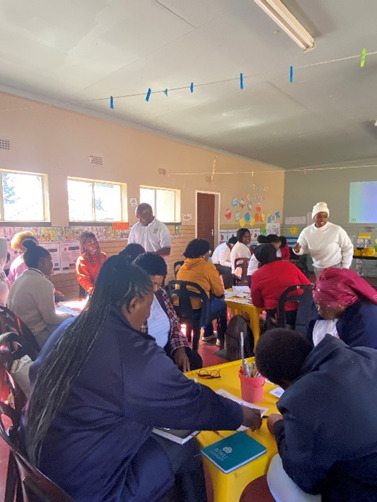
Seven participants (five ECCE managers and two practitioners) from a previous study (Thakalekoala, 2025) who had established and currently manage the Rekopantswe ECCE hub, invited practitioners from surrounding ECCE centres to attend a hub meeting focused on exploring wellbeing. A total of 25 participants attended the first session, 17 the second and 18 the third. All participants were female, with an age range of 22-64. The first phase of the future creating workshop was held on 15 March 2025, followed by the second on 5 July and the third on 2 August. Each session lasted approximately 5 hours with the time between phases intentionally built in to allow participants to reflect on their learning. Although some participants attended only one or two sessions, this potential challenge was managed by starting the second and third sessions with a structured recap of prior discussions to ensure shared understanding.
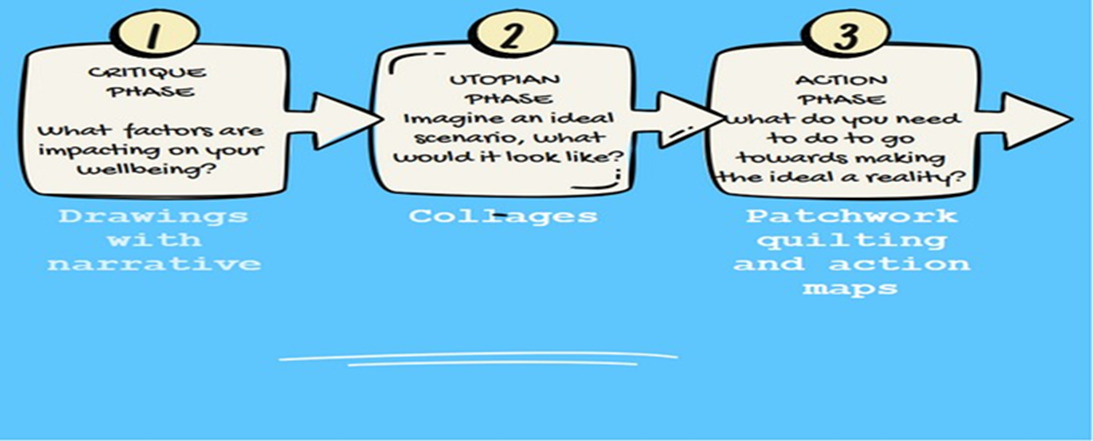
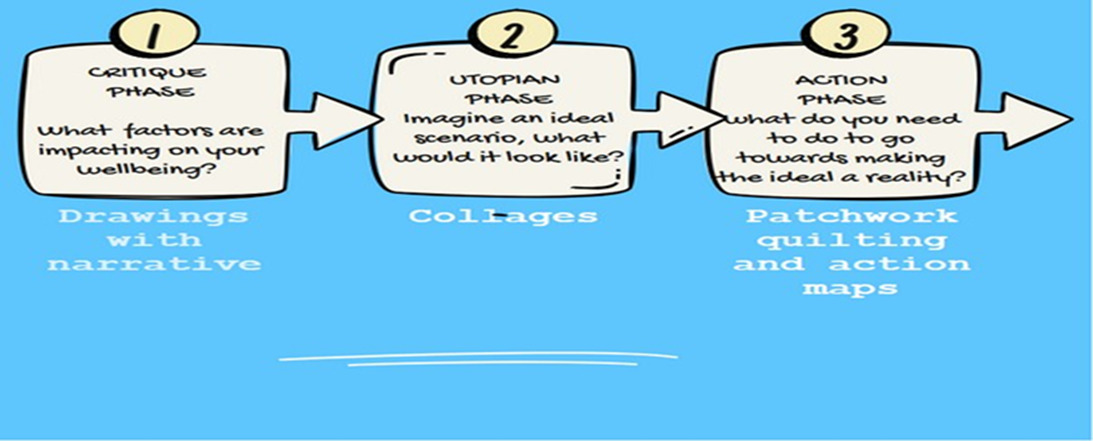
We chose a participatory action research (PAR) design (Fernández & Fine, 2024) since we wanted to foreground the participation of the practitioners. We adapted a future creating workshop (FCW) strategy (Raider-Roth et al., 2022) which aligned well with the PAR cycles of action and reflection. The FCW consists of 3 phases as shown in Figure 1: 1) identifying the factors that were impeding their wellbeing (critique phase) by means of drawings; 2) imagining ideal scenarios (utopian phase) by means of collages; and 3) developing an action plan and committing to implement it (action phase) by means of action maps and quilt patches. The participants used coloured pens and pictures from magazines to imagine scenarios. The use of coloured pens offered participants flexibility and creative freedom to personalise their drawings. The use of images from magazines offered diverse visual elements that enabled participants to express complex ideas and emotions related to wellbeing. This aligns with Culshaw (2019), who notes that collage methods can enable participants to communicate meanings that words alone may not fully capture. Together these materials enriched the use of visual arts methods by supporting the expression of both concrete and abstract aspects of participants’ wellbeing experiences, thereby making the phase discussions more engaging.
We chose visual methods as they encourage participation, even in those who lack self-confidence in their ability to express themselves well due to language and/or emotional barriers (Shortt & Parsley, 2025). Exploring wellbeing can surface past trauma and arts-based methods can help to create emotional distancing, making it safer for the participants to share their experiences and feelings (Rose, 2022). By creating and interpreting their visual artefacts, they have more control over their stories and what they want others to hear. Individual and group reflection on the artefacts also helps to build collective agency towards change, as they realise others share their feelings and concerns (Mitchell et al., 2017). Table 2 outlines the process of generating the data in each phase using different participatory and visual methods.
In addition, we recorded the group discussions in each phase and digitally captured the visual artefacts created by the participants. The analysis process was participatory, with participants actively involved in reviewing, discussing and refining emerging patterns across the dataset. The participants agreed on emergent themes and then engaged in consensus discussions to compare, refine and agree on the final themes. These procedures strengthened the integrity and trustworthiness of the study to enhance analytic rigour as outlined by Cole (2023). This process supported an iterative progression through the phases of familiarisation, collaborative analysis of the artefacts and discussion, theme development and theme review ensuring that interpretations remained grounded in participants’ contributions and shared meaning-making. To write this article, we took these broad themes and analysed the data through our theoretical lenses, following Braun and Clarke’s (2024) six steps for thematic analysis. The study demonstrates ecological validity because the data were generated in an authentic ECCE practice setting with active practitioner participation, ensuring that the findings are grounded in real-world contexts as suggested by Trickett and Beehler (2017).
Findings
In this section we present the findings from each phase of the FCW. Since many visual artefacts were generated, we present only the ones most representative of the themes that emerged. We refer to the participants by their chosen pseudonyms where they gave them in the individual activities (drawing) or if they preferred not to give one, we identified them by P#. When they did collaborative activities such as collage and action maps, we just refer to the group number. We present the findings in order of the phases and then discuss them in relation to theory at the end of each section.
Critique phase
We begin with the critique phase where they depicted their (lack of) wellbeing through the method of drawing. The drawings were effective because they enabled participants to express complex emotions and experiences visually, revealing insights that might be difficult to articulate in words. Two themes emerged from this phase – 1) Severe financial, emotional, workplace and home stressors impacting on the practitioners; and 2) Factors that promoted resilience.
Theme 1 Factors that impact negatively on practitioner wellbeing
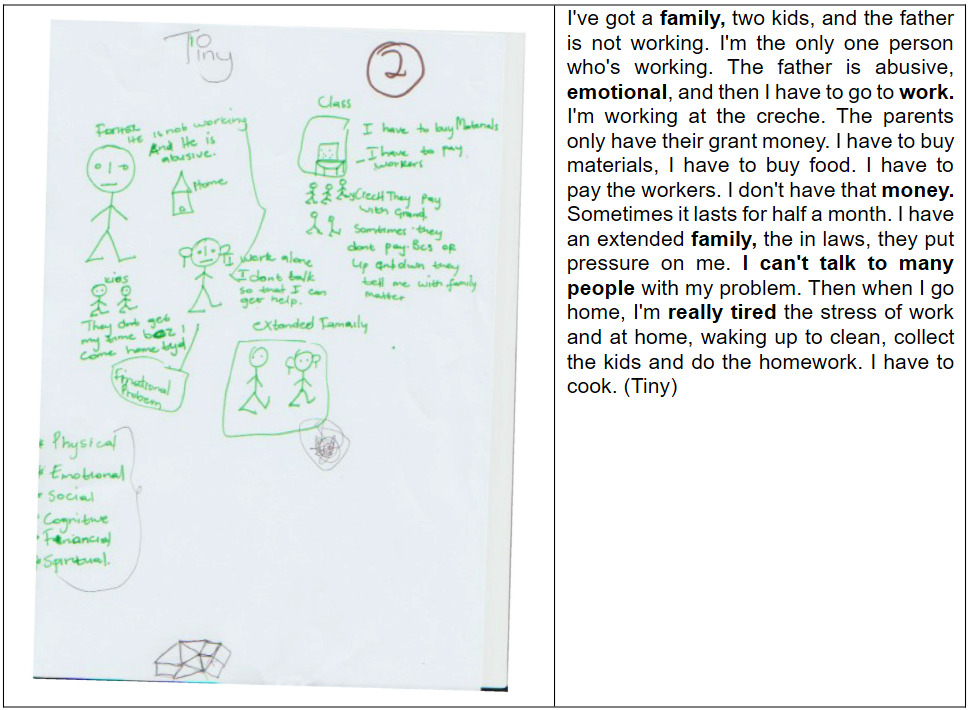
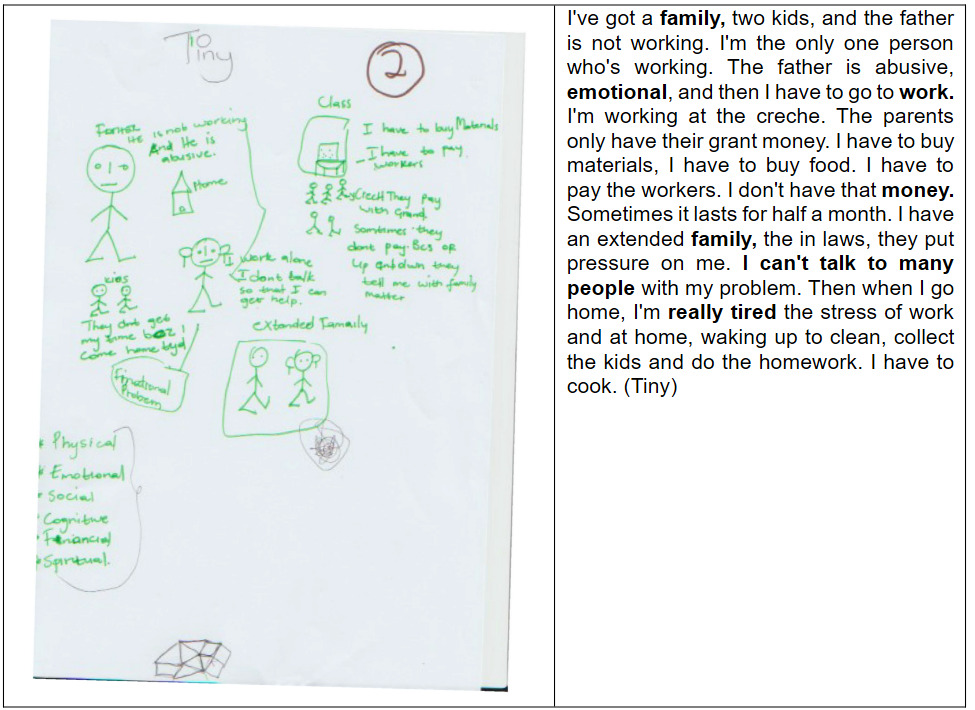
Practitioner wellbeing is shaped by a complex interplay of overlapping factors that extend beyond the individual into their personal and professional contexts, and it was apparent from most of the drawings that these factors were negatively influencing practitioners’ holistic wellbeing. Tiny’s drawing reflected the complexity of wellbeing as a holistic construct (Figure 2), including physical, social, spiritual, emotional, cognitive and environmental dimensions that interact reciprocally as outlined by Song et al. (2024). Key challenges identified by this participant included family pressures, work-related stress, ongoing fatigue and difficulties in maintain a heathy work-home balance.
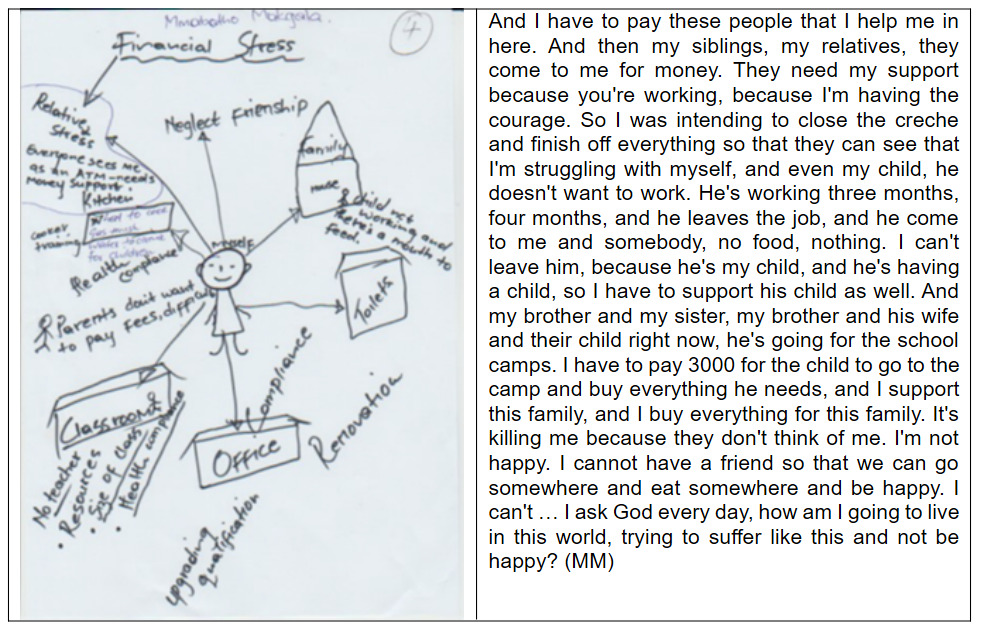
Building on the above-mentioned challenges MM further highlighted financial stress as an additional factor impacting holistic wellbeing. Figure 3 titled Financial Stress illustrates the many pressures MM faces. Participant MM indicated that, although she does not earn much, she was “regarded as an ATM” (meaning they came to her for money) by her extended family, most of whom were not employed. This was a common experience among participants, stemming from the cultural expectation that when you are working you have an obligation to support your extended family financially or materially. It does not matter if you do not earn much, whatever you earn should be shared. As the owner of the ECCE centre, she also faced the added stress of adhering to DBE registration compliance, renovating facilities, upgrading her own qualifications, managing insufficient staff and limited resources, and dealing with parents who could not pay even minimal school fees. These combined pressures left her little time for social connections or relaxation, further straining her holistic wellbeing.
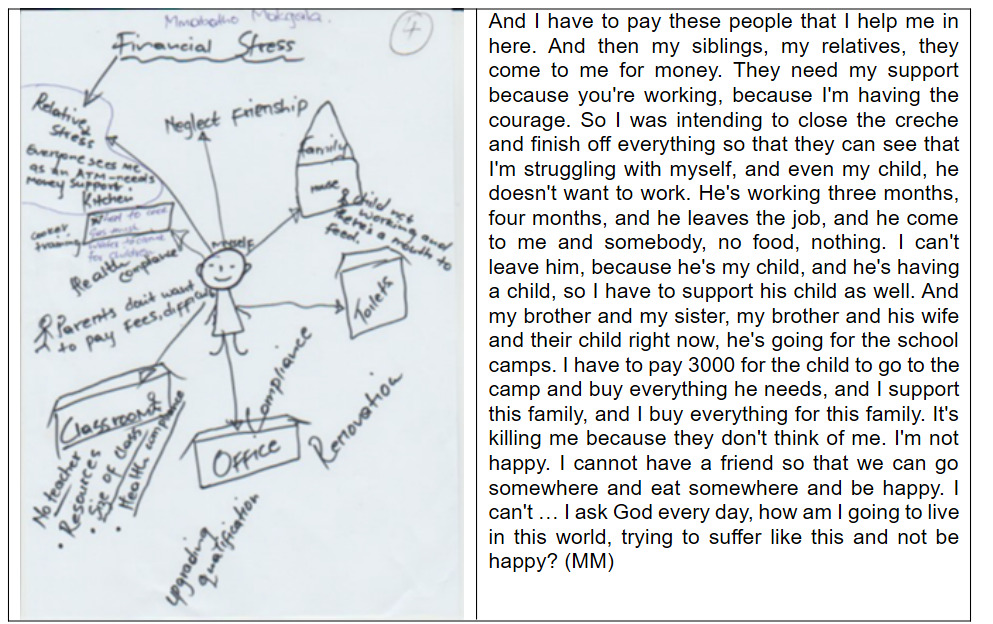
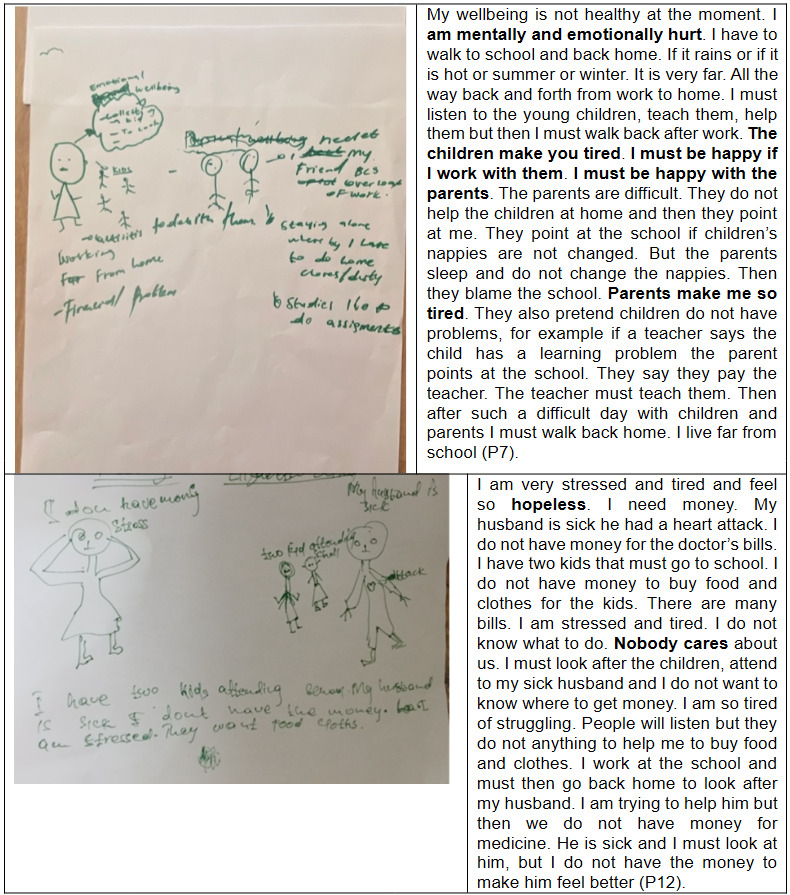
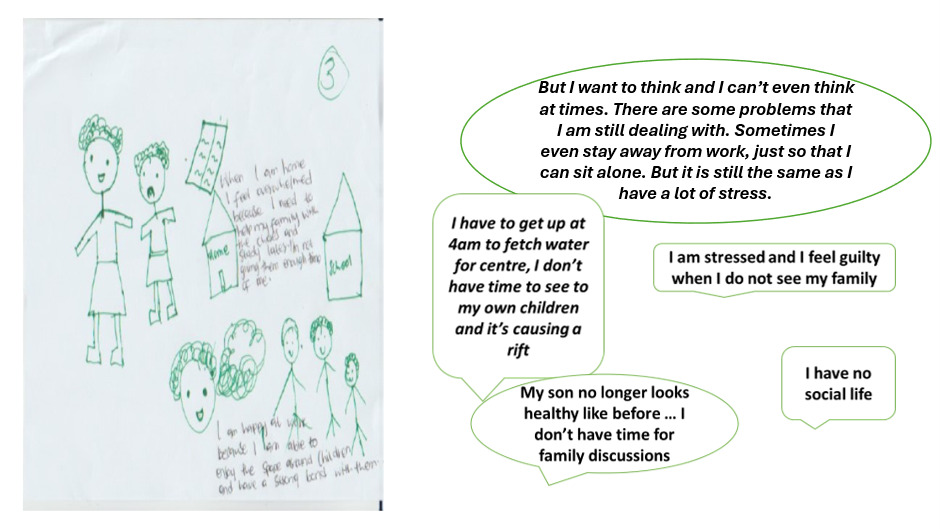
Figure 3 further illustrates that emotional and family stress were prominent concerns among practitioners, many of whom appeared emotionally exhausted. The constant demands from both work and personal life left them drained, as further illustrated in Figure 4.
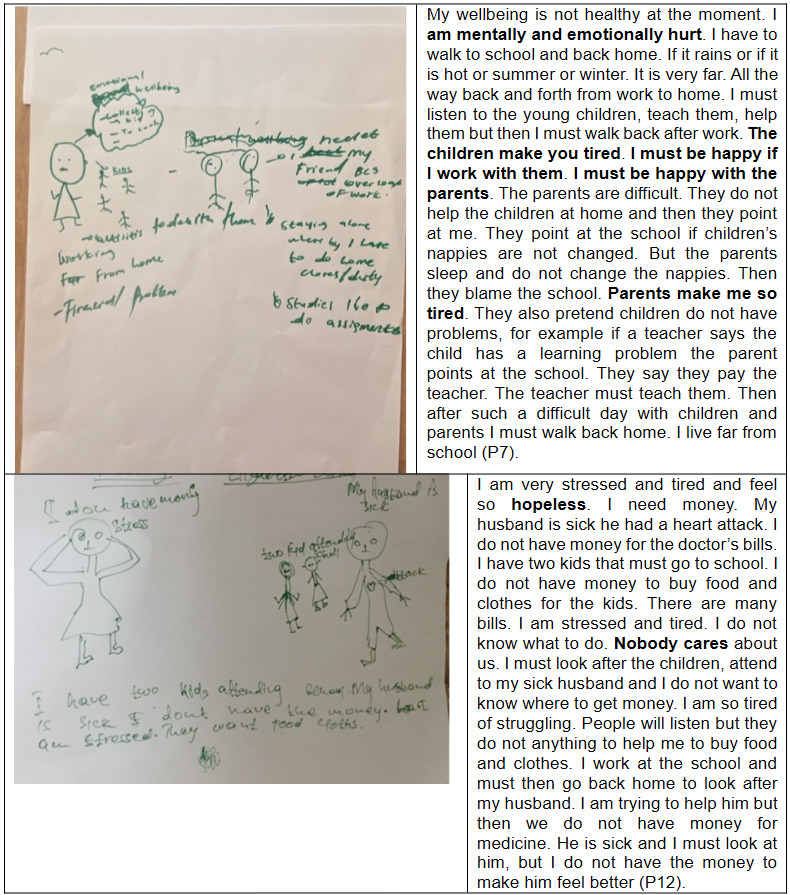
Figure 4 illustrates that several practitioners experience overwhelming stress from work demands, personal responsibilities, and financial pressures. Participants 7 and 12 noted that this stress affects their ability to concentrate and perform effectively, with one participant stating, "I want to think and I can’t even think at times." (P10), and another sharing*, “Sometimes I even stay away from work, just so that I can sit alone.” (P5)*
These accounts build on the previous discussion of financial and emotional stress highlighting the cumulative impact of multiple pressures on practitioners’ holistic wellbeing. Figure 5 further highlights how an imbalance between work and home life adversely affected practitioners’ wellbeing.
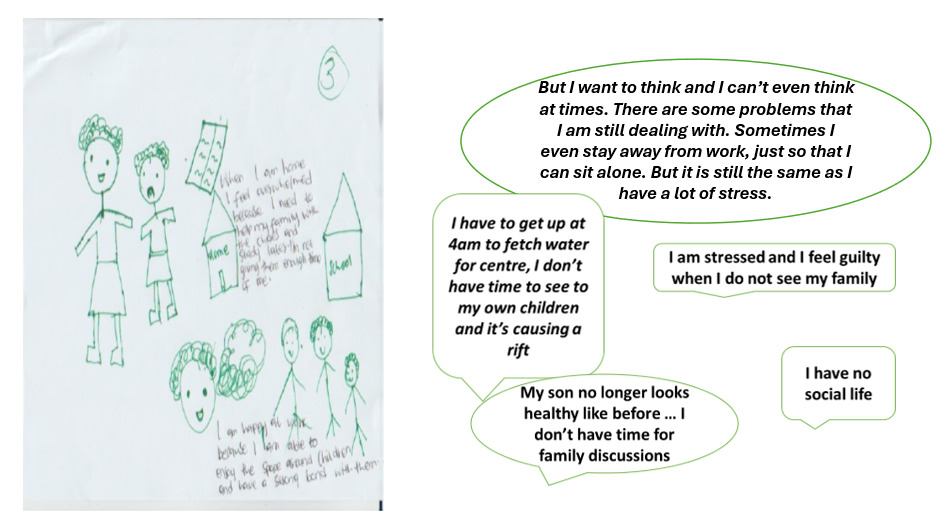
As shown in Figure 5, practitioners often find it challenging to balance the multiple roles they occupy, such as their professional duties, ongoing studies, and parental responsibilities. The constant juggling sometimes results in their children’s academic needs being overlooked. Participant 2 highlighted this struggle, noting, "I never have time for my son’s school. He’s in grade four, and every time they have complaints, homework is not done." (P2)
Similarly, the stress associated with managing an ECCE centre was highlighted by the managers in the group as indicated by the following verbatim statements. The stress experienced by managers in running ECCE centres was intensified by a range of external and internal pressures. For example, one participant shared: “I have lots of stress from the municipality who does not help me with rezoning questions” (P1), while another pointed to challenges within the centres themselves, such as gossiping among teachers (P7) and the disregard for contractual agreements: “Teachers sign the contracts, but they do not care, they do whatever they want” (P11). Added to this, participants described feeling intimidated by regulatory authorities: “I feel intimidated by the health department, they are rude” (P4).
The following quotation from one of the younger practitioners sums up her feelings of inadequacy, isolation, and depression related to her job:
I love to work with kids, but I am young. Sometimes I feel my manager does not listen to me. I work with the small children from 6 months to 18 months. But then my manager called me and said I must move to the 4 and 5 year olds because the teacher is not there. I battle to work with these children. There are children who do not want to talk. The other practitioners do not support me. I also do not get enough money and I beg for an increase but nothing is happening. I must work in a classroom where I do not know what to do with the children. My colleagues do not support me and I experience a lot of stress. But I like the children, it is just that I do not know what is the right thing to do with them. It feels as if I am the youngest and my colleagues makes it difficult for me – I do not think they support me. I must do the things that they do not want to do. I must work extra and then I ask for more money but nothing happens. I try to take one step at a time, but I often feel depressed. It is really difficult to live with this salary. I work very hard and just as I think I can cope with the children the manager moves me again where nobody wants to work. (P17)
The practitioners’ accounts reveal how external pressures from municipalities and government departments, coupled with internal challenges such as staff conflict, lack of accountability, and feelings of intimidation, heightened their stress levels. These multiple stressors left many feeling isolated, overwhelmed, and emotionally drained. Yet, despite these difficulties, practitioners also identified factors that enabled them to persevere and adapt, highlighting important sources of resilience that sustained them in their roles. In the following section, these resilience-enhancing factors are described and explored in more detail:
Theme 2 Factors that promoted resilience
This theme highlights the factors that foster resilience among practitioners. Key contributors to resilience included their love for the children, their faith, and the support of the church community, as detailed below. The experiences shared by Elsie and Maggie particularly illustrate how these sources of strength helped them cope with the challenges of their daily practice:
I am old. But I love the children. I love to work with them. I was old when I started to work with children. They love me, they call me and hug me and is happy to see me. Sometimes their parents make them sad, but they are always happy to see me. It hurst children if the family shout. Sometimes the family shouts. I must be the family of the children. I love children so much. (Elsie)
But when I go to church I always feel better. Church makes me happy. I find a lot of strength in the church. I listen to the pastor and I am happy. My friends at church talk to me. They hug me and we pray. God loves us. It makes me happy. The church makes me always feel better. (Maggie)
These excerpts indicate some evidence of resilience as they depict how individuals draw on internal strengths and external support to cope with adversity and maintain wellbeing. Despite her age, Elsie’s work with children gives her a sense of purpose from which she derives energy and emotional strength – she sees herself as protecting the children from the conflict they may experience in their homes. She manages to transform the sadness of the children into an opportunity for caregiving, which in turn promotes her resilience as the love she receives from the children is a protective factor against other stresses in her life. Maggie derives strength from her faith since her belief in a higher power fosters hope and helps her feel “happy”. The friendships she experiences at church provide a much-needed social support. Both these examples show that they have found ways to counteract the negative influences on their wellbeing through developing relationships that help them to feel better and maintain a more positive emotional outlook. Other practitioners used nature metaphors to illustrate resilience, recognising that hardships are temporary and that seasons of life will change. As one explained, ‘At some point, a tree has to give its leaves to grow new ones’ (P9), while another noted, ‘We have summer, we have autumn … the season is always going to change, so there is a future’ (P16).
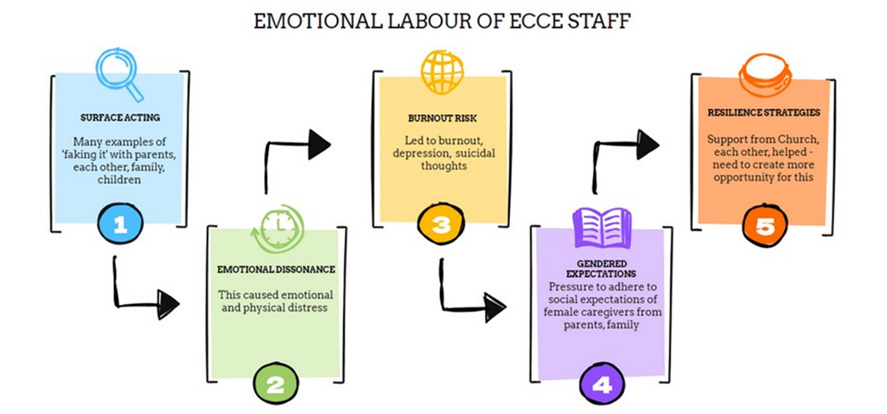
Despite these hopeful metaphors, the data from Phase 1 indicates low holistic wellbeing among the practitioners. Looking at it through the PERMA framework (Seligman, 2011), there is little evidence of positive emotions as their drawings and narratives indicate depression, loneliness, anxiety, and exhaustion as the prevailing feelings. Many of them struggle to engage fully in their work as they are preoccupied by financial and family worries. Their relationships both within the workplace and at home were described as unsupportive and conflictful. However, resilience was evident as they did find some meaning in their work and lives through supportive networks like the church, their faith and love for the children. These protective factors (Terrana & Al-Delaimy, 2023) meant that they had some sense of accomplishment–but this was mostly expressed by the older participants. In terms of Hochschild’s (1979) concept of emotional labour, several of the participants spoke of the stress of having to be nice to “difficult parents” and having to be emotionally upbeat when working with the children. They also had to keep their emotions in check when dealing with their families and colleagues, a process Hochschild describes as emotional labour. This can create emotional dissonance, leading to distress and potentially resulting in physical and emotional burnout, as outlined in Figure 6, which also highlights surface acting, gendered expectations, and resilience strategies employed by ECCE staff.
.png)
Figure 6 illustrates that considerable emotional labour was undertaken by ECCE staff alongside the resilience strategies they employ. Although resilience can be supported through strategies like hobbies, supportive networks, and loving relationships outside of work, few practitioners in this study had time for themselves. This highlighted the urgent need for the ECCE hub, which could offer a space for practitioners to share challenges and support one another in navigating the stresses of under-resourced environments. In small group sessions, we witnessed a strong desire for more opportunities to connect, with participants expressing gratitude for the chance to do so. The arts-based activities created a safe and supportive space for practitioners to explore their wellbeing and many opened up for the first time and reported feeling better as a result. The small group discussions promoted empathy and mutual support, as participants recognised that they were not alone in their challenges. They showed a strong interest in continuing these activities, with one concrete outcome being that 15 practitioners signed up to join the ECCE hub, likely reflecting the genuine sense of support they experienced. As Nosi remarked, ‘It’s not a sin to be a bit selfish sometimes." Building on these insights into practitioners’ challenges and the support mechanisms they found helpful, the discussion now turns to the Utopian phase where participants explored their ideal visions for holistic wellbeing.
Utopian phase
Our focus in the Utopian phase was to assist practitioners to imagine an ideal scenario, where anything was possible. This allowed them to co-create a shared vision to counteract the problems identified in the critique phase, promoting collaboration and unity around a common vision (Van Dermijnsbrugge & Chatelier, 2022). We asked them to form four groups of more or less equal numbers which we then designated as groups 1-4. Maybe for the first time, participants were encouraged to voice and discuss with others their hopes and dreams, laying the foundation for more democratic decision-making about the actions to be explored in the next phase. The use of the participatory visual method of collage was intended to stimulate their creativity, and facilitate participation (Barron, 2023). The collage was effective because it visually captured the group’s collective hopes and values around mutual support, wellbeing, and a healthy work environment. We now present the main ideas that emerged from analysis of the visual and textual data in this phase.
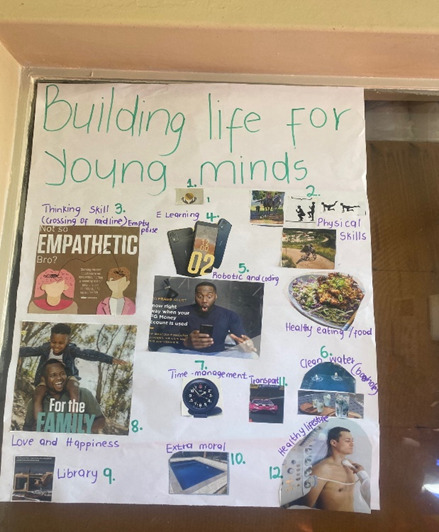
Group 1 focused on the desire for mutual support among the practitioners. The title of the collage (see Figure 7) refers to the fact that they believe that if they are well emotionally, then they will be able to support better the development of the children. They imagine that they will share information and leads about funding, have fun together while staying healthy. They envisage a healthy work environment – they will have clean water, they will be safe in the centre and also going to and from work as transport will be provided. They will have access to the internet and use that to also share with and support others. This collage indicates that the practitioners do not have grandiose dreams—most of us would take running water and safety at the workplace for granted—but it is something they do not currently experience.
.png)
This is about us as practitioners. Our first bullet reads that as team work spirit, we have to have a team work spirit as ECDs, all of us, … we have to get together and do things together so that we could, we could support each other, and then we have to share information, like today, when we have information that there are people coming to come and share with the other ECDs, we have to come together spread the word so that we can grow all of us. We must never be selfish. We should never take information and put it away (Group 1)
The narrative accompanying the collage is a testament to their resilient attitude that practitioners can cultivate wellbeing through mutual care and sharing of resources and information to the benefit of all. They recognise that their wellbeing is not just about individual coping, but about collective learning and development (we empower each other as women). They showed creativity and resourcefulness by pointing out that they could access free Wi-Fi and books at the library (If you go to the library day, they provide free Wi Fi most of the time, and then so that we can communicate, so our emails will be sent easily, and we make calls easily, and then we do our research in Google); they emphasise the power of positive emotions, and good relationships as protective factors against stress (We make sure that we spend time all the time and love and happiness as for as we have our own stresses and everything thing, but we make sure that we love each other and we are always healthy with ourselves, with up with each other and in our families too.) Their vision of collaborating and supporting each other to uplift all the ECCE centres reflects a renewed sense of purpose.
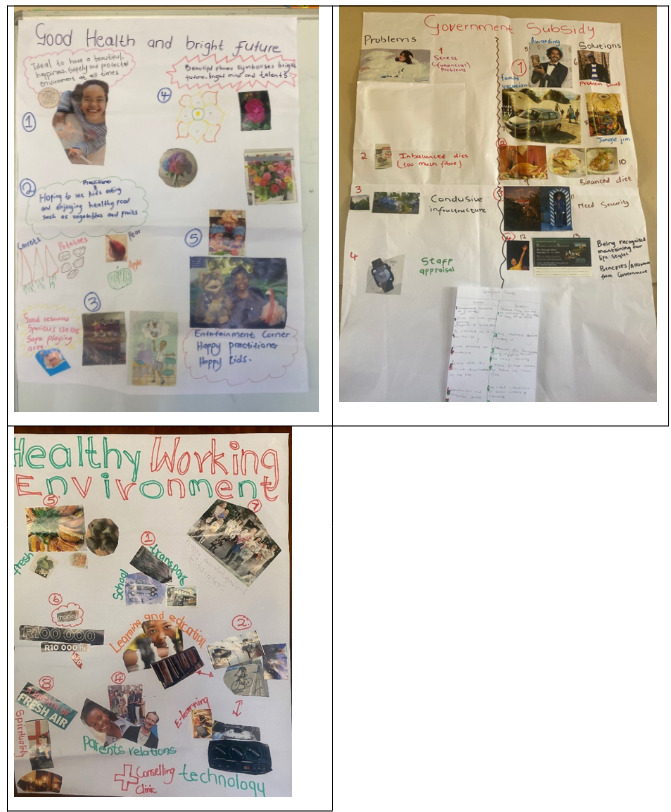
Groups 2, 3 and 4 (see Figure 8) concentrated more on the dream of having a healthy work environment, where both practitioners and children would be safe, have enough to eat and there would be enough resources to enable them to deliver quality education and care. They dreamt of having counselling available to help them to cope with the trauma of the job:
… our next one, we’re going to counselling sessions. It’s about living healthy. It’s about a practitioner being healthy. So that’s where we come in. We need to find balance between our workspace and our home, places where we come in and you have to deal with kids, kids coming from different backgrounds, where some are abused, some are not even taken care of where parents have their own issues that affects the child. So that’s why counselling must come in as a teacher. We have to deal with such things. (Group 3)
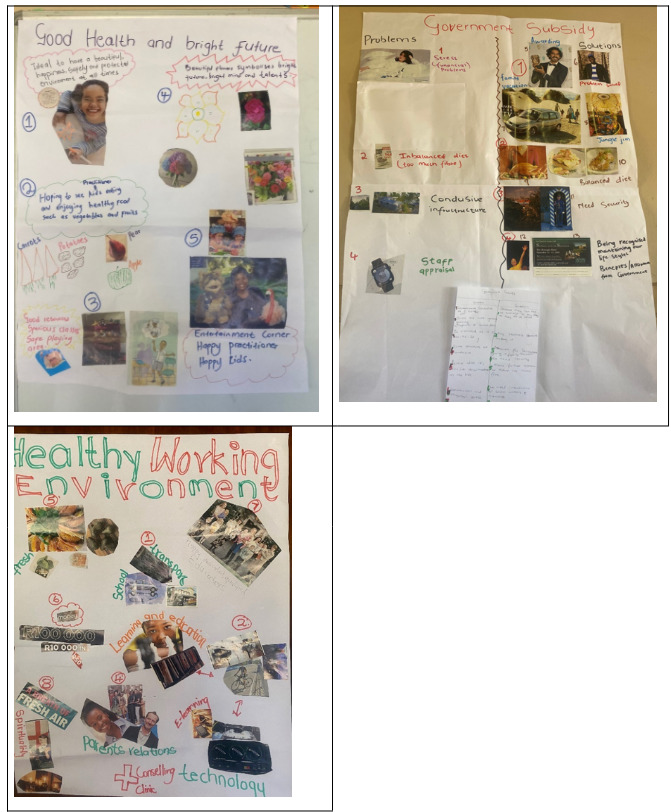
Their narratives clearly resonated with the five pillars of the PERMA model of wellbeing, as indicated in Table 3. This indicates that they have a clear vision of how to improve their wellbeing.
Overall, the collages reflected optimism and hope for the future, presenting a meaningful vision of their roles as practitioners. They recognised the importance of building supportive relationships with both internal and external stakeholders and expressed a strong willingness to collaborate and learn together. This created a solid foundation for the next phase of the FCW – the action phase.
Action phase
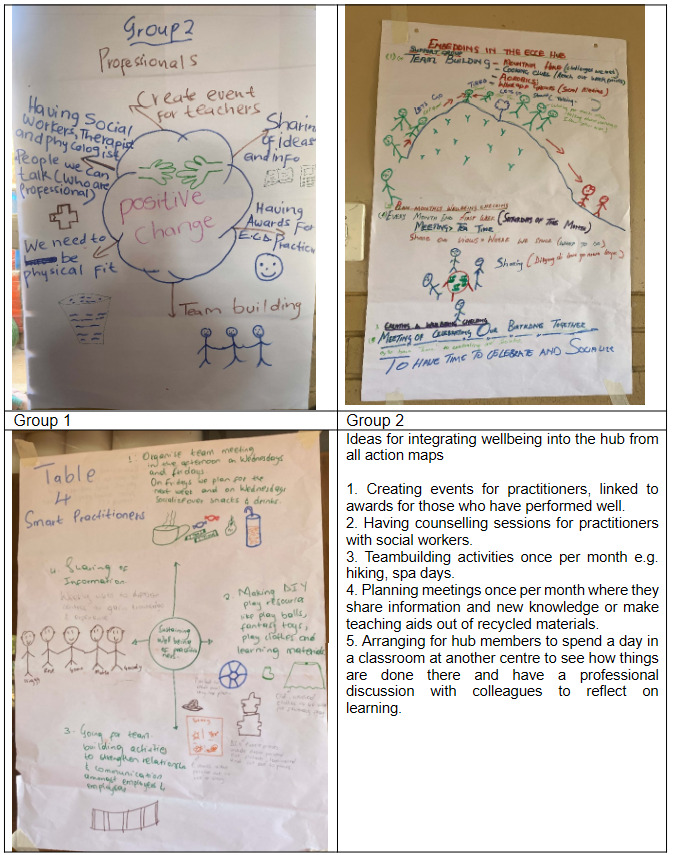
The final phase focused on developing action plans to improve wellbeing within the hub structure, aiming to enhance sustainability. We reminded practitioners of the ideal scenarios they had envisioned through their collages and asked them to also reflect on the wellbeing aspects identified for improvement in the first session. They were provided with tools they could also use with other colleagues in future (see Table 2 for links). After this individual reflection, they worked in groups to create visuals representing how wellbeing could be embedded as a regular feature of the hub. Figure 9 contains a selection of the action maps they made.
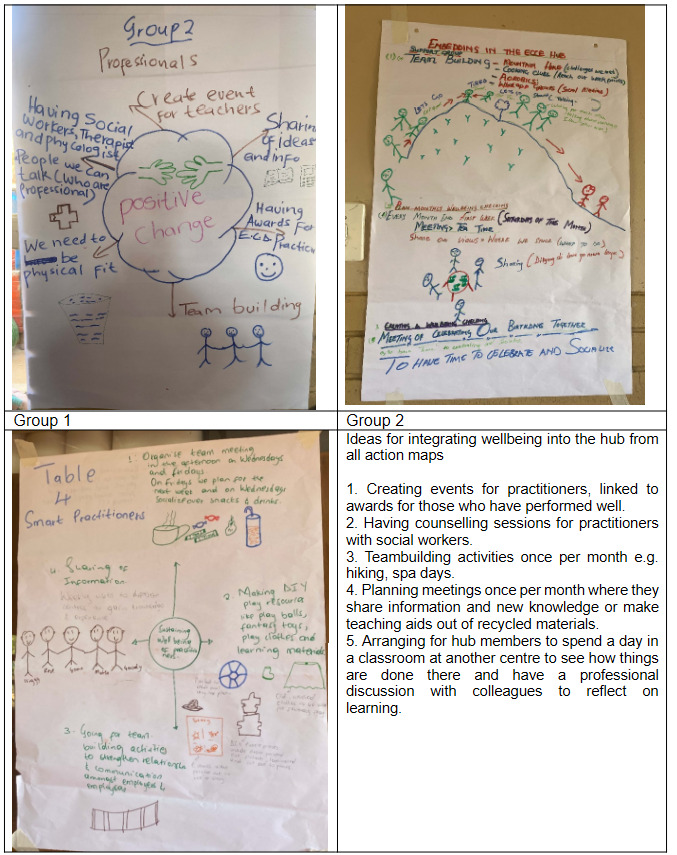
Group 2 used the metaphor of going for a mountain hike. The action map shows some falling on the way up, but “we all stop until they can go on” and then resting under a tree when it gets hot “until we all feel able to continue”. They explained that the whole time are walking they are sharing their ideas, thoughts and feelings with each other, so that they all feel better afterwards. These maps represent the important role of a hub in promoting practitioner wellbeing by pooling of resources, sharing information, mentoring and professional dialogues, creating opportunities to promote physical and emotional wellbeing and professional development. This will help them to reduce the emotional labour of their work, increase resilience and promote flourishing, rather than just surviving.
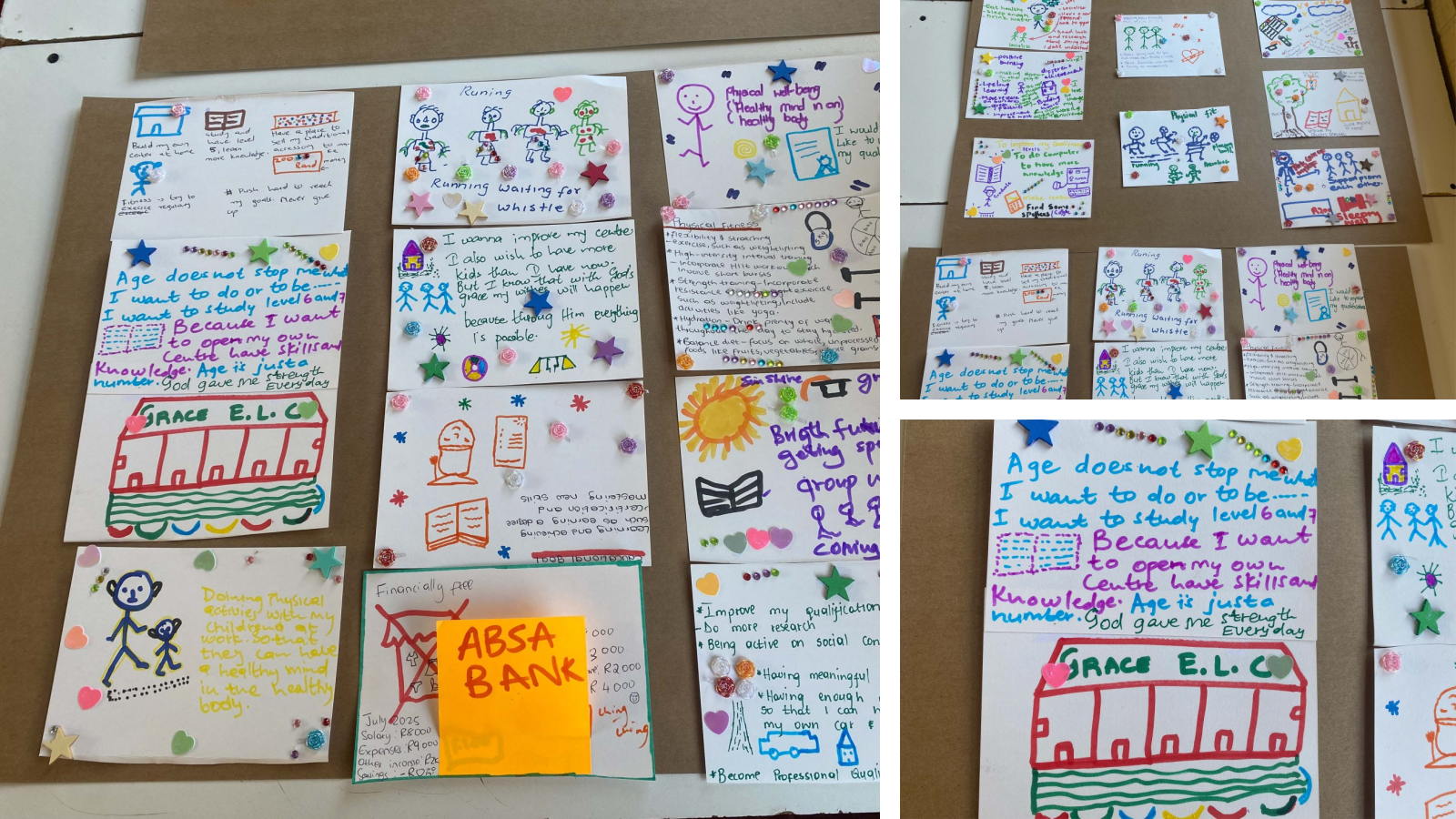
To consolidate their learning, we asked them to do a patchwork ‘quilt’, as explained in Table 2 (see Figure 10).
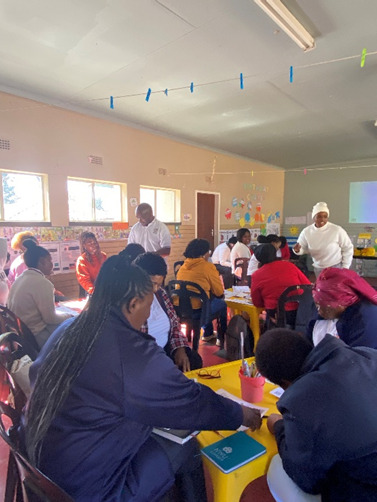
The idea was that they each commit to doing at least one thing to improve their wellbeing immediately. They could then take these patches and put them together on the wall of their respective centres and use them to hold each other accountable to taking the action. Their commitments are visible in Figure 11.
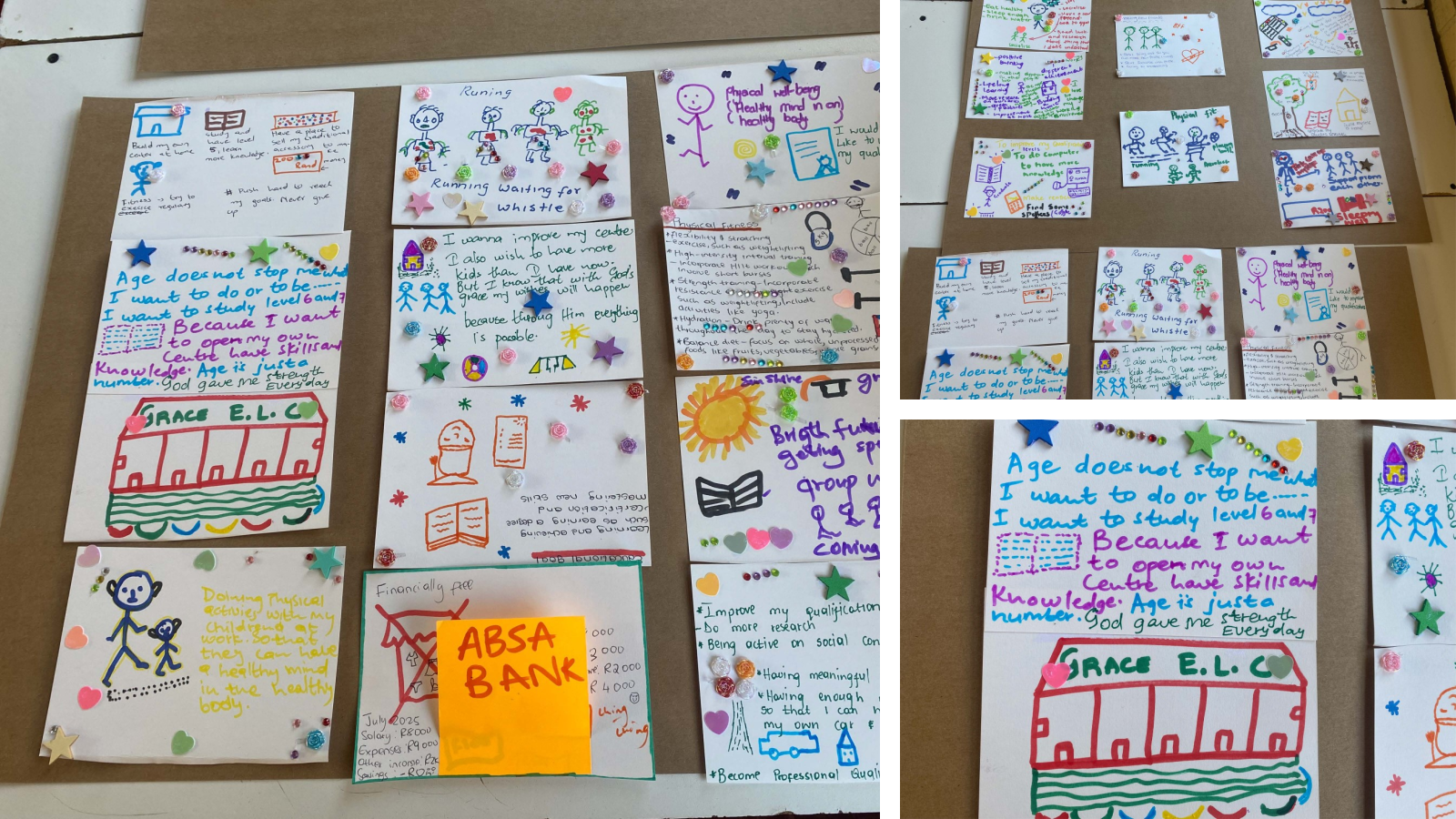
We now reflect on how the use of arts-based methods facilitated the learning and development of the practitioners.
The role of arts-based methods in promoting wellbeing
The discussions presented here on the wellbeing of practitioners indicate that the drawing, collage making, and action mapping enhanced their resilience, their relationships with others and inspired them to think creatively about how they could improve and sustain their collective wellbeing through embedding it as a regular feature of the ECCE hub. The drawing exercise in particular evoked deep emotions, but they were able to explore and vent these emotions in a safe space, as speaking about the drawing gave them some emotional distance. Their discussions during and after creating the drawings, collages, action maps and quilt patches helped them to explore and understand their own needs and how they could collectively meet them. This was the first time for many of the practitioners to have such a space to talk freely about their feelings and needs, and they appreciated the opportunity to make connections with each other, finding similarities but also understanding that they each possessed different skills and knowledge that could help them better perform their work. The creative practices were themselves engaging and this may have helped to reduce anxiety (Bukhave et al., 2025) so that they could concentrate fully on the task at hand. Participants reflected on the value of group work, noting that it created possibilities and inspired positive thinking. One participant shared that the sessions encouraged them to consider how to improve their workplace, saying:
It made me feel like I really need more sessions. Those ideas give me a lot of thinking. I wanna improve my workplace. How I’m gonna do it? So right now, it’s lots of ideas, positive thinking. Wonderful. Thank you. (P9)
Others highlighted the emotional support gained from the group, observing that sharing experiences helped them feel less alone and more hopeful:
Sometimes you become more emotional because we’re alone. So in this way, you become very cheerful and you have inner peace. So doing this in a group builds your hope. (P5)
A further reflection emphasised collaboration and mutual support, with one participant noting that overcoming obstacles together strengthened their practice:
We have each other together. You mustn’t say that one is not my problem. We have to hold hands together as an ECD so that we can be successful practitioners. We should smile together. We should cry together. We should develop each other together like everything is all about us. (P14)
Arts-based methods, by engaging participants in playful and creative activities, can enhance morale, stimulate creativity and foster innovative thinking and creativity (Briguglio et al., 2022). These approaches allowed the participants to explore ideas and enhance deeper reflection and collaborative learning. This study highlights that incorporating artistic expression into research not only nurtures individual creativity, but it also strengthens group dynamics and collective resilience-building capacities. Therefore, as researchers, we not only learned about the state of practitioner wellbeing, but the use of participatory arts-based methods brought about improvement in morale and helped them to be active agents in the creation of more supportive environments in their centres through joining the ECCE hub.
Conclusion
This study sheds light on the complex realities faced by ECCE practitioners in South Africa, where financial hardship, emotional strain, and limited government support undermine both personal wellbeing and the quality of early childhood education. Using a participatory action research process grounded in arts-based methods including drawing, collage, quilt-making, and action mapping, practitioners expressed their challenges, envisioned preferred futures, and co-created strategies for change within the Rekopantswe ECCE hub. A key challenge in the research was ensuring sustained engagement and collaboration as ongoing support and resources are necessary to maintain the wellbeing initiatives identified. Limitations of this research include that the findings are closely tied to the specific context and participants involved, which may limit the generalisability of the findings to other ECCE centres or settings. Additionally, by focusing on collaboration, we may have overshadowed individual differences in experiences or needs within the group.
However, these challenges were mitigated by creating a safe and engaging participatory space where visual arts methods enabled practitioners to openly explore their emotions and wellbeing while fostering collaboration, reflection and sustained involvement. This process not only fostered stronger connections and collective understanding among participants but also supported their creative thinking and resilience in sustaining their shared wellbeing. The visual and narrative data revealed both the depth of emotional distress and the resilience and resourcefulness of the practitioners. Their collage explanations reflected a strong belief in cultivating wellbeing through mutual care, sharing of resources, and collective empowerment. They recognised that wellbeing is not solely an individual pursuit, but a shared responsibility rooted in collaboration and solidarity. Future research could explore integrating digital storytelling and participatory photography as complementary creative approaches to further enhance practitioner engagement and expression.
Practitioners demonstrated creativity in identifying accessible resources, such as free Wi-Fi and books at local libraries, and emphasised the importance of positive emotions and supportive relationships as protective factors against stress. Their vision of uplifting all ECCE centres through collaboration and mutual support reflects a renewed sense of purpose and agency. The action maps created during the final phase underscored the potential of the hub structure to promote practitioner wellbeing through resource pooling, mentoring, professional dialogue, and opportunities for emotional and physical wellbeing. These collective strategies offer a pathway to reduce emotional labour, enhance resilience, and foster flourishing rather than mere survival. Crucially, it was the use of arts-based methods that made these outcomes possible. Reflection on the research revealed that creating safe, expressive spaces for storytelling, visualisation, and reflection, enabled practitioners to surface deep emotions, build trust, and imagine new possibilities. As researchers, we played a facilitative role to guide the participatory process where practitioners transformed abstract concepts of wellbeing into tangible, shared visions and practical actions. In resource-constrained environments, such creative approaches become transformative tools for empowerment, connection, and sustainable change. Ultimately, this research illustrates how participatory, arts-based approaches can enhance the wellbeing of practitioners in under-resourced work environments into spaces of hope, creativity, and collective growth. For organisations and policymakers seeking to improve ECCE in similar contexts, investing in practitioner wellbeing through creative, community-driven methods is not only ethical, but essential.
Acknowledgements
This research was conducted in collaboration with and funded by the ETDP SETA Research Chair in Early Childhood Development.