Introduction
In Wyoming, a single monument commemorates the transcontinental railroad. This granite pyramid is erected near the ghost town of Sherman, honoring the Ames Brothers, financiers and swindlers of the Union Pacific (Monument Lab, 2021). This structure celebrates capital rather than the predominantly immigrant labor that built the railroad and, with it, the economies, infrastructure, and communities of the American West. The thousands of Chinese, Japanese, Italian, Greek, Mexican, and other immigrant laborers who blasted tunnels, laid track, and lived and died in the high plains remain largely unacknowledged in the state’s official memory landscape.
This absence is not unique to Wyoming. Across the United States, monuments to infrastructure and industry often celebrate financiers, politicians, or conquerors while ignoring the workers—especially immigrant and racialized workers—whose labor was critical (Monument Lab, 2021). As scholars of memory studies have observed, monuments are not neutral; they reflect political priorities and cultural values (Doss, 2010; Huyssen, 2003; Nora, 1989; Savage, 1997; Young, 1993). The lack of monuments to labor signals whose contributions are valued and whose are erased.
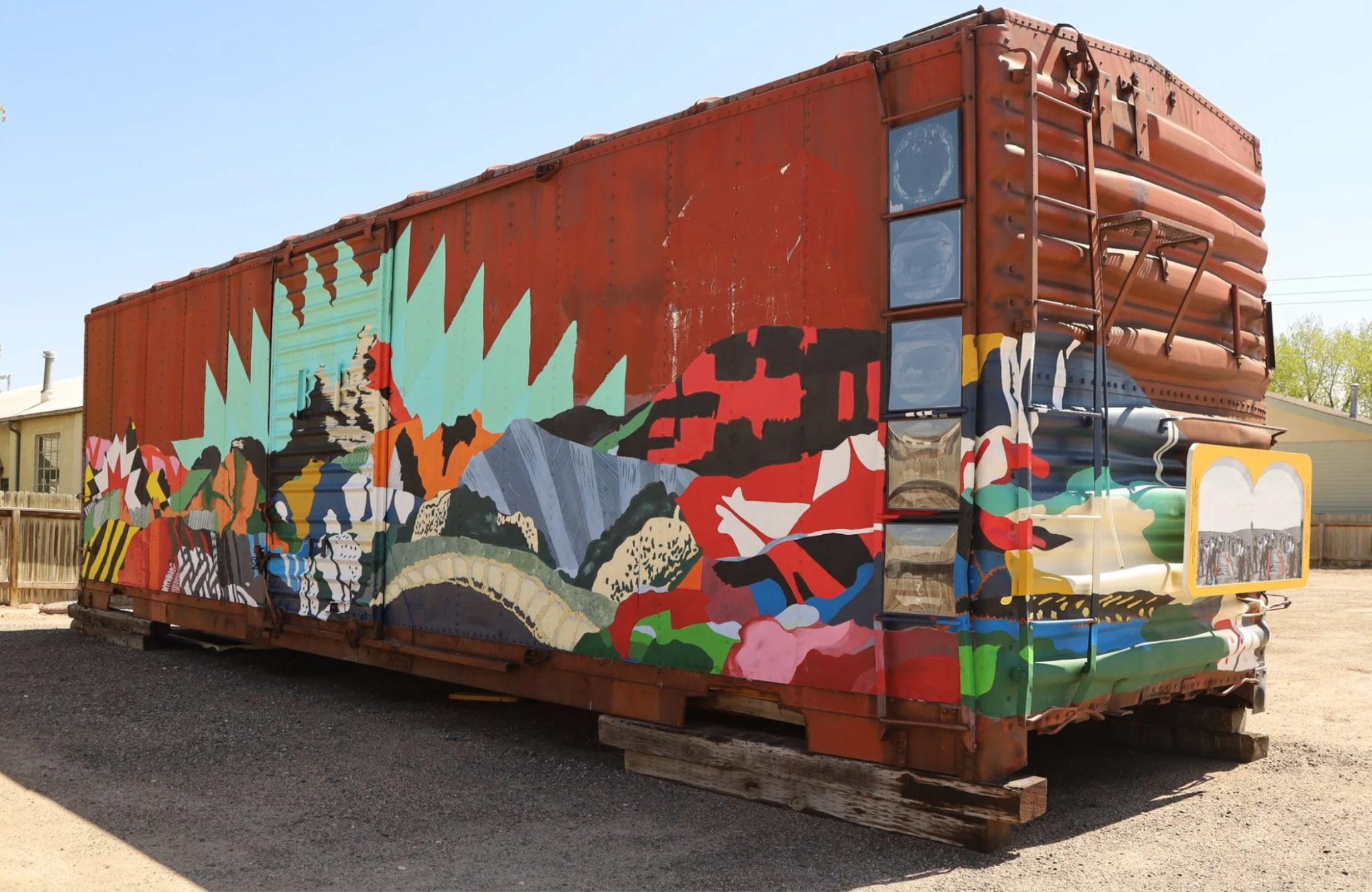
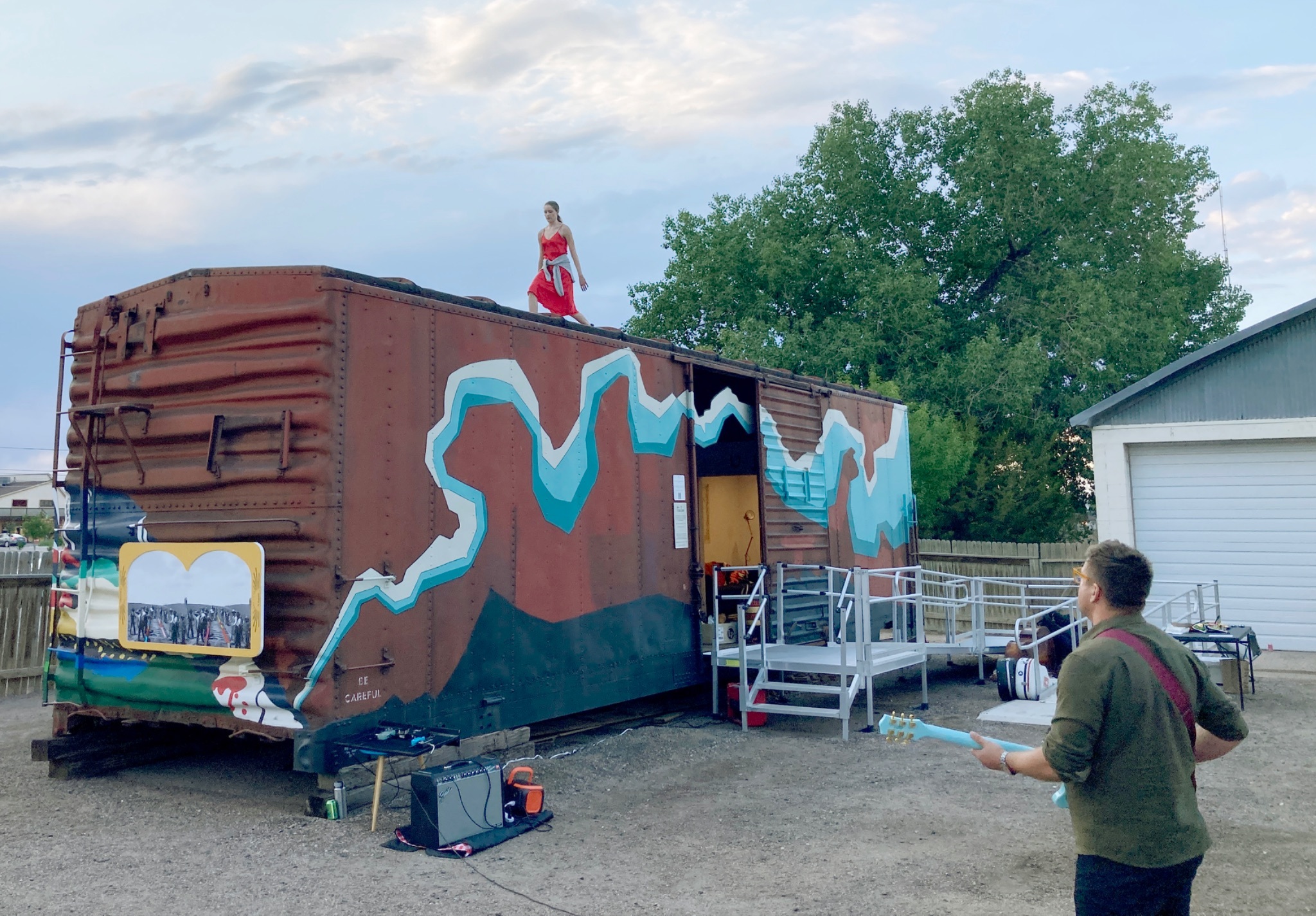
In 2024, I co-founded High Iron, the first monument in Wyoming dedicated to immigrant railroad labor, alongside socially-engaged artist Conor Mullen and public arts administrator Laura McDermit. High Iron is housed in a transformed train car that travels across the state along the historic transcontinental rail line—now Interstate 80—holding residencies in each rail community it visits. The train car serves simultaneously as a monument, an evolving site for public art and history, and a hub for participatory practice. It features installations by nine artists, interactive family-history exhibits, and an oral-history recording station. Each residency includes workshops, performances, and story circles that invite communities to reflect on their own histories and contribute to a growing public-memory project.
High Iron illuminates overlooked narratives of essential labor, immigrant contribution, and intergenerational resilience. At the same time, it provides a replicable model of how community members—working as Creative Knowledge Makers—can employ participatory and qualitative research methods to generate new forms of knowledge and public memory. This report positions High Iron as a methodological case study, offering practical tools for scholars, artists, and practitioners interested in applying arts-based, participatory approaches to community-engaged research.

The Need
It is an exciting moment for the engaged public humanities. As a member of the first cohort of an innovative PhD program in Public Humanities—housed in the English Department at the University of Wyoming—I work within and alongside communities to reimagine how knowledge is made and shared. Traditional academic research often struggles to capture the fullness of lived experience or to return knowledge in forms that are accessible and meaningful to those who generate it (Frisch, 1990; Tuhiwai Smith, 1999). Oral histories can end up sequestered in archives rather than shared back with participants (Frisch, 1990); archival research can inadvertently reproduce existing silences (Trouillot, 1995); and ethnography can slip into extraction when communities lose ownership of their own stories (Tuhiwai Smith, 1999). When research is conducted on rather than with communities, the result is frequently a one-way transfer of knowledge that consolidates institutional power rather than building community capacity (Bishop, 1998; Tuck & Yang, 2014).
In contrast, I advocate for a model in which “the public” are not only participants but co-producers of knowledge whose ways of knowing are equally vital to understanding the world (Minkler & Wallerstein, 2008; Wilson, 2008). This orientation asks institutions and the academy to recognize and value community knowledge-making as a rigorous, generative, and reciprocal form of scholarship.
Through High Iron, I have developed the methodological framework of Creative Knowledge Maker. Herein, a creative is understood simply as a person who has the ability to develop original and innovative ideas. Creative Knowledge Maker positions creative practitioners—artists, storytellers, educators, culture bearers, elders and generally community members—as researchers in their own right (Barone & Eisner, 2012). Creative Knowledge Makers employ qualitative and participatory methods such as oral history, participant observation, archival recovery, and collaborative mapping, transforming findings into artworks and activations that circulate as knowledge. Here, the creative process itself becomes inquiry (McNiff, 2008): a bridge between individual memories, community practices, and shared public spaces.
The goal of this report is not only to describe High Iron but to outline how it works—offering a toolkit of replicable steps for other practitioners who wish to activate community-based, creative, and participatory approaches to public memory.

The Framework
Arts-Based Research (ABR) is rooted in the idea that artistic processes can generate and communicate knowledge. ABR is diverse and adaptable, able to integrate with other participatory and qualitative methods such as ethnography and archival research (Leavy, 2017; McNiff, 2008). ABR has taken forms ranging from participant-created photography and poetry to collaborative performances and installations (Knowles & Cole, 2008).
I present what I term the Creative Knowledge Maker framework, extending ABR by explicitly recognizing creative and community practitioners as researchers (Barone & Eisner, 2012). In this model, creativity is not an afterthought or “translation” of research but the mode of inquiry itself (McNiff, 2008). Creative Knowledge Makers interview, observe, and analyze; they also experiment, iterate, and interpret through embodied, imaginative and affective practice. The resulting works are not illustrations of research findings but are themselves knowledge-bearing—producing insights that are aesthetic, affective, and grounded in lived experience (Conquergood, 2002; Pink, 2009). Within the context of this report, participants in High Iron’s free and public workshops and events are named and recognized as Creative Knowledge Makers.
High Iron integrates ABR with Community-Based Participatory Action Research (CBPAR), ensuring that communities shape both process and outcome (Reason & Bradbury, 2008). CBPAR is grounded in principles of equitable partnership, co-learning, and the cyclical integration of research and action (Israel et al., 1998; Wallerstein & Duran, 2010). It emphasizes participation, co-design, and actionability: research is conducted with and for communities rather than on them (Kindon et al., 2007). In High Iron, participants helped define themes, contributed stories, and co-created installations. Outputs were returned in tangible forms, from oral-history recordings to interactive exhibitions.
By combining ABR, CBPAR, and the Creative Knowledge Maker framework, High Iron demonstrates how creative practitioners can function as interpreters, mediators, and facilitators of collective memory. This integration situates the Creative Knowledge Maker framework within a growing body of participatory methodologies that uplift co-production, reflexivity, and reciprocity (Cargo & Mercer, 2008).
Methodology: High Iron in Practice
Having outlined the theoretical foundations of the Creative Knowledge Maker approach, the following section traces how this framework materialized through High Iron’s participatory practice. The four phases below form a cyclical process of community engagement and partnership, participatory inquiry and data generation, iteration and reflection, and return. In High Iron, these approaches intersect to value creativity as a rigorous mode of research, center communities as co-producers of knowledge, and ensure that outcomes circulate back into the public sphere.
1. Community Engagement & Partnership
The process began by identifying and consulting with community partners—museums, unions, archives, schools, and descendant groups. Together, we established shared goals and co-designed programming rooted in local knowledge and creativity. Transparency was key to addressing power dynamics and ensuring that multiple perspectives were included (Fine, 1994). Partnerships were built and nourished through long-term relationships.
For example, in Laramie, I convened local historians, descendants of transcontinental railroad laborers, working and retired railroad workers, and educators. Through informal planning meetings, we co-designed installations and educational prompts that reflected both community priorities and High Iron’s broader focus on immigrant labor histories. Ongoing partnership comprises shared updates, invitations to activate the train car, and coffee dates—simple but vital acts of reciprocity and care that sustain creative collaboration over time.
Reaching participants who might not self-identify as “creative” or seek out arts events required deliberate outreach strategies. High Iron partnered with an extensive network of organizations—schools, unions, museums, and archives—whose existing community relationships and communication channels helped extend invitations beyond the usual arts audience. Equally important was relational outreach: I spent considerable time taking elders out for coffee and pie, building trust one-on-one. Those elders became connectors, bringing family members and neighbors to events who would not otherwise have attended. This approach reflects what scholars of CBPAR describe as working through trusted community messengers to ensure broad and representative participation (Israel et al., 1998).

2. Participatory Inquiry and Data Generation
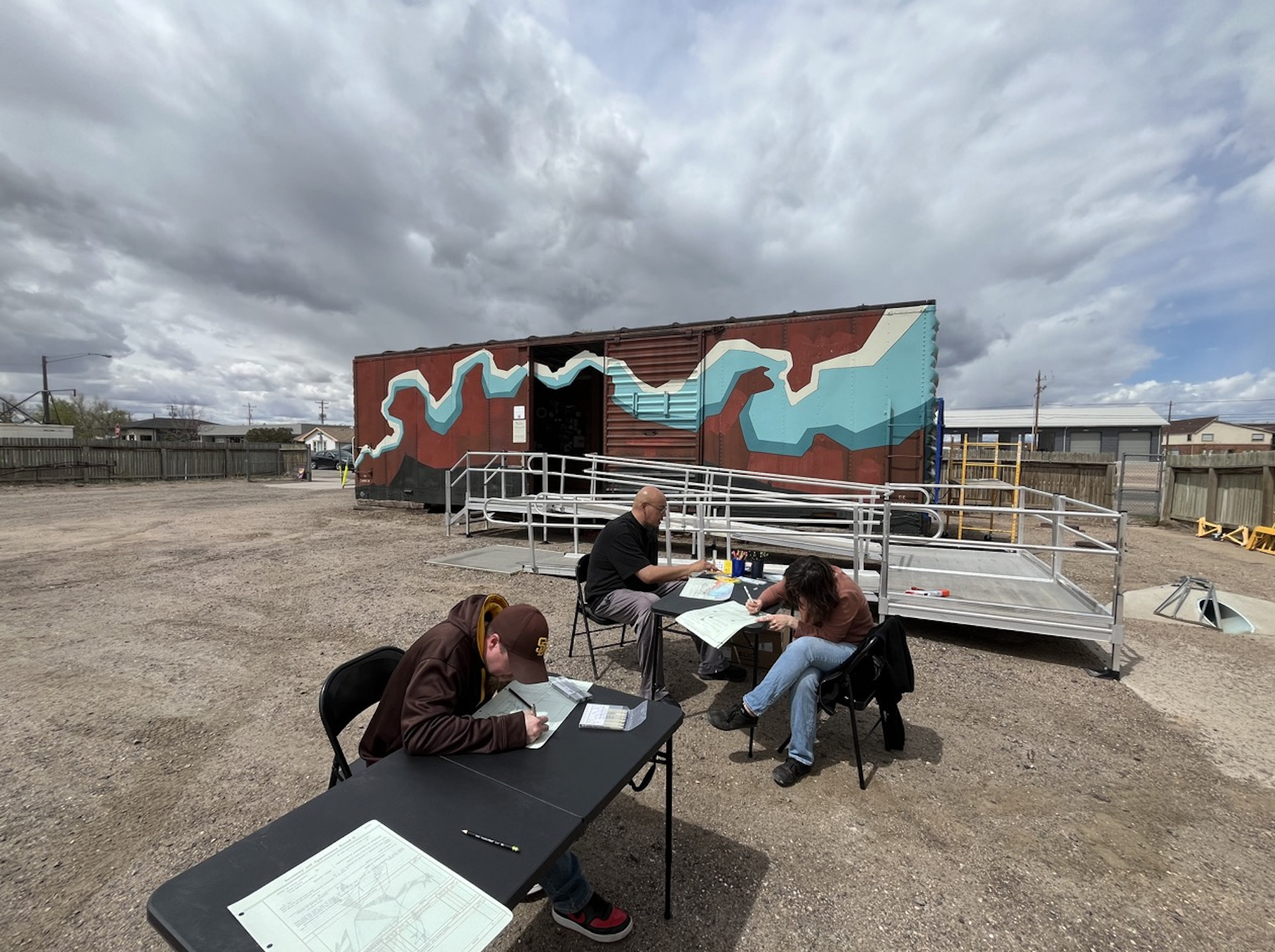
Free and open-to-the-public workshops and events invited community members—recognized here as Creative Knowledge Makers—to generate and share knowledge through multiple modalities. These gatherings centered creativity as a legitimate form of research and valued lived experience as an essential source of insight.
-
Story Circles guided by prompts such as “What labor histories exist in your family?” or “What cultural traditions does your family celebrate?”
-
Oral History Recordings collected in an accessible booth within the train car.
-
Collaborative Mapping of migration routes, worksites, and community landmarks .
-
Archival Recovery of family photos, documents, and objects brought to share.
-
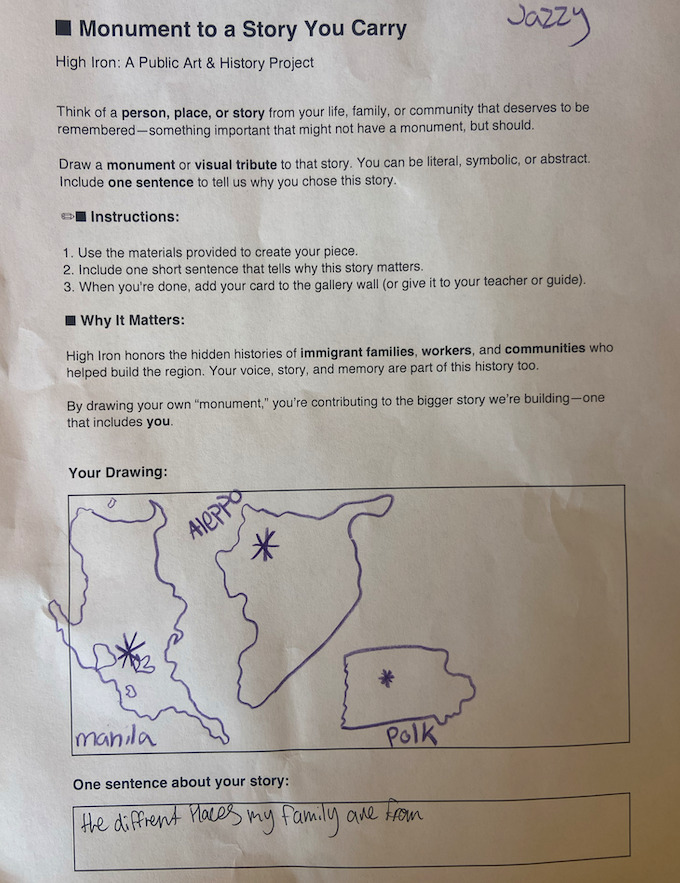
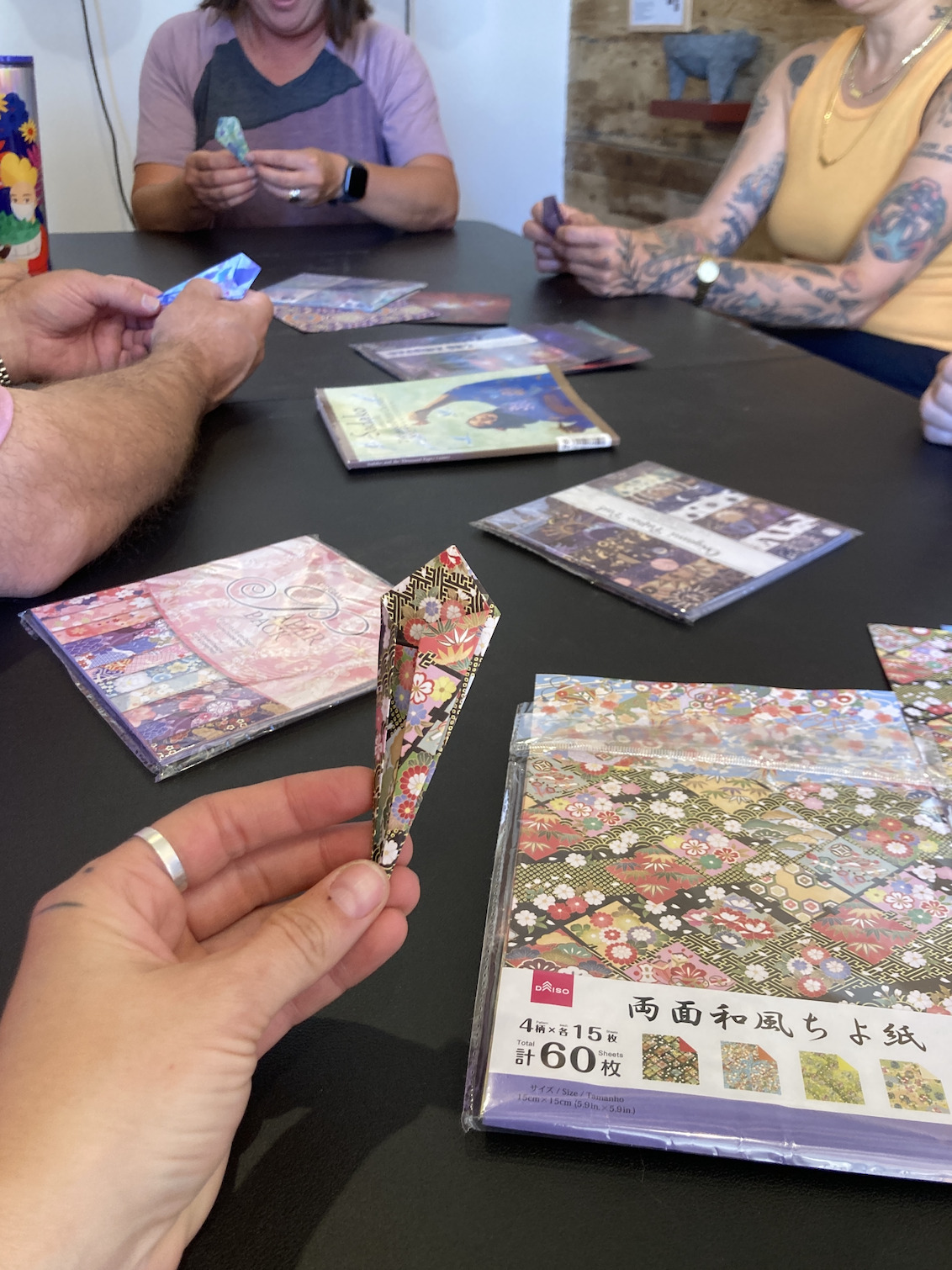
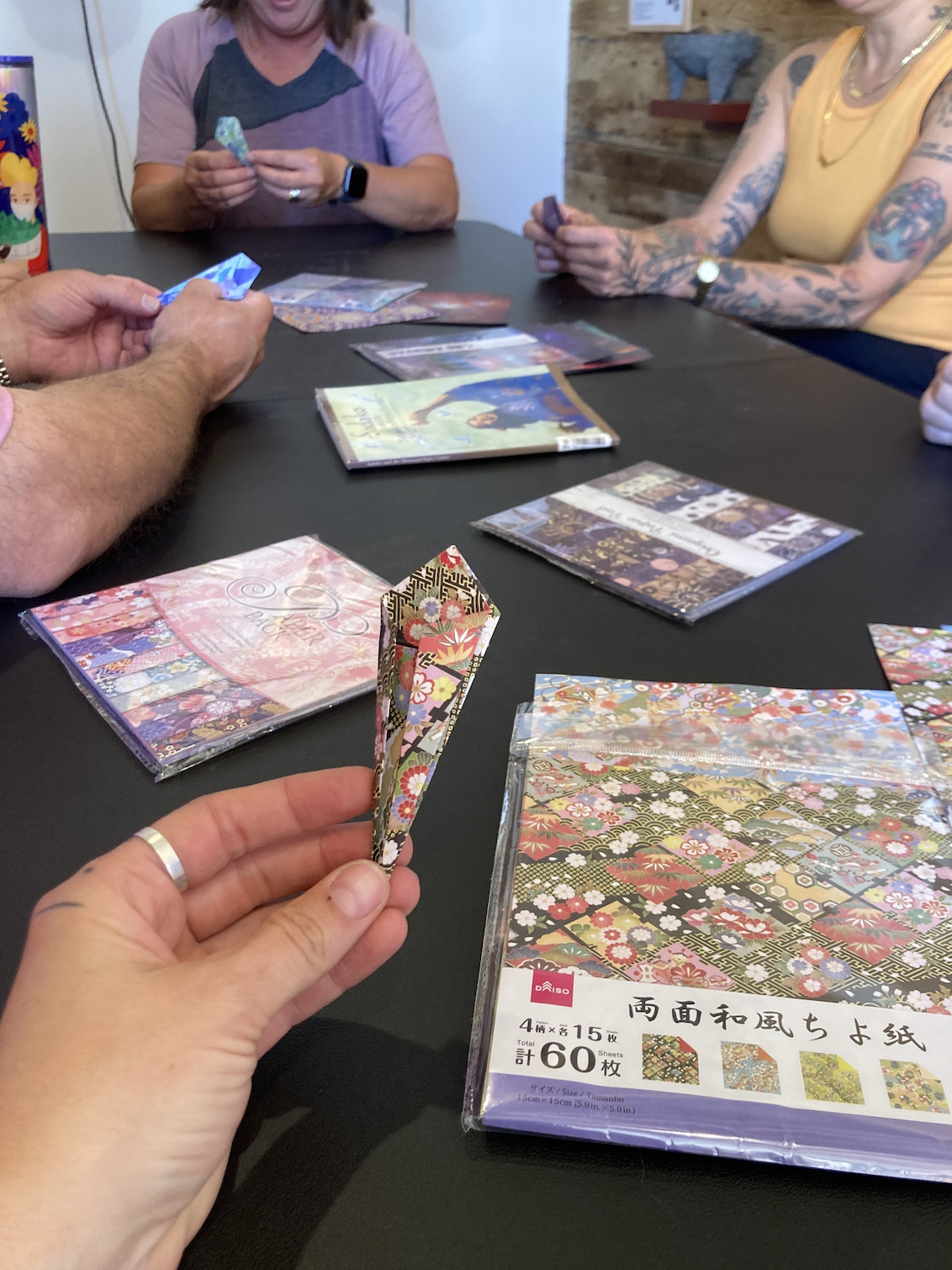
Artmaking activities—quilting, paper folding, photographing, ledger drawing, and monument design—that envisioned new ways to honor immigrant and labor histories.
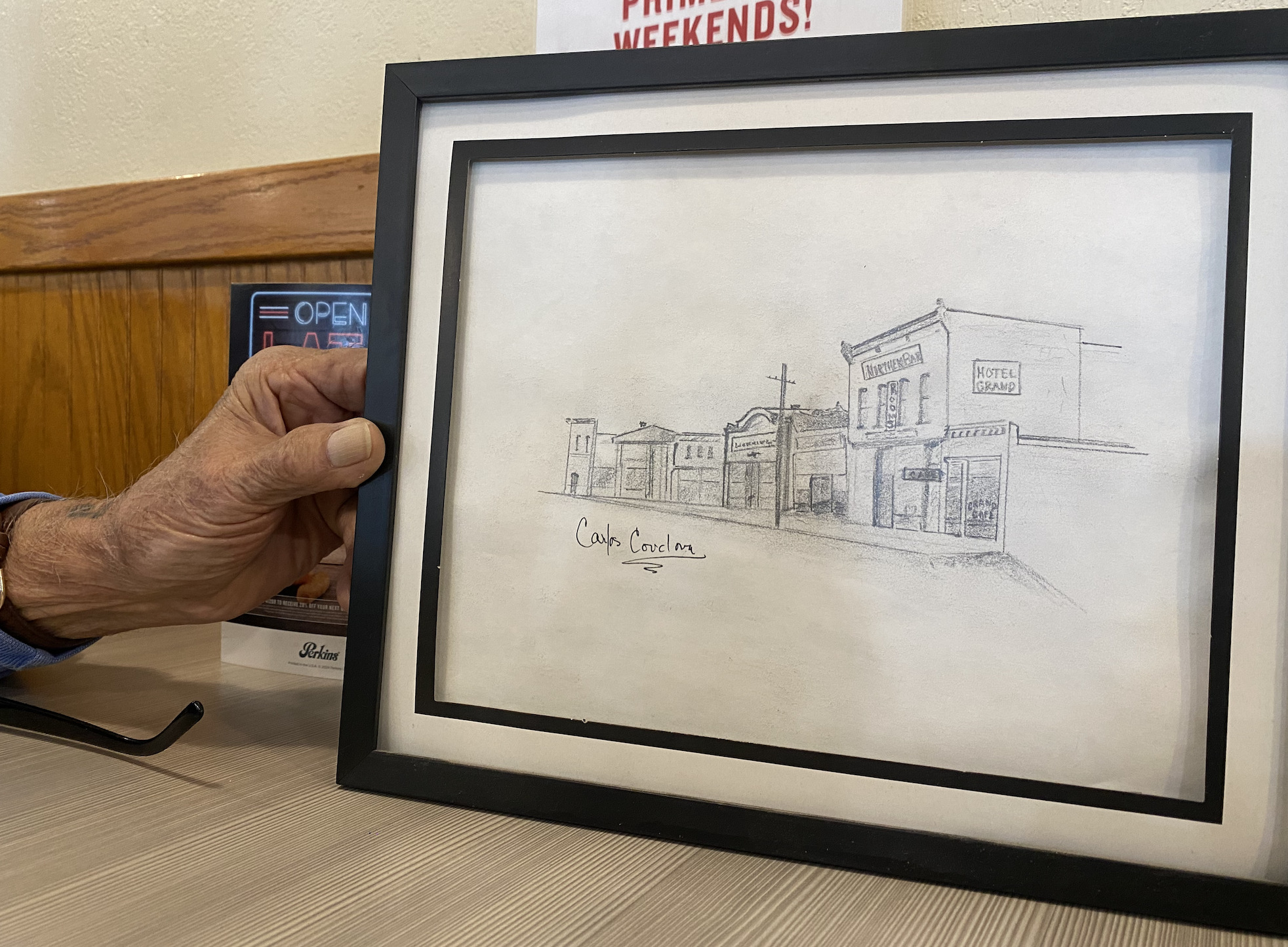
In these sessions, community creativity was the method. Every contribution—verbal, visual, or embodied—was treated as an act of inquiry. A sketch of a remembered mining explosion drawn on a napkin carried as much epistemological weight as a recorded oral history. Each gesture, story, and artwork constituted a form of creative knowledge making: a collaborative process of theorizing experience, interpreting memory, and reshaping how history is publicly remembered.

The richness of this approach surfaced in unexpected moments. In one workshop, a group of high school students was invited to design and draw monuments to their own immigrant ancestors. One student, viewing an installation by a fourth-generation Japanese American descendant that documented her family’s history of railroad labor and incarceration at an internment camp during World War II, was visibly moved. He had not known that Japanese workers helped build Wyoming, and he left eager to share this discovery with his family and friends—an instance of intergenerational knowledge transmission sparked by a stranger’s family story made public. In another session, participants created stereoscopic cards of the current landscape while imagining the historical one, mimicking the photo technology of the era and collapsing time between past and present. During one event, a local folk band connected to railroad labor history played old union songs; participants who had arrived as audience members found themselves singing and playing percussion alongside the musicians, dissolving the line between observer and participant.
Perhaps the most affecting moment of knowledge recovery came when one descendant, in the course of conducting her own archival research prompted by the project, located a transcript at the local Laramie Depot Museum of an interview conducted with her mother Hermalinda—who had worked on the railroad during wartime. She had never heard her mother speak about this work, nor did she know her mother continued to work for the railroad for another decade after the war. While the original audio recording could not be found, the transcript itself was profoundly meaningful: her mother’s words, preserved in writing, restored a piece of family and labor history that had been invisible. This is the kind of knowledge that community-centered, participatory research makes possible.
3. Iteration and Reflection
Documentation of each workshop included photographs, video, sketches, transcripts, and collaborative maps. These records functioned not only as archival materials but as tools for reflection and adaptation. The process was intentionally iterative: feedback from Creative Knowledge Makers, combined with insights drawn from the documentation itself, shaped the design of subsequent workshops and informed evolving exhibition layouts (Kemmis & McTaggart, 2005).
For example, after one session, participants expressed interest in adding their own voices directly within the exhibition space. In response, I installed corkboard panels where visitors could write or draw contributions that became part of the evolving installation.
Reflective practice remained central throughout (Schön, 1983). I continually reviewed documentation to assess accessibility, representation, and engagement, adjusting methods as needed to ensure cultural sensitivity and transparency (Guillemin & Gillam, 2004). This iterative cycle—rooted in observation and participant feedback—mirrors the Creative Knowledge Maker approach, where documentation itself becomes part of the creative inquiry and transformation process.
4. Return
The final phase involved activating the work in public space. The train car hosted dinners, performances, and participatory events where broader audiences could engage with the collective histories gathered.
Knowledge was always returned. Oral histories were archived locally; copies of images were shared with families; and Creative Knowledge Makers were invited to attend and present at activations. These reciprocal gestures ensured that community contributions were not extracted but embedded within the evolving landscape of public memory (Bishop, 1998; Tuck & Yang, 2014).
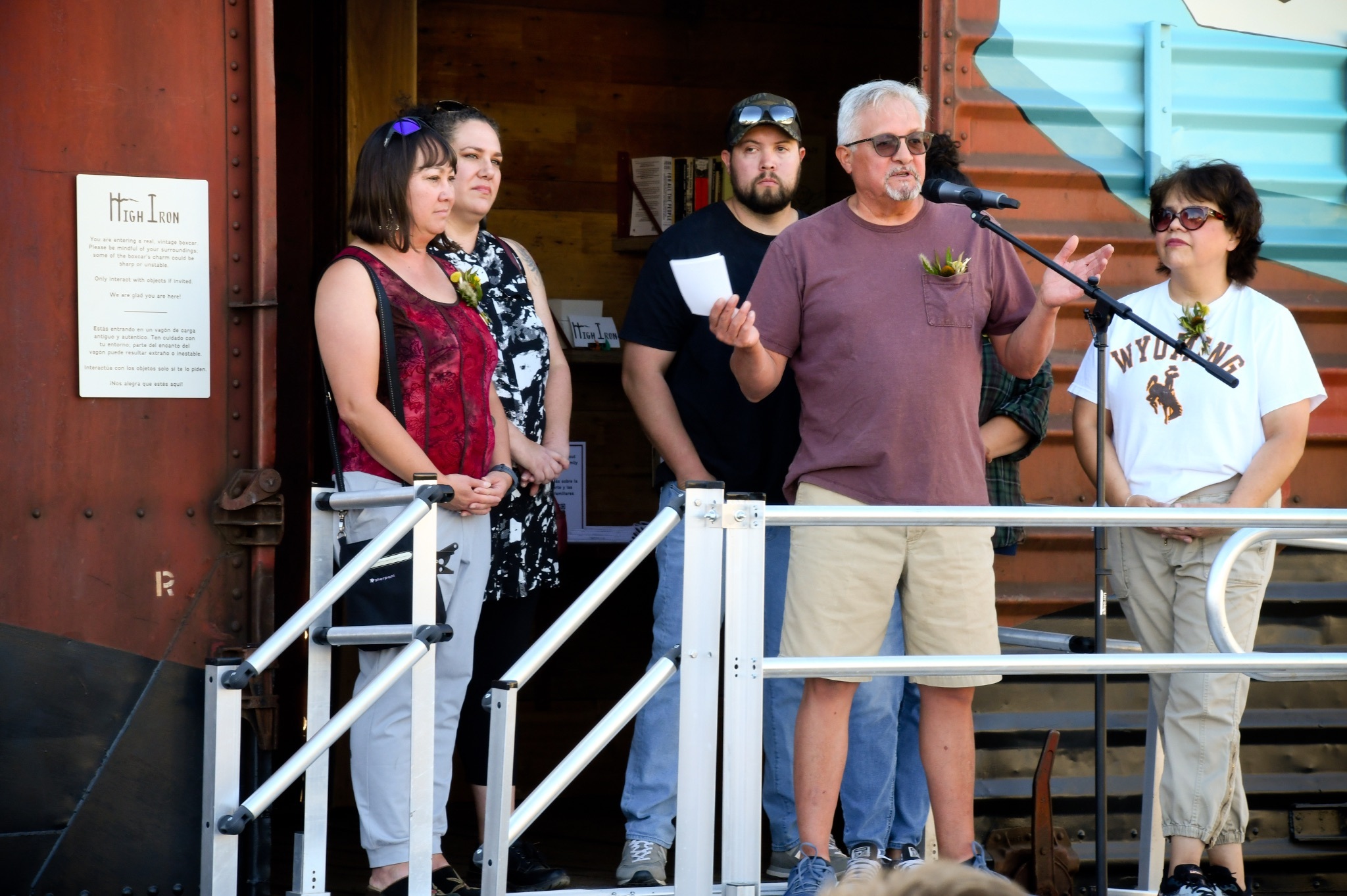
What belonging looked like in practice was tangible and public. At the opening reception, Rubel Vigil—a Mexican American descendant storyteller whose father came up from New Mexico, where he had been a sheepherder before working on the railroad—addressed the crowd. Vigil gestured to the famous photograph of the golden spike ceremony, noting that it contains no image of the Indigenous, Black, Brown, and immigrant workers who actually built the railroad. “But today,” he said, “we get our monument, for the people that actually built the state. This is our monument.” Repair, here, was not metaphorical. It was the first time these communities had been publicly honored in Wyoming’s memorial landscape. And that visibility was generative: as visitors encountered their own ancestors honored on the walls of the train car, they became connectors themselves, bringing others in to see. Belonging, in this project, was not a passive feeling but an active and contagious one.
In this way, High Iron exemplifies how creative research can function as both a scholarly method and a community practice of repair, visibility, and belonging—one in which the act of making personal histories public is itself a form of healing (Brave Heart & DeBruyn, 1998; Connerton, 1989; King, 2003; Lederach, 2005).

Synthesis
Taken together, these four phases illustrate how the Creative Knowledge Maker methodology centers public-humanities values through practice. By integrating ABR’s creative inquiry, CBPAR’s commitment to co-production, and a cyclical process of engagement and return, High Iron models how communities can generate, interpret, and circulate their own knowledge. This approach positions creative practice not as an output of research but as its very form.
But the methodology’s deepest logic is relational. What the four phases trace—from the first coffee with an elder to the final activation—is a gradual transformation in who holds the knowledge and who is empowered to share it. At the outset, the researcher arrives with frameworks, questions, and institutional backing. By the end, something has shifted: the community is not the subject of inquiry but its steward. The researcher’s role has moved from interpreter to facilitator, and then, if the work has succeeded, becomes largely unnecessary. The knowledge ecosystem sustains itself.
This is what it looked like in practice: Rubel Vigil standing before his monument with deep pride. That moment was not the culmination of the researcher’s work. It was the community’s work, made public. The methodology had completed itself not in a report or an archive but in an act of collective claiming. When communities continue to generate, share, and build on their own histories after the researcher steps back, that continuity is the measure of whether the Creative Knowledge Maker framework has done what it set out to do.
This is what distinguishes the Creative Knowledge Maker from models in which community members participate in research but do not own it. The goal is not participation, it is transformation. An adaptable and replicable model for scholars and practitioners, the Creative Knowledge Maker framework asks not only what knowledge was made but who was changed by making it, and whether that change outlasts the project itself.

Toolkit for Replication
The following toolkit distills the High Iron methodology into ten adaptable steps that activate the Creative Knowledge Maker framework. Each step offers practical guidance for translating this process into diverse cultural and geographic contexts.
-
Identify Place & Theme: Begin with a suppressed or overlooked history that resonates locally.
-
Build Partnerships: Collaborate with cultural groups, archives, schools, and descendant communities.
-
Create an Accessible Space: Identify, secure or create a site that invites participation and belonging.
-
Design Story-Gathering Prompts: Keep prompts open-ended, inclusive, and adaptable.
-
Facilitate Participatory Activities: Use multimodal methods that invite diverse ways of knowing; recognize participants as Creative Knowledge Makers.
-
Document Broadly: Value all forms of data—verbal, visual, embodied, affective, sonic.
-
Iterate with Feedback: Share back interim findings; adapt collaboratively.
-
Translate into Public Outputs: Transform materials into artworks, installations, or performances.
-
Activate Publicly: Share outputs through community events where Creative Knowledge Makers co-present and interpret their own histories.
-
Return & Archive: Ensure knowledge circulates back to those who generated it through archives, copies, and ongoing relationships.
This ten-step sequence is not a rigid recipe but a flexible and transferable toolkit. Practitioners can adapt it to different scales, resources and culture contexts— climate memory in coastal communities, Indigenous land stories, migrant foodways, and neighborhood histories. Its core principles remain constant: community engagement and partnership, participatory inquiry and data generation, iteration and reflection, and return. Practitioners seeking deeper engagement with the methods described here may find Leavy (2017) and Israel et al. (1998) particularly useful starting points
Reflections and Evaluation
High Iron demonstrated the potential of community members to act as Creative Knowledge Makers while also revealing the complexities of participatory research. Evaluation emerged through both participant feedback and community response. Participants expressed pride in seeing their families represented in public art; multigenerational audiences attended events; and local institutions requested traveling exhibitions.
The challenges encountered were often structural rather than interpersonal—a distinction that is itself methodologically significant. Because descendant storytellers were embedded in the project from the outset, with full authority over what was shared and how, representational conflicts and consent crises were largely forestalled rather than managed after the fact. When a descendant storyteller initially agreed to share a family history but later chose not to, that decision was honored without question or negotiation. Zero coercion was not merely a principle but a practice, and it required building the kind of trust that makes withdrawal feel safe. The more persistent challenges involved navigating changing funding landscapes, coordinating across institutional partners with different timelines and priorities, and balancing the artistic coherence of the installation with the organic, sometimes unpredictable directions that community co-creation takes (Guillemin & Gillam, 2004). In each case, the strategy that proved most effective was returning to the project’s core commitment: when in doubt, follow the community’s lead.
Conclusion
High Iron demonstrates how art can function as a research method — not only as an expressive output but as a form of inquiry, knowledge generation, and community transformation. By positioning community members as Creative Knowledge Makers, the project merges ABR with CBPAR to create something rarer than a monument: a living methodology, one that continues to generate meaning after the scaffolding comes down.
The toolkit offered here is practical by design, but the deeper invitation is philosophical. To work this way is to accept that the researcher is not the most important person in the room. It is to trust that communities hold the knowledge they need to tell their own stories, and that the researcher’s most significant contribution may be creating the conditions under which that telling becomes possible.
We continue to witness history itself being contested, erased, and remade (Lowenthal, 1985; Trouillot, 1995). High Iron offers a model for how participatory, arts-driven projects can intervene in the landscapes of official and collective memory — not by replacing one dominant narrative with another, but by expanding whose stories are being told, and retold. The result is not a fixed monument but an ongoing conversation: spaces of presence, dialogue, healing, and collective belonging that communities can enter, contribute to, and carry forward long after the train car moves on.