

Background and Significance
Health disparities persist in distressed communities, where high incidence rates of chronic conditions, low health literacy, and systemic inequities converge to produce poor health outcomes (Braveman et al., 2022; Hotez et al., 2021). Baltimore’s distressed communities rank last on key health outcomes among Maryland jurisdictions, with heart disease, cancer, and stroke as leading causes of death, compounded by poverty, limited educational attainment, and inadequate access to healthcare (BCHD, 2018; Hickey et al., 2018). These conditions are not incidental, but they reflect a sustained history of exclusion and disinvestment that continues to shape the lived experiences of Baltimore residents.
Addressing these gaps requires more than traditional health interventions; it demands community-centered approaches that meet people where they are. Barbershops have long served as trusted spaces for open dialogue, reciprocal exchange, and cultural connection in distressed communities. The Conscious Heads Barbering Bootcamp recognized this potential and sought to harness it by integrating participatory, culturally tailored health literacy strategies directly into barber training, which positions community members themselves as the primary drivers of health literacy dissemination.
Barbershop interventions have proven to be effective in promoting health among Black men, leveraging the cultural significance of barbershops as trusted community spaces. Wippold et al. (2024) highlight the Clean Cuts and Sharp Minds Collective (CCSMC), which aims to train barbers as lay health advocates and research partners, demonstrating high organizational readiness and enthusiasm among barbers in South Carolina to engage in health promotion (Wippold et al., 2024). Similarly, Linnan et al. (2014) emphasize the potential of barbershops to address health disparities, noting that barbers and their clients are willing participants in health interventions and that such settings are promising for reaching minority populations.
The study by Ogborn et al. (2022) underscores the pivotal role that barbershops can play in supporting men’s mental health, particularly during challenging periods such as the COVID-19 pandemic. The research, conducted in the UK, reveals how barbershops provide a unique and supportive environment where men feel comfortable discussing personal issues, thus fostering mental well-being. The study identifies barbershops as more than just places for haircuts; they are community hubs where meaningful conversations can occur, promoting good mental health. Barbers themselves noted the worsening mental health among clients during the pandemic and recognized the potential of their role in providing mental health support. The study advocates for formalizing these interventions, suggesting that barbershops can serve as effective venues for mental health promotion and prevention strategies, thus highlighting their importance in public health initiatives (Ogborn et al., 2022). Collectively highlight the unique position of barbershops as effective venues for health education and intervention, particularly for underserved communities.
The Gap. These health literacy and equity gaps are addressed more informally by barbershops that have historically branded the role of providing a safe space to communicate. Barbers have also played an important role in dismantling the effects of past trauma by delivering innovative collaboration models grounded in respect and reciprocal exchanges of information, resources, and support, superseding conventional methods of health literacy and promotion. Existing interventions demonstrate the feasibility of improving health literacy among higher-risk populations. However, research still needs to be developed and interventions tested to establish the impact of equitable health literacy communication via barbershop training and community engagement efforts. The Conscious Heads Barbering Bootcamp project comprises a health literacy intervention research and focuses on a) improving the quality of health communication that reaches diverse populations, particularly when improving home-grown barber talent; b) enabling barber stakeholders to develop transferable skills in accessing, understanding, analyzing, and applying health literacy information and strategies; and c) ensuring that priority is proportionate to need by reaching and engaging the population groups who are disproportionally affected by low literacy.
Participatory Contribution Through the Lens of the Barber Community
This project exemplifies participatory research by actively engaging community stakeholders, which include barbers, barber apprentices, community health nurses, and health literacy specialists as co-contributors across every phase of the research process. Rather than positioning community members as passive subjects, the backward design and participatory action research (PAR) framework employs barbers aged 14–50 to help identify health literacy gaps, co-design culturally tailored interventions, and evaluate outcomes through the use of focus groups and hands-on activities. The collaborative structure brought together three key organizations comprising Morgan State University, Holy Nativity, St. John’s Development Corporation, and Conscious Heads Barbershop to ensure that problem identification, strategy development, and dissemination of findings all reflected the lived experiences and cultural context of Baltimore’s distressed communities. This trust-based, multi-stakeholder partnership transformed barber students from learners into empowered community health advocates, embodying the participatory principle that every person’s contribution holds value in the co-creation of knowledge.
Project design
Backward design as a participatory method within a PAR approach
Participatory action research (PAR) is built on three core principles: participation, action, and research (Benjamin-Thomas et al., 2018). This research design supports a social justice mission “grounded in radical and liberatory traditions” (Dancis et al., 2023, p. 1). Participatory action research (PAR) is a method that empowers barbers, in this case, to question and transform traditional yet dominant viewpoints. It involves three key changes: (1) raising critical awareness among barbers about their work and community impact; (2) fostering the growth and development of both barbers and their clients as co-researchers; and (3) enhancing the lives of everyone involved, while reshaping relationships and societal structures within the barbering industry (Macdonald, 2012; McNiff & Whitehead, 2012). The PAR aims to be liberating, helping barbers break free from existing limitations. When barbers lead PAR, it allows them to express their voices and participate in decision-making processes (Wright et al., 2021). This approach provides a platform for barbers to collaborate as co-researchers, actively working towards solutions that deeply support distressed communities (Bettencourt, 2020). In PAR, barbers of all ages can come together, using their experiences to explore and tackle challenges. Research has shown that PAR can enhance community involvement, critical thinking, trust, and the social and emotional growth of various participants, and foster leadership skills (Anselma et al., 2020; Buckley-Marudas & Soltis, 2019; Chou et al., 2015). In our initiative, we introduced the PAR design to barbers aged 14-50 to help them develop research skills, design their own projects, and implement action-oriented plans to address the challenges they face in their shops and communities.
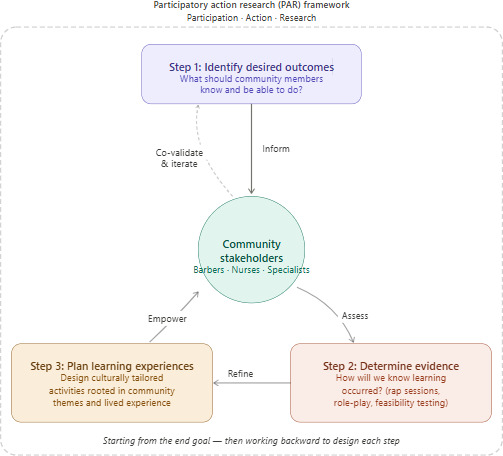
Backward design is essentially a “plan from the finish line” approach to teaching and learning. Instead of starting with a lesson and hoping people learn something useful from it, you flip the process by first deciding exactly what you want people to know and be able to do when it’s all over, and then you build everything else around reaching that goal. Implementing backward design in PAR aligns activities with objectives from the start, enhancing research outcomes and fostering community change. This method boosts barbers’ health literacy and communication, particularly in distressed areas, by first identifying desired outcomes like understanding health issues and effective communication. Assessment strategies, including role-playing and “barber rap sessions,” evaluate barbers’ skills. Instructional activities follow, with workshops on health education and communication. Collaborating with health professionals during sessions helps identify culturally sound strategies, empowering barbers as community health advocates.
The diagram illustrates how backward design operates as a continuous cycle within the PAR framework. The three steps flow from identifying what the community should ultimately know and be able to do, to determining how learning will be assessed (through rap sessions, role-play, and feasibility testing), to planning the culturally grounded activities that make those outcomes possible. Community stakeholders (barbers, nurses, and health literacy specialists) sit at the center, both informing the design and being empowered by it. The dashed loop back to Step 1 reflects the co-validation and iterative refinement that is central to PAR’s participatory spirit.
The Backward Design Process via PAR Framework

Objective
This project details the integration of health literacy education into barber training, specifically in the Conscious Heads Barbershop Bootcamp curriculum, using an innovative approach to enhance community health engagement. The project aimed to (1) significantly enhance sustainable health literacy messages and activities that aid distressed community members when negotiating optimal health outcomes, (2) identify best practices that bolster distressed communities in Baltimore, Maryland, through culturally tailored health communication within barbershop settings, and (3) enable barber students to integrate a health literacy intervention. The ultimate educational product aims to bridge the gap between barber training and community health advocacy, while actively engaging and empowering barbers to serve as trusted health communicators within their communities. Through this project, we aimed to demonstrate the application of backward design intervention intertwined with a participatory action research (PAR) approach, reflecting on its strengths and limitations.
Creating a core team
Before the funding acquisition process, the project proposal was conceptualized by the co-PI (Holy Nativity and St. John’s Development Corporation community liaison) upon evaluating the Conscious Heads Barbershop Bootcamp for potential curricular gaps. From this evaluation, it was determined that gaps in health and financial literacy needed to be addressed in the curriculum. The gaps relative to financial literacy were addressed by hosting a series of workshop trainings to assist in developing the barber students’ financial negotiation and entrepreneurship skills relative to growing the profession of barbering. However, addressing the health literacy gaps required funding to grow and sustain efforts of educating communities through student barber apprenticeship training and development.
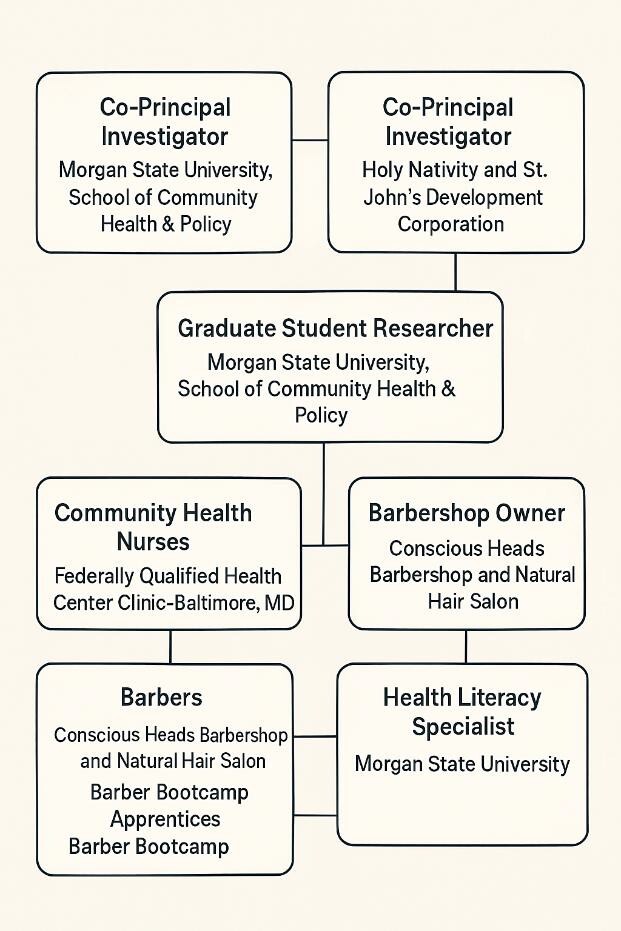
The three main organizations involved were Morgan State University, an HBCU in Baltimore, Maryland; Holy Nativity and St. John’s Development Corporation; and Conscious Heads Barbershop and Natural Hair Salon, a barbershop bootcamp that serves mainly distressed areas of Baltimore, Maryland through apprenticeship training and providing services.
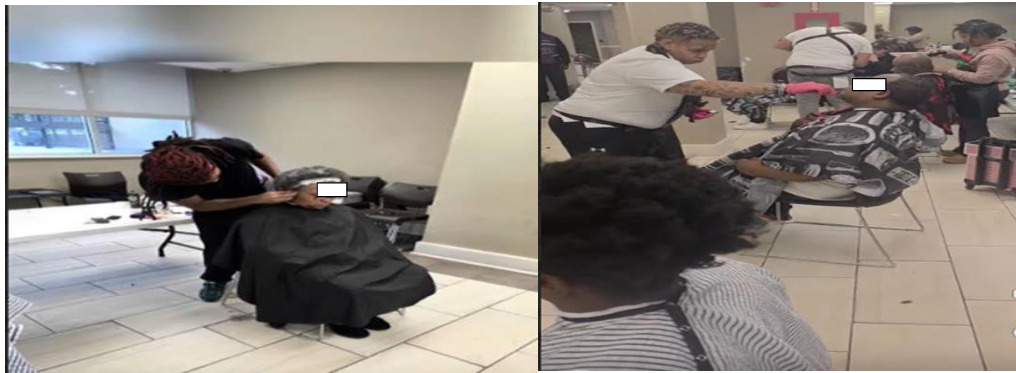
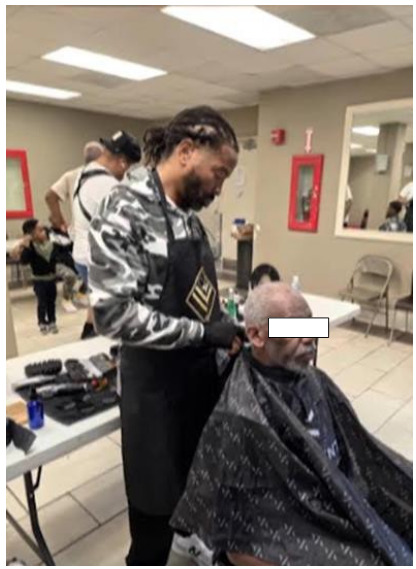
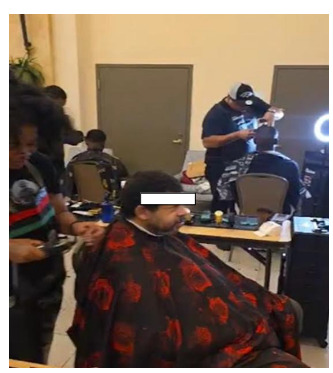
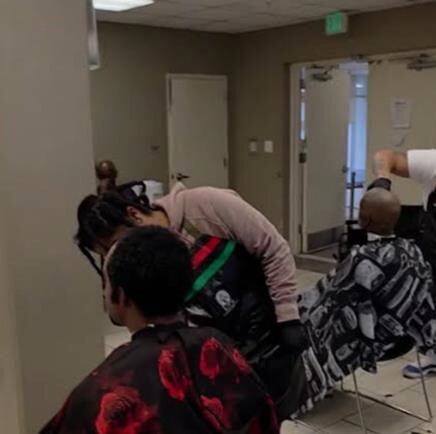
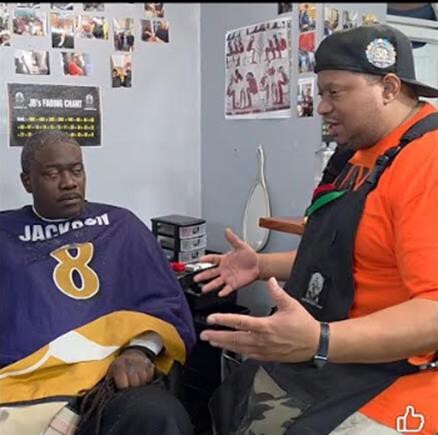
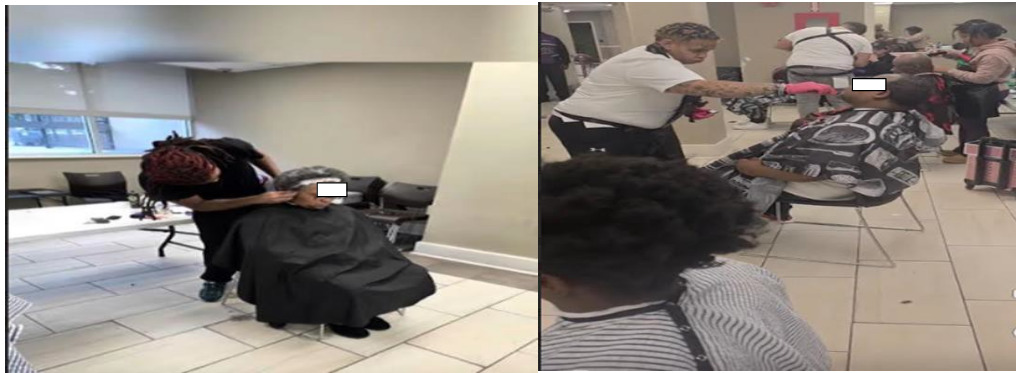
Specifically, the barber bootcamp apprentices were instrumental because of their direct engagement with distressed Baltimore city community members, as seen in Figure 1. The other participants, including community health nurses, health literacy specialists, barbers, and barber students, were recruited and then participated in a compilation of focus groups and backward design activities to support the project’s goal of incorporating innovative community engagement health literacy interventions.
The Team

Project Implementation
The overall outcomes of this pilot are four-tiered, each building analytically on the previous to move from community appraisal to co-design, feasibility testing, and ultimately community dissemination. This scaffolded structure reflects a deliberate qualitative progression beginning with listening, moving toward co-creation, and culminating in action, which is consistent with participatory action research principles. The first expected outcome supported the appraisal of culturally tailored health literacy communication strategies that inform the barbershop training curriculum, as evidenced by four focus groups involving barbers, community nurses, and health literacy specialists. The second anticipated outcome presented strategies for student barbers to identify and address health literacy gaps using the backward design intervention, supporting the distressed community’s understanding of chronic and infectious diseases. The third anticipated outcome offered barber students the opportunity to test the feasibility of activities across four evaluative components: confidence, acceptability, feasibility, and fidelity. The fourth and final outcome aided in disseminating findings to inform and empower distressed community members, hence bridging gaps in health literacy communication.
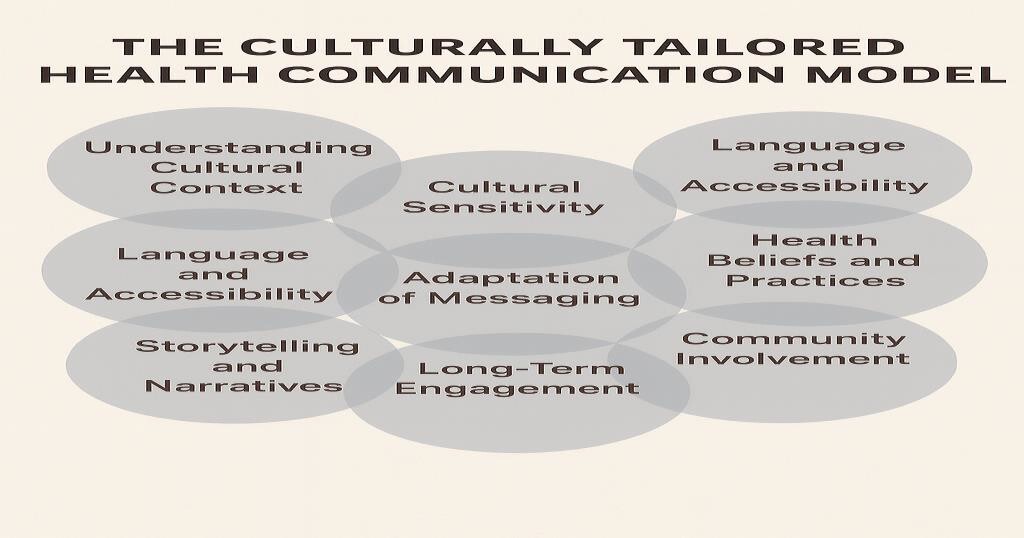
.Tier 1 Phase: Communication Appraisal. The team utilized the culturally tailored communication model to support focus group dialogue interpretation, not merely as a facilitation guide, but as an analytical lens through which patterns of community need, cultural identity, and health communication were identified and coded. The model, which centers collaboration and open dialogue, was used to construct an instrument organized around three thematic domains: barber history, contemporary barbershop culture, and community health challenges. This instrument served as both a data collection tool and an analytic framework, enabling the team to surface culturally grounded themes that would directly inform subsequent intervention design.
Four focus groups were developed and included barbers (10), community health nurses (2), and health literacy specialists (2), held at Morgan State University. Each participant group was selected for its distinct positionality within the community health ecosystem. Community nurses contributed clinical expertise and community trust; health literacy specialists ensured that emerging health messages were both medically accurate and accessible; and barbers, as informal community leaders embedded in social gathering spaces, provided insider knowledge of how health information naturally flows and stalls within distressed communities.
The team utilized the culturally tailored communication model to support focus group dialogue interpretation. The model appraises collaboration, open dialogue leading to an overall understanding of the population’s unique needs. The model was used to create a dialogue instrument through a series of questions relative to the barbershop community and engagement efforts (i.e., barber history, contemporary, and health challenges) in an innovative effort to promote culturally tailored health messages.

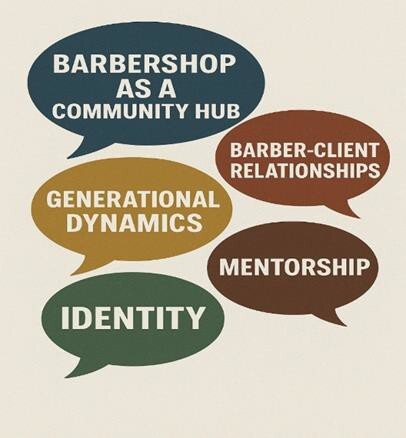
The design was centered around open dialogue, particularly through the “barbershop rap” format, which facilitated discussions in barbershops, creating a comfortable space for participants to share their health views. The “barbershop rap” format was not simply a discussion technique but a culturally resonant method for eliciting authentic dialogue. This approach encouraged active participation and fostered an environment of mutual learning. Storytelling was another powerful tool, with participants sharing personal stories and community narratives to explore how cultural beliefs influence health practices and perceptions. Storytelling served as a qualitative data source, revealing how cultural beliefs, generational norms, and lived experiences shape health perceptions and practices. Emphasizing community involvement, the initiative engaged community members in conversations about interpretations of a barbershop from the barber, nurses, and health literacy professional perspectives, generation dynamics, barber-client relationships, mentorships, their own and their families’ health.
Community Partner Contributions to Analytic Decisions and Co-Validation of
Findings
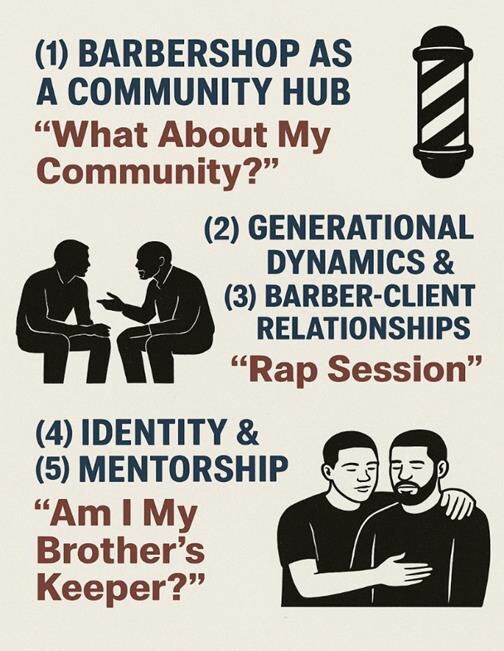
A defining feature of this project’s participatory integrity was the active role community partners and barber participants played not only as data sources, but as co-analysts and co-interpreters throughout the research process. Rather than receiving findings after the fact, barbers, community health nurses, and health literacy specialists were engaged in iterative feedback loops that shaped both the analytic direction and the refinement of the intervention itself. Specifically, the five themes emerging from the Tier 1 focus groups, such as “barbershops as a community hub”, “generational dynamics”, “identity”, “barber-client relationships relative to health”, and “mentorship”, were not finalized by the research team alone. Barber participants were invited to review and affirm these themes as reflective of their lived experiences, ensuring that the framework carried community legitimacy rather than solely academic interpretation.
This co-validation process directly informed the selection and design of the three Tier 2 backward design activities, which were refined in response to barber feedback on relevance, cultural fit, and feasibility. Moments of shared decision-making were also evident in the Tier 3 feasibility phase, where barber students’ open-ended responses were used not merely as evaluation data, but as a basis for critically reconsidering which instructional strategies warranted continuation, modification, or expansion. This ongoing dialogue between the research team and community stakeholders reflects a genuine commitment to participatory co-ownership of the knowledge produced, a principle central to PAR methodology and essential to the credibility and sustainability of community-based health literacy interventions.
Visual tools were also used to enhance understanding and retention, tailored to reflect cultural contexts and increase engagement. The integration of community nurses, health literacy specialists, and barbers proved highly successful in health promotion, demonstrating the potential for this model to be replicated in other communities for broader impact.

Tier 2 Phase: Backward Design Activities. Building directly on the thematic findings from Tier 1, the Tier 2 phase translated qualitative insights into structured learning experiences through the backward design framework. Rather than designing activities arbitrarily, the team used the five Tier 1 themes as the analytic foundation for five corresponding topics of discussion. This deliberate alignment ensured that the intervention remained grounded in community-generated knowledge rather than externally imposed curricula. Three of the five activities proved most analytically significant in surfacing health literacy gaps: “Rap Session,” “What About My Community?”, and “Am I My Brother’s Keeper?”

“Rap Session” operationalized the Tier 1 themes of generational dynamics and barber-client relationships by engaging barber students in critical reflection on the barbershop’s historical and contemporary role. The backward design process began with a clear desired outcome: that students would demonstrate an appreciation for the barbershop as a culturally significant health communication platform. The “One Word…One Phrase” storytelling activity served as both an instructional tool and a qualitative data point, revealing that mental health emerged organically and consistently as the most pressing community concern.

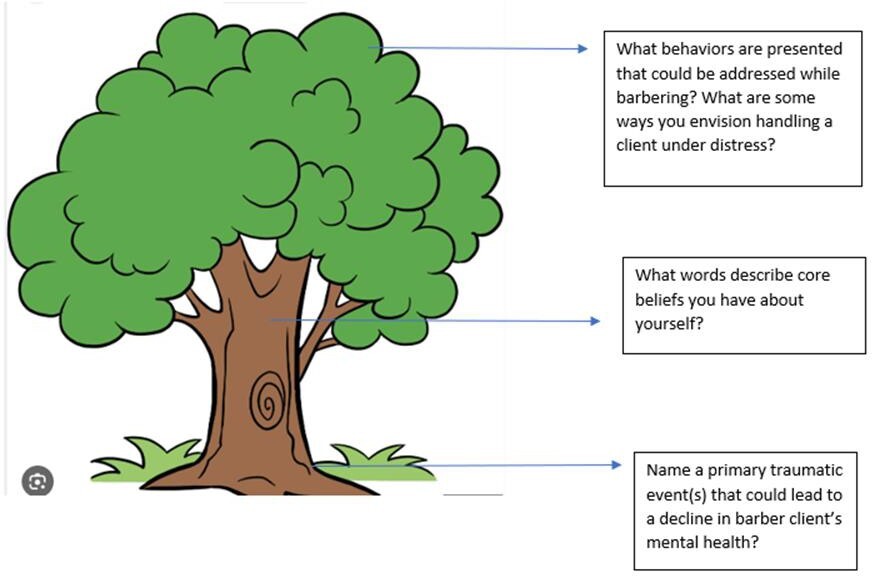
Student responses, such as “These cats are wilding out here” and “Having nothing to do…makes you that way,” were analytically significant, reflecting awareness of environmental and social stressors as drivers of mental health challenges in distressed communities. The Trauma Tree activity further deepened this analysis by asking students to externalize their understanding of trauma, producing observable data on how barber students conceptualize mental health within their client interactions. The barber students were asked the following questions, and expected to place their cards in the areas indicated below in Figure 5.

“What About My Community?” extended this analysis by shifting students from awareness to action. Grounded in the Tier 1 theme of the barbershop as a community hub, the activity challenged students to apply health literacy concepts to real community problems, using a social media campaign as both a learning artifact and an assessment of their capacity to translate knowledge into community-facing communication. Student engagement in group brainstorming and their proposal of concrete solutions, such as health events and mobile clinics, served as evidence of growing health literacy competency.
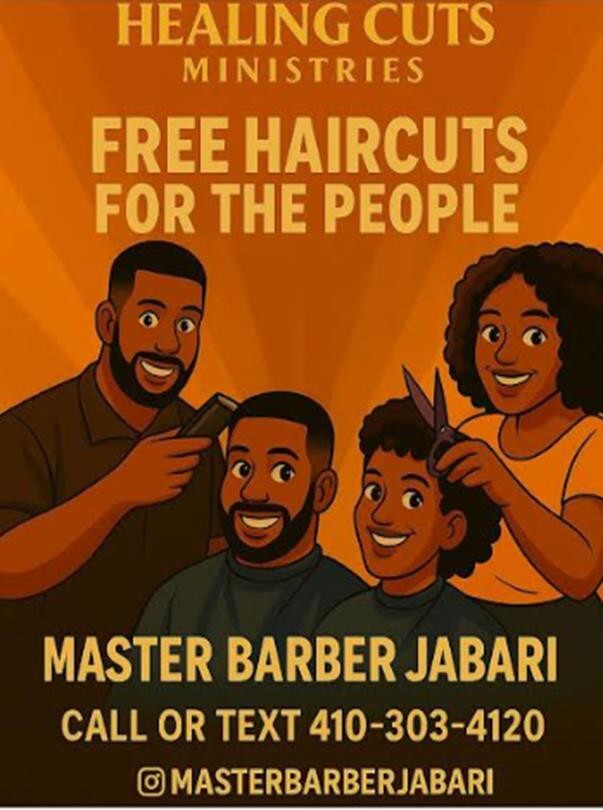
The organic connection between this activity and the subsequent Healing Cuts Ministry partnership with Brentwood Housing Development demonstrates a critical finding of this project: that when barber students are engaged as co-designers rather than passive learners, their health literacy learning translates directly into sustained community action. The Healing Cuts Ministry is an innovative initiative based in Baltimore, focused on enhancing health literacy and community healing through personal care services. This outreach program partners with local barber schools to provide free haircut services to housing-insecure residents, using the act of grooming as a bridge to wellness. The ministry aims to improve access to personal care, promote health literacy, and foster a sense of community. Barber students gain practical experience while developing empathy and social responsibility by engaging directly with residents. Additionally, the ministry offers health literacy workshops covering topics like hygiene, nutrition, and mental health, empowering individuals to make informed health decisions. By creating an inclusive and supportive environment, Healing Cuts Ministry not only addresses the immediate needs of individuals but also nurtures community ties and reduces stigma associated with housing insecurity. Through collaboration with local shelters and health organizations, the ministry ensures its services are comprehensive and tailored to community needs, playing a vital role in uplifting and empowering individuals in Baltimore.
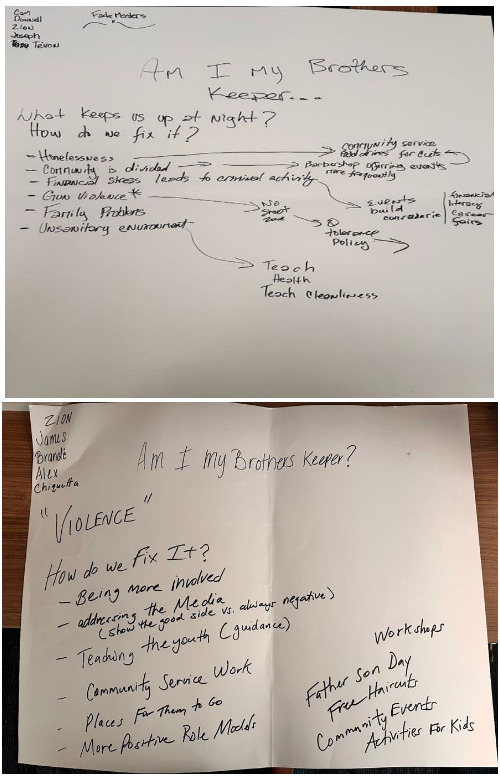
“Am I My Brother’s Keeper?” addressed the Tier 1 themes of identity and mentorship by situating students within a scenario of community responsibility. The backward design goal to cultivate a sense of solidarity and collective accountability was assessed through the quality of students’ action plans addressing gun violence. The group presentations and reflection sessions revealed that students were able to connect individual behavior to systemic community challenges, a sophisticated analytical skill that is central to effective health advocacy. Taken together, the three activities collectively demonstrate a qualitative shift in student orientation: from barber-as-service-provider to barber-as-community-health-agent.

Facilitators provided structured feedback across all three activities, using a four-component feasibility scale (confidence, acceptability, feasibility, and fidelity) to systematically evaluate the intervention’s effectiveness. This evaluation framework served as the primary analytic tool for Tier 3, enabling the team to assess not only whether students completed the activities, but whether the activities produced meaningful, transferable learning. Responses were collected via QR code-linked scaling instruments, allowing for structured yet accessible data capture within the barbershop learning context.
Results of the Feasibility Testing. Based on the evaluation categories provided, barber students reflected positively on their participation in the health literacy programs. In terms of Confidence, many students reported feeling increasingly comfortable discussing health literacy topics and felt prepared to engage with community members effectively. Regarding Acceptability, students found the backward design intervention engaging, particularly appreciating hands-on components and real-life applications, although some noted that certain theoretical aspects were less captivating. For Feasibility, students highlighted the accessibility of practical sessions as beneficial, though some initial challenges included adjusting to the length of interventions, which they found manageable over time with proper pacing. In the area of Fidelity, participants felt they acquired essential skills necessary for supporting community health needs, though some suggested that additional resources or examples could enhance their understanding further. Overall, the experience was seen as valuable and empowering, enhancing their ability to contribute positively to community health literacy.
Questions and Answers for the Feasibility Testing for Barber Student Apprentices
Question 1. Effective strategies for discussing health literacy with community members emphasized engagement, interaction, and inclusivity. Hosting events focused on community cleanliness and personal hygiene, alongside fun activities, encouraged openness and participation. Round table discussions and open forums, moderated to ensure respect and inclusivity, allowed diverse perspectives to be shared, fostering understanding and empathy. Interactive sessions, particularly those that demonstrated rather than just explained, enhanced comprehension and retention. Small group workshops facilitated deep discussions and personalized learning, showing individuals the personal benefits of improved health literacy. Listening to all voices enriched the dialogue, as community members contributed valuable insights and information.
Question 2. Many found comfort and confidence while delivering health literacy information, particularly when discussing topics like personal hygiene or safe sex in familiar environments such as barbershops. The sense of ease often stemmed from shared backgrounds or experiences, as in the case of speaking with youth in programs where commonality fostered a “no judgment” environment. Additionally, thorough preparation and research instilled a sense of confidence, ensuring that discussions were well-informed and aligned with the audience’s perspectives.
Conversely, some expressed uncertainty due to a lack of prior experience in such discussions.
Question 3. The backward design activities that captivated participants the most included sharing personal journeys to becoming barbers, which highlighted individual transformations from disinterest to pursuing licensure. Engaging discussions arose from reading and reflecting on diverse quotes, allowing participants to express and exchange varied opinions. A group project on “Am I My Brother’s Keeper” demonstrated the power of teamwork and underscored the potential for community improvement through collective effort. Timelines charting participants’ paths to barbering offered insights into diverse motivations and decisions, while collaborative poster-making on community issues fostered a shared understanding of local challenges. The activities emphasized the importance of listening to varied perspectives and sharing personal stories, which provided a deeper understanding of current personal and community contexts.
Question 4. Participants generally found the backward design activities engaging and interesting, with many expressing that there were no parts they found less engaging. They appreciated every aspect of the activities, indicating a high level of engagement and interest throughout the sessions. The class and the event were described as very engaging, and several participants explicitly stated that they loved every part of the activities. However, one participant noted that PowerPoint presentations were less engaging compared to other parts of the activities.
Question 5. Participants found various aspects of the program easy to understand and use. Interactive and group activities, such as using large papers and markers, group discussions, and debates, were highlighted as particularly accessible. These activities were appreciated for their collaborative and engaging nature, which facilitated understanding. Additionally, the straightforwardness of reading quotes about barbershop culture and the opportunity to share personal stories were noted as making the program feel inclusive and enlightening. Overall, the program’s elements that encouraged interaction and dialogue were perceived as easily accessible and impactful.
Question 6. Participants generally did not find the activities difficult or challenging, with many expressing that the activities were digestible and easy to follow. Some participants noted that the timeline activity, which required talking about themselves, was slightly uncomfortable due to personal humility. However, this discomfort did not significantly affect their overall experience.
Most participants felt that the time spent on the program was appropriate and beneficial, as it encouraged them to think about becoming mentors in their community and provided a clear understanding of the topics covered.
Question 7. Participants successfully learned various skills from the activity, including community building, which helped them identify problems and create solutions. They developed the ability to agree to disagree, enabling them to engage in intelligent, peaceful discourse.
Improved communication skills and the ability to listen to others before making judgments were emphasized, fostering a more inclusive and understanding environment. The activity also enhanced their social skills, allowing them to better express personal thoughts in group settings and interact with diverse perspectives. These skills proved useful in fostering more effective and empathetic interactions within their communities.
Question 8. Participants generally felt that they understood the activities well and did not require additional resources or support to enhance their comprehension. Most expressed satisfaction with the clarity and straightforward nature of the activities. While some suggested that incorporating videos or interactive games like Kahoot could potentially increase engagement, the majority praised the effectiveness of the facilitation by Mr. Alvin Blake and Mrs. Robin. Overall, participants reported that the activities were well-structured and comprehensible, contributing to a positive learning experience.
Tier 4 Phase: Informing and Empowering Distressed Communities. The barbershop has continued efforts in participating in cutting events to help support distressed communities in Baltimore, Maryland. As noted, during the pilot, the Conscious Heads Barbershop’s students and owner recently partnered with the Brentwood Housing Development to offer free cuts to men and women who have experienced housing insecurity in Baltimore City. The initiative is called “Healing Cuts Ministry”. The Brentwood Housing Development provides wrap-around services and housing for men and women from this population. So far, they have provided free cuts to over 500 residents consistently.
Empowering Distressed Communities the “Conscious Head Barbershop Way”
Incorporating a backward design intervention into the Healing Cuts Ministry significantly enhances both the barbershop’s and the students’ efforts by aligning their activities with clear, desired outcomes. Overall, this method ensures that the Healing Cuts Ministry is intentional, outcome-focused, and responsive to the needs of participants and the broader community.
Action-Based Training. The team at Conscious Heads Barbershop was not only able to learn about the innovation of meaningful practices through backward design, but has since empowered the distressed community through the “Healing Cuts Ministry.” This opportunity deeply supports the importance of strategically incorporating a backward design intervention when addressing deep health issues of the Baltimore city community.

In conjunction with this opportunity, the student barbers have learned to tailor educational components that are significant and relevant when addressing critical areas affecting housing-insecure residents, such as hygiene, nutrition, and mental health. Moreover, this exchange with distressed community members who face housing security issues increases the barber student’s empathy and social responsibility, while enhancing their engagement and appreciation for the impact of their work. To date, Conscious Heads Barbershop Bootcamp apprentices have cut over 375 heads within the Brentwood community, and are excited to make a goal of 1,000 by December 2025.
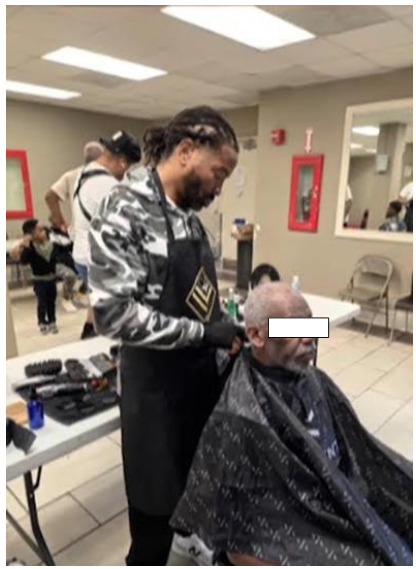
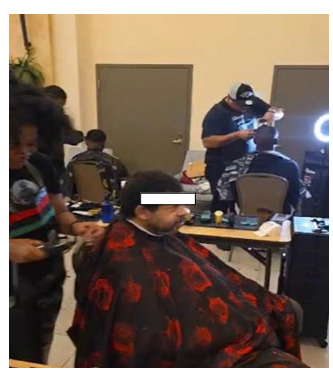

The CEO of the Conscious Heads Barbershop stated, “Barbering is about grooming, but there is a spiritual and healing side to this art. Yes, you can make money, but when you realize you’re a healer, it takes your art to the next level”. This message emphasizes that barbering transcends mere grooming and monetary gain, highlighting its deeper spiritual and healing dimensions. It suggests that when barbers recognize their role as healers, the profession evolves into a form of art that significantly impacts clients’ well-being. This perspective positions barbering not just as a trade but as a craft that fosters personal connections, boosts confidence, and contributes to emotional and mental health. By understanding their potential to heal through personal care, barbers elevate their practice, creating a transformative experience that enriches both the barber and the client.
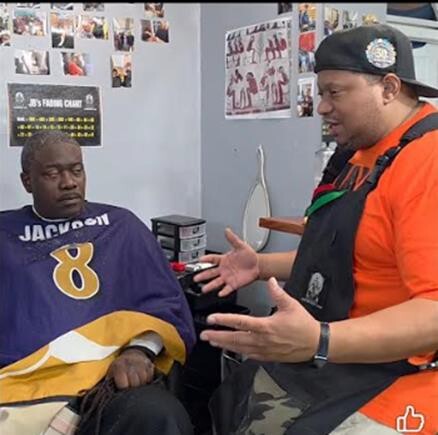
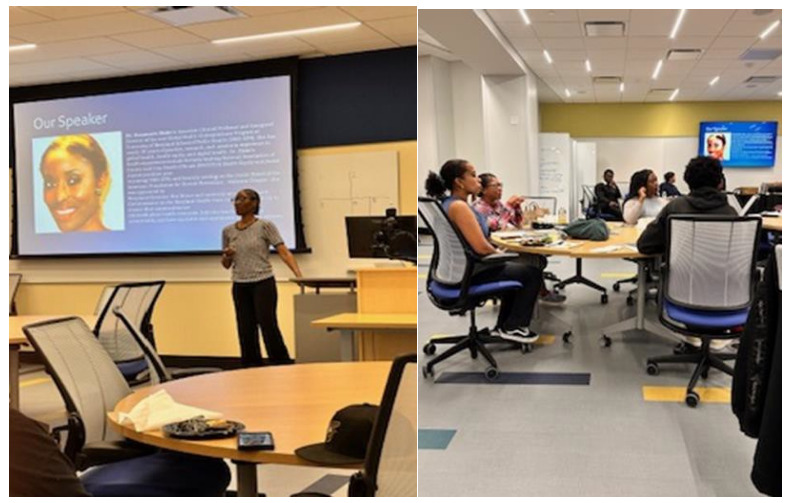
Merging Community Forces. The project presented a diverse team of partners: researchers, community health nurses, health literacy specialists, and the barber community. The team gathered an abundant understanding of community needs through the lens of barbers. The barbers were also interested in learning how Universities support these same topics. So, during the course of the project, the CEO was invited to our project’s launch. The theme commemorated mental health awareness, where Maryland Health Commissioner and partner to our project, Dr. Hassanatu Blake, presented this important topic relative to distressed communities, along with community members and students from Morgan State University.
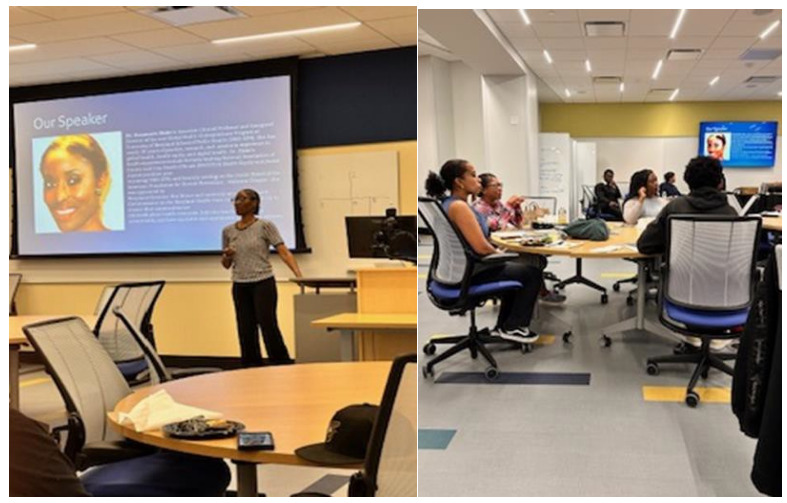
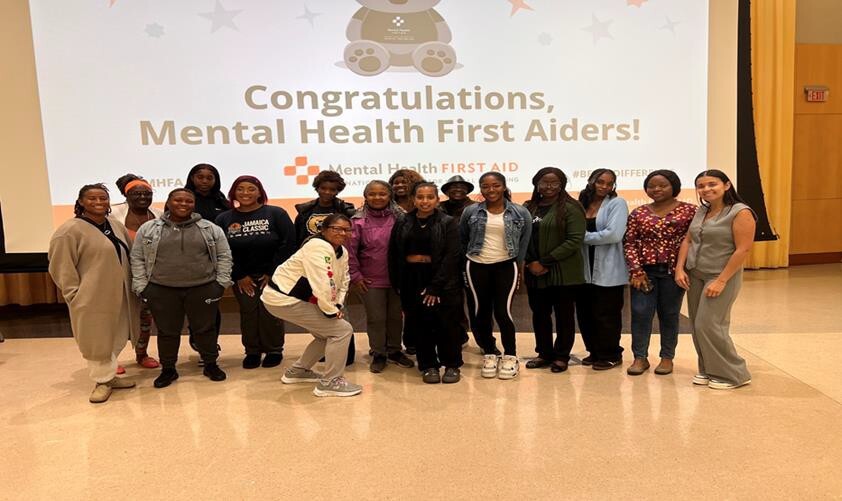
To further join forces, Holy Nativity St. John Development Corporation, in conjunction with community health nurses, health literacy specialists, and Morgan State University students, facilitated a training on mental health first aid. There were 3 classes offered, and over 75 participants were certified in mental health first aid.

Fundraising. Fundraising within the barbershop environment fosters a strong sense of community by transforming these spaces into centers of collective action and support. By organizing and participating in fundraising events, barbershops bring together patrons, local businesses, and community members to address common goals and challenges, such as supporting local charities, sponsoring educational programs, or assisting individuals in need. These efforts not only raise funds for important causes but also strengthen social bonds, as individuals unite in a shared purpose and engage in meaningful interactions. The barbershop thus becomes more than a place for grooming; it evolves into a communal hub where relationships are built, cultural ties are reinforced, and a collective identity is cultivated through the spirit of giving and mutual aid.
Action-Based Promotion via Funding. The Morgan State University partners continuously offer funding opportunities to sustain needed practices to educate distressed communities. Morgan State University houses a community networking entity, Morgan Cares, which has since expressed interest in mobilizing the barbershop’s efforts by developing on-demand health literacy trainings for the communities in which they deeply serve.
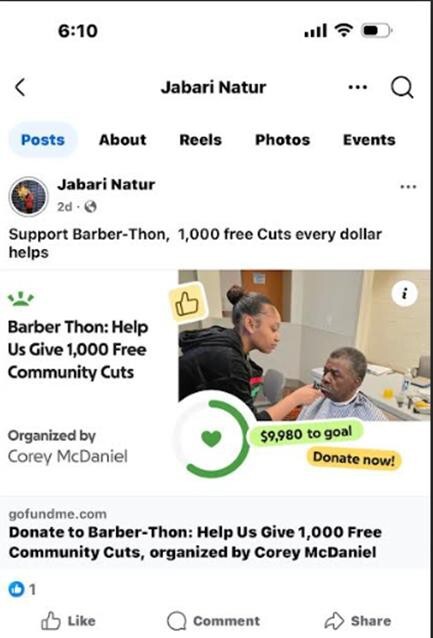
For now, the Conscious Heads Barbershop actively promotes “Barber Thon” campaigns to sustain the Bootcamp’s efforts in addressing the needs of distressed communities through free barbershops and needed training efforts for incoming barber bootcamp students.
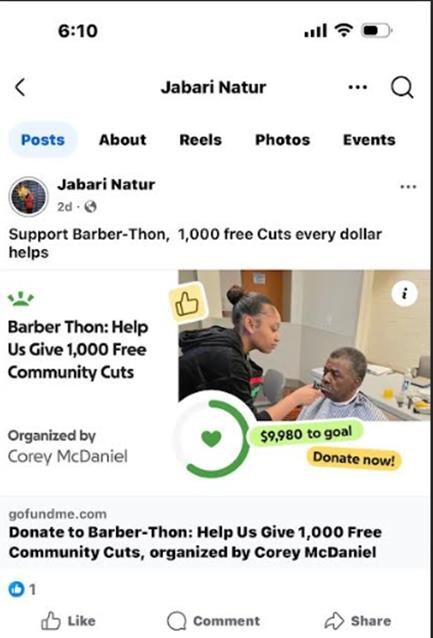
Conscious Heads Barbering Boot Camp is a program that teaches the art of cutting hair and further develops character and community building. Over the last two years, the Conscious Heads Barbering Bootcamp has trained over three cohorts of students in barbering and workforce development. Before the implementation of this project, a gap remained concerning integrating health literacy communication when training student barbers. Adopting health literacy communication is essential for barber students to learn because health literacy dialogue within the barbershop community significantly increases the reach when promoting optimal health among distressed communities.
After completing the pilot, participants have started to present effective ways to support student barbers in educating distressed community members about health disparities from a training health promotion perspective. The barber stakeholder community has opportunities to co-create and evaluate the curriculum from their perspectives, thus motivating and supporting the barber’s role as a social capitalist when addressing chronic and infectious diseases in distressed communities.
Ethical Considerations
During the study, several ethical considerations were meticulously addressed to ensure the integrity and protection of all participants involved, including barbers and community members. The research was conducted under the oversight of the Morgan State University Institutional Review Board (IRB), which ensured that all procedures adhered to ethical guidelines and standards.
Confidentiality was a paramount concern, and all focus group participants signed confidentiality statements. These agreements assured participants that their personal information would be protected and that their contributions would remain anonymous in any published findings. This measure was crucial in maintaining trust and encouraging open dialogue among participants, particularly those of historically marginalized communities. Also, all photo disclaimers were signed prior to pictures being taken, and barber client faces were partially hidden to protect the identity of community members.
Additionally, both Co-Principal Investigators (Co-PIs) were thoroughly prepared for data collection, compilation, and storage, having completed certification through the Collaborative Institutional Training Initiative (CITI). This certification ensured that the Co-PIs were well-versed in ethical research practices, emphasizing the importance of maintaining participant confidentiality and data integrity throughout the study. These steps collectively reinforced the study’s commitment to ethical research practices, safeguarding the rights and privacy of all involved.
Strengths and Limitations
The project, centered around utilizing barbershops as community hubs to address health literacy gaps in distressed areas, demonstrates significant strengths and certain limitations. A primary strength lies in the project’s innovative use of backward design and participatory action research (PAR) to create culturally relevant health literacy interventions. By leveraging the historical role of barbershops as places of dialogue and cultural exchange, the project effectively engages barbers, health literacy specialists, and nurse stakeholders in open dialogues that inform tailored health strategies. This collaboration enhances the barber training curriculum, ensuring that barbers become effective health advocates in their communities. Another strength is the project’s focus on creating sustainable health literacy practices and building a pipeline of barber students committed to improving community health outcomes, thereby contributing valuable insights to the literature on health literacy and community engagement interventions.
However, the project also faces limitations. One challenge is the need for more comprehensive research to evaluate the long-term effects of equitable health literacy communication through barbershop training efforts. While existing interventions show promise, further studies are necessary to assess the scalability and adaptability of these models to different distressed communities. Additionally, while the project emphasizes cultural relevance, it may face difficulties in uniformly implementing these interventions across diverse communities with unique cultural and socio-economic dynamics. The project must also address potential barriers in training barber students to effectively integrate health literacy communication, particularly in reaching and engaging populations disproportionately affected by low literacy. Despite these limitations, the project offers a promising model for leveraging community-based resources to address health disparities, highlighting the crucial role of barbershops in fostering health equity.
Lessons Learned for Implementation
The project underscored the effectiveness of integrating culturally relevant health literacy education within barber training programs, highlighting several key lessons for successful implementation. Firstly, leveraging the historical role of barbershops as community hubs can significantly enhance engagement, as these spaces naturally facilitate open dialogue and cultural exchange. The backward design methodology proved crucial in aligning educational activities with desired health literacy outcomes, ensuring that interventions remain focused and purpose-driven. Moreover, the participatory action research (PAR) approach empowered barbers and stakeholders to actively contribute to the development of health strategies, fostering a sense of ownership and commitment. It became clear that collaboration among diverse partners, including educational institutions, health professionals, and community organizations, is vital for creating sustainable and effective health literacy initiatives. However, the project also highlighted the need for ongoing research to evaluate the long-term impact of these interventions and adapt strategies to diverse community contexts. Overall, the initiative demonstrated that when barbers are equipped with the right tools and training, they can serve as powerful advocates for health literacy and community well-being.
Conclusion
This project demonstrates a transformative approach to community health engagement.
By leveraging the historical and cultural significance of barbershops as community dialogue hubs, the initiative effectively integrates health literacy education into barber training. This approach not only empowers barbers to serve as trusted health communicators but also addresses health disparities in distressed communities like Baltimore. The use of backward design ensures that educational activities align with desired health outcomes, fostering sustainable health literacy practices. Through participatory action research, barber students develop culturally tailored health communication strategies, promoting health equity among marginalized communities. The project’s success underscores the potential of barbershops as pivotal platforms for advancing public health, offering a replicable model for other regions. Ultimately, this initiative enriches the literature on health literacy and community engagement, highlighting the vital role of barbershops in fostering health equity and community well-being.
Acknowledgements
Thank you to all the people who took part in the focus group, whose outcomes have been integrated into the final product. We would also like to offer special recognition and gratitude to Conscious Heads Barbershop barbers and students for their continued efforts in supporting distressed communities, “one head at a time.” Additional thanks to our co-PI partnership with the Holy Nativity St. John Development Corporation, as they were instrumental in forming the initial partnership with the Conscious Heads Barbershop, and assisted with the overall facilitation with community partners throughout the project. The team would like to thank Morgan Cares, which assisted the team in developing the external proposal through NIH ASCEND. A very special thanks to Alpert Medical School at Brown University, Qualitative Science and Methods Training Program, which was instrumental in assisting the Co-PIs with the development of the instruments utilized for this project (Sentio Scholarship recipient, QSMTP).
Funding
This project was sponsored by the NIH ASCEND for Biomedical Research through Morgan State University, under award# RL5GM118972.