
1. Introduction
Doing research with unauthorised people[1] is challenging and raises questions about vulnerability and exploitation (Mohan et al., 2023). Due to their lack of residence status, unauthorised people are exposed to a myriad of migration control measures aimed at their identification, exclusion, immobilisation, and expulsion from the nation’s territory (Doomernik & Jandl, 2008). In addition, they face increasing stigmatisation and criminalisation, which obstruct their access to both formal and informal justice and leave them vulnerable to exploitation (De Genova, 2002; Franko, 2020). Scholars must be wary of the risks of exploitation that permeate their everyday lives and should be attentive to avoiding the reproduction of exploitative relations within the research context (Hugman et al., 2011).
Disregarding good intentions, conventional social scientific research often falls short of doing so. Commonly, scientific procedures follow an extractivist logic, wherein a researcher enters the field with a predetermined agenda, extracts data, and departs without providing meaningful recognition or reparation (Benjamin, 2021). Said ‘hit-and-run’ type research, still dominant and taken as a standard research practice, can be experienced as adding insult to injury, thereby contributing to research fatigue among the researched communities, as they find little tangible benefit in their participation (Ashley, 2021; Fiorito, 2024).
Given these concerns, several scholars have turned to alternative research designs to achieve the ethical sophistication required for conducting research with people exposed to migration controls (De Backer, 2022a; Dupont, 2008; Düvell et al., 2010; Hugman et al., 2011; Swerts, 2016). Adopting a participatory research framework is one possible avenue to disrupt exploitative research relations and maintain high ethical standards (Israel & Iain, 2012; Swerts, 2016). Participatory research allows for more sensitive procedures and ethical considerations than non-participatory designs, and it can create a space that allows for the strengthening of the capacities of the collaborators (Hugman et al., 2011; Mata-Codesal et al., 2020). This approach is underpinned by a commitment to research practices that aim for social change and emancipation (Martinez-Vargas, 2022). By involving community actors, people first concerned can actively shape the research agenda, core ideas, objectives, directions, and make use of the data and knowledge generated (Kindon et al., 2007). In that way, the communities themselves can guard their community from exploitative research interests and direct research efforts in their own interests.
This article explores the promises and tensions of doing PAR with unauthorised people. As such, this paper is situated within the ‘reflexive turn’ in migration studies (Amelina, 2020). In recent decades, a growing body of scholarship has emerged that critically examines the power hierarchies underlying the production of knowledge on migration. This reflexive approach interrogates insensible and insensitive modes of knowledge production and circulation vested in hierarchical relations (see e.g., Cîrstea & Pescinski, 2024; Fiorito, 2024; Levitt, 2023; Mata-Codesal et al., 2020; Ozkul, 2020; Zadhy-Çepoğlu, 2023). The turn scrutinises the dominant Eurocentric economies of knowledge production that silence and exclude non-European, non-Western, and non-White voices (Stierl et al., 2025). Instead, it aims to democratise both production and circulation by calling on scholars to engage in research practices that redistribute power between researcher and participant (Zadhy-Çepoğlu, 2023). This paper promotes putting the reflexive turn into practice and moving beyond the turn as a theoretical exercise by providing insight into the messy, relational, and dynamic negotiations of power in participatory research with unauthorised people.
This article makes two contributions. First, it provides an account of a collaborative exhibition as an action initiative with a community organisation of unauthorised people in the Brussels Capital Region. Second, and more importantly, it uses this case to develop conceptual insights into two broader dilemmas of participatory research: the tension between autonomy and participation, and the tension between anonymity and recognition. By illustrating how these dilemmas were navigated in practice, the article contributes to debates on anonymity, recognition, reciprocity, and horizontality, not only in migration studies but also in participatory methodologies.
This article is composed of two parts. It begins by describing the research phases, including gaining access, building trust, consolidating partnerships, fostering ownership, and implementing collaborative actions. This section addresses the literature’s lack of ‘real-life scenarios and candid narratives of researchers engaging with the approach,’ as identified by Salazar (2021, p. 371). In the second part, the article focuses on the encountered tensions. Ultimately, the article argues that prioritising the autonomy of collaborators offers a way to address these tensions in accordance with PAR’s core principles. Before proceeding to the description and discussion, the literature on the challenges of conducting PAR with unauthorised people is reviewed.
2. Participatory Research with Unauthorised People
Doing PAR with unauthorised people presents distinct ethical, methodological, and practical challenges that can produce friction with conventional ethical standards (Brabeck et al., 2014; Brydon-Miller & Greenwood, 2006; Düvell et al., 2010; Fiorito, 2024; Lykes et al., 2011; Salazar, 2021, 2022; Swerts, 2016). A first friction exists between the need for participant anonymity, on the one hand, and the desire for recognition, on the other. Anonymity is considered a standard protective measure in research, serving to protect individuals from potential harm related to their identification as participants. In the context of PAR, where autonomy, empowerment, and agency are central, strict anonymisation can be at odds with these principles in two ways (Brabeck et al., 2014; Salazar, 2022). First, anonymity can undermine participants’ ownership of the research process and the recognition of their efforts. Second, one-sided decisions regarding participant protection may inadvertently challenge participants’ autonomy, leading to paternalistic approaches that PAR seeks to avoid (Brabeck et al., 2014; Strumińska-Kutra, 2016). Thus, navigating recognition and protection is crucial, especially since sidelining anonymity for unauthorised people should not be considered lightly. The risks associated with identification are significant, as exposure may lead to apprehension, detention, and deportation, along with related harms (Düvell et al., 2010). When exposure through identification is approached thoughtlessly, research can ‘quite literally become a kind of surveillance, effectively complicit with if not altogether in the service of the state’ (De Genova, 2002, p. 422).
One way PAR addresses the tension between anonymity and recognition is by allowing research collaborators to actively participate in decisions concerning their anonymity (Banks et al., 2013; Gordon, 2019). In this approach, participants determine their level of anonymity within the study. For example, in the research by Smets and Ahenkona (2024), some participants opted for visibility, prioritising the benefits of public recognition over the risks of exposure. The researchers honoured these requests, demonstrating a commitment to participant agency. Similarly, Montero-Sieburth (2020) and Salazar (2022) allowed their collaborators to decide for themselves whether they wanted to be named or not.
Secondly, PAR strives to benefit those first concerned, based on a notion of reciprocity (Kindon et al., 2007; Martinez-Vargas, 2022). From a narrow definition, reciprocity boils down to providing compensation for participants that involves a monetary provision (von Vacano, 2019). Other scholars, operating within more reflexive frameworks, conceive reciprocity as a dynamic process of exchange embedded in research relationships of care (Zadhy-Çepoğlu, 2023). These can be understood as both an individual and collective exchange, and it is not uncommon that both spheres exist in tension (Brabeck et al., 2014). On an individual level, reciprocity involves fostering ‘relationships between researchers and participants in which there is an equal exchange of ideas and of the benefits to be gained by being involved in the research project’ (Hugman et al., 2011, p. 1279). In Smets and Ahenkona’s (2024) study, researchers supported participants’ regularisation applications by providing acknowledgement letters. These can contribute to individual-level applications for residency status (cf. infra). At the collective level, reciprocity entails contributing to the community represented by the collaborators. This may involve producing materials that support community-led initiatives or entail other ways ‘to utilise privilege and convert it into allyship’ (Zadhy-Çepoğlu, 2023, p. 5). Fiorito’s (2024) research exemplifies this approach: the author actively participated in social justice movements led by her participants. She was involved in protests, civil disobedience, and organising events. Furthermore, she co-directed a documentary to amplify the voices of the community. Similarly, Swerts’ (2016) research produced pedagogic instruments that the partners could mobilise for community building.
However, researchers must be mindful of potential pitfalls when promising to ‘give back’; reciprocity is challenging and getting it right is difficult because paternalistic attitudes can easily infiltrate the attempts (Levitt, 2023; Zadhy-Çepoğlu, 2023). Brabeck and colleagues (2014) describe a case where participants were offered referrals to a university-based immigration law clinic. While well-intentioned, this raised unrealistic expectations that participation in the research might facilitate legal status. For individuals with limited legal options, these unmet expectations led to disappointment. In order to avoid unrealistic or paternalistic-driven exchanges, Zadhy-Çepoğlu (2023) highlights the need to be reflexive of the limitations of one’s own capacities for change and be attuned to the specificities of each context.
Concluding this section, PAR with unauthorised people requires research collectives to engage with questions of anonymity, recognition, and reciprocity. Drawing on empirical data generated throughout the research process – including fieldnotes, pictures and project-related documents – the following section examines how these questions surfaced within a PAR study on feelings of insecurity among unauthorised people in the Brussels Capital Region. This study, developed as part of a doctoral research project in criminology, provides a concrete case through which to explore the promises and tensions inherent in PAR. Before proceeding with the research process, some notes on the research context.
3. The research context and research process
In the Belgian context, the securitisation of migration is becoming increasingly evident, resulting in expanding strategies and tactics of migration control (Deschuyteneer, 2025; Liekens et al., 2026). These include, on the one hand, coercive measures aimed at detecting, detaining, and returning people without residency status. On the other hand, they include non-coercive measures that seek to ‘nudge’ people without residency status to leave the territory. These non-coercive measures involve forms of welfare state bordering (Bendixsen & Näre, 2024), in which access to the labour market, social rights, and healthcare is made conditional upon holding a residence status (Bouckaert, 2009; Devillé, 2008). Together, these measures create an increasingly hostile environment for unauthorised people whose lives are both severely structurally constrained and characterised by profound and totalising fears, pains, and insecurities (Kox et al., 2020; Liekens et al., in press).
Despite this increasingly hostile environment, however, local practices and initiatives of resistance exist, including organisations and infrastructures that aim to support people exposed to migration controls. Many unauthorised people use, manage, and maintain these infrastructures in order to access informational, instrumental, and emotional support (Boost & Oosterlynck, 2019). In Belgium, the support ecosystem gained particular momentum during and after the ‘reception crisis’ of 2015 (Mescoli et al., 2019). At that time, the state’s incapacity to receive migrants and handle their asylum claims led to heightened visibility and politicisation of migration within society. In response to the high numbers of arrivals, civil society organised through grassroots initiatives motivated by humanitarian concerns, offering food, clothing, first aid, information, and housing. Several of the initial grassroots organisations became institutionalised and state-supported, while others remained community-based and independent from the state (Mescoli et al., 2019). The current associative ecosystem is an assemblage of state-led, state-supported, and independent community-based initiatives (Boost & Oosterlynck, 2019; Debruyne et al., 2026; Schuermans et al., 2019).
Gaining access to people subjected to migration controls often requires working with these support organisations as gatekeepers (Ellard-Gray et al., 2015). For the current project, access was sought through independent, self-organised and community-based initiatives. Working together with self-organised collectives in light of PAR is particularly interesting because they are based on the principle of autonomy and self-presentation (Nail, 2015). They do not rely on parties, unions or NGOs to speak for them; they speak for themselves and formulate their own demands and strategies. A second advantage of working with collectives is that they are resistant against co-optation by state actors, thereby straining their humanitarian purposes for the objective of migration control (Debruyne et al., 2026). As such, these auto-organised collectives remain spaces where a counternarrative against the securitisation of migration can be articulated.
To gain access to the field, I volunteered with several auto-organised collectives. These are independent community-based groups organised by unauthorised people themselves. It is not uncommon for researchers to enter the field and learn about the environment and local dynamics through volunteering before seeking collaboration (Mohan et al., 2023). Moreover, being a volunteer can stimulate a sociocultural consciousness necessary to conduct culturally responsive research (Lahman et al., 2011). This proved to be an important first step, given my outsider position as a member of the white majority population in the country of settlement within a predominantly black mobility context. Many elements of my selfhood differ from those of the researched community, which could lead to misinterpretations during different phases of the research (see e.g., Carling et al., 2014; Quraishi et al., 2022). Becoming a volunteer altered my relationship to the field as it informed a sensitivity to identity-based blind spots, and it facilitated preliminary, yet delicate, access. What facilitated my integration as a volunteer with the collective is that my personal views and political orientation did not clash with those of the community organisation. This made it easy to ‘show myself’ in formal and informal conversations and settings. This observation resonates with Swerts and Oosterlynck (2021), who discuss the benefits of showing ‘political colour’ when doing fieldwork with unauthorised people.
Given the absence of a predefined research agenda, initial discussions with the community organisation focused on identifying forms of knowledge that would be meaningful and beneficial for the people first concerned. This open-ended approach was both a challenge and an opportunity. On the one hand, it required convincing potential partners of the project’s value before a defined project existed. On the other hand, it allowed space for community organisations to articulate their research priorities (Vaughn & Jacquez, 2020). Centring on the community’s needs in the planning phase enabled a shift from epistemic injustice towards epistemic justice (Spivak, 1988). However, despite initial engagement, securing a sustained partnership was challenging. My contact persons at the community organisations occasionally went unresponsive, which put stress on the research timeline. This highlights a common difficulty in participatory research: how the slow and careful iterative participatory research process can produce friction with short-term research frameworks (Hugman et al., 2011), as illustrated by the following fieldnote:
My two gatekeepers are no longer responsive. My promoters advised me not to put all my hopes on only a couple of community organisations […] I’m afraid they’re right. I’m now in my 9th month, and I still haven’t managed to find a sustainable partnership to facilitate participatory research… I’m getting a bit nervous and insecure about whether a participatory design will be feasible after all.
Fieldnote, September 2023
To re-establish connections, my engagement with the field intensified. In the subsequent months, I attended numerous community events, demonstrations, and discussions hosted by organisations in the field. During this process, my role as a volunteer shifted towards becoming an ally. In activist circles, an ally is someone who does not directly experience a certain oppression, but who supports those who struggle against the source of that oppression (hooks, 2004). An ally plays a supportive role (instead of taking over a shared project), and shares a relation of concern among people who are ‘non-identical in a relevant way’ (Almassi, 2022, p. 64). From their different positions, allies make contributions relevant to their purpose of collaboration. Allyship resonates with PAR’s principle that communities are the leaders of social change, and that outsiders can facilitate or support, but should never dominate the process (Rahman, 1991).
In my case, my position as a university researcher entailed access to a set of resources that could be mobilised, including an academic network, a platform, and access to a scientific discipline as a privileged site of knowledge production. Through allyship, my relationship vis-à-vis the field changed. Whereas my university position was initially regarded with distrust, as an ally, this position provided opportunities to contribute meaningfully to the collective’s interests.
One community organisation, La Voix des Sans Papiers Bruxelles, agreed to continue a collaborative research trajectory. La Voix des Sans Papiers Bruxelles (VSP) is a Brussels-based grassroots collective advocating for the rights of unauthorised people (VSP, 2023). Since 2014, the collective has been driven by self-organisation, solidarity, and direct action. Its cadre consists of former or current people living without residency status. VSP provides material, legal, and informational support to unauthorised people and engages in public advocacy for their rights through collective actions. These include demonstrations as well as cultural events such as film screenings, workshops, and debates. At the heart of VSP’s activism is the strategy of occupation: the collective temporarily occupies empty buildings to house unauthorised people. They do so based on a precarious contract with the property owner and in consultation with the municipality. Since their inception in 2014, VSP has hosted 23 occupations across the Brussels Capital Region. Some occupations lasted only for a week, whilst others are hosted for multiple years. These occupations serve not only as a practical response to homelessness among unauthorised people but also as a platform from which to organise the community.
Despite the community organisation’s participation in the planning phase, their freedom to decide on the research content was not unlimited. Given that the project was developed as part of a doctoral research project in criminology, the project needed to contribute to the field of criminology. The disciplinary framing thus motivated certain themes, whilst it excluded others (see also Dillon, 2014). Researchers conducting PAR must often navigate between two audiences and contexts —the academic community and the community they collaborate with (Bradbury-Huang, 2010). This navigating-in-between is unavoidable, as PAR recognises both academic and community actors as sharing decision-making power, with both partners in the investigative processes and thus both having a voice (Hacker, 2013).
Nearly a year of discussions and sustained presence within the organisation led to an agreement with the collective to collaborate on a research if two conditions were met: that the research would question dominant narratives that depict unauthorised people as illegal and, hence, dangerous; and, that the research would produce outputs that could be mobilised for raising public awareness. Central to the latter demand was the hosting of a collaborative art exhibition.
3.1. Charter of Collaboration
In PAR, success often depends on the depth and strength of mutual trust between the collaborators (Brydon-Miller, 2001). To stimulate the latter, we drafted a ‘charter of collaboration’ outlining expectations and commitments to consolidate the collaboration. The charter served as a pretext for discussing and making explicit the objectives of the partnership, the roles and expectations of each partner, and issues related to authorship and remuneration. The charter proved to be a valuable instrument for increasing transparency, which is crucial when collaborating with community organisations and can contribute to trust (Lahman et al., 2011; Swerts & Depraetere, 2018). We organised ourselves in a research collective - the curatorial committee - to realise the art exhibition. The committee consisted of five members (including the author of this article), three of whom were unauthorised at the time of writing, and one who had been previously unauthorised.
The curatorial committee held bi-weekly meetings to discuss the organisation of the exhibition. One of the first questions addressed concerned the anonymity of the collaborators, which led to a broader conversation about voice, agency, and recognition. Becoming recognisable as unauthorised people in a context of repressive migration governance might entail detrimental outcomes. When asked whether rejecting anonymity might have negative consequences in terms of identification and apprehension, one committee member responded, ‘We have crossed the bridge of fear’ (fieldnote, March 2024). As militants, he continued, being visible is a condition for expressing voice and concerns. Given that they regularly participate in public demonstrations or other actions that require visibility, they have become habituated to fear as a salient and permanent condition.
All committee members emphasised the importance of recognition over anonymity as collaborators. In the Belgian context, unauthorised people can regularise their stay by applying for residency status (van Meeteren et al., 2008). To apply for regularisation, individuals must provide proof of integration, such as certificates of participation, letters of recommendation, or documentation of voluntary work. Recognition of their contributions is thus important, as it can impact the strength of their regularisation applications. As such, the visibility and recognition of their work have tangible consequences. This was the primary motivation for the committee members to reject anonymity during their participation. They all agreed that the benefits of visibility and recognition outweighed the potential risks of increased control.
A second aspect of anonymity arose in relation to the community organisations’ proposal to host the exhibition in one of their occupations. Holding the exhibition in an occupation could lead not only to identification but also to localisation of the people living there. For deportation, identification and localisation are sine qua non conditions for its realisation (Ellermann, 2010). After careful consideration of the risks, the committee concluded them to be minimal. The main reason is that the occupations enjoy a degree of tolerance from the local authorities where they are located. The municipality is aware of both the location of the occupation and the individuals residing there. As part of their agreement with the local authorities, VSP provides a list of people living in the building. Given the degree of toleration from the local authorities and their autonomy as collaborators, the initiative proceeded accordingly.
3.2. Stimulating ownership
During the meetings, the collaborators’ engagement with the project fluctuated. The collaborators often showed up late, had to leave early or encountered last-minute change of plans so that they couldn’t attend the meetings. The instability of living unauthorised partly explained this. Living without residency status creates stress and insecurity: ‘not knowing what tomorrow will bring reduces unauthorised people to an ad hoc existence’ (Liekens et al., in press). Living in a condition of indeterminacy constitutes a heavy psychosocial burden which limited the amount of energy they could invest in the project. To account for collaborators’ mental states, we held check-ins at the start of each meeting to assess everyone’s well-being (see also Fiorito, 2024). In these moments, the collaborators often confided that they were exhausted. One of them mentioned, ‘If we find time to rest, it is only by accident.’ He continued, ‘Some people plan some days to rest or take a holiday to recharge. For us, no, that doesn’t come’ (Meeting minutes, May 2024).
A second element that played a role was an initial lack of ownership. In PAR literature, ownership is mentioned as something desirable, yet little work clarifies what it means and how it can be nurtured (Areljung et al., 2021). Ownership is often related to involvement, voice, agency, and empowerment and signifies a connection to the project, or ‘making it one’s own’. The following excerpt from a fieldnote illustrates the fluctuating ownership. The note is taken following the introductory meeting with an artist whom the committee invited to assist in hosting the exhibition:
We were seated in the meeting room of the community house. [omitted – name artist], being there for the first time, I thought we should start with an explanation of the project and what we’ve done so far. I decided not to take the lead and asked the group who wanted to share what the project was about. I hoped for someone to take the lead. Instead, there was silence, all just staring into the blank. I felt uncomfortable, realising that I overestimated how they felt the project was their own. They looked in my direction for the lead. I asked again, this time [omitted] replied: ‘It is like carrying a coffin, someone has to start, and when we see you are struggling, we will help you carry it’. So, I started carrying the coffin and introducing the project, and after a while, [omitted] joined in and completed the story.
Fieldnote, June 2024
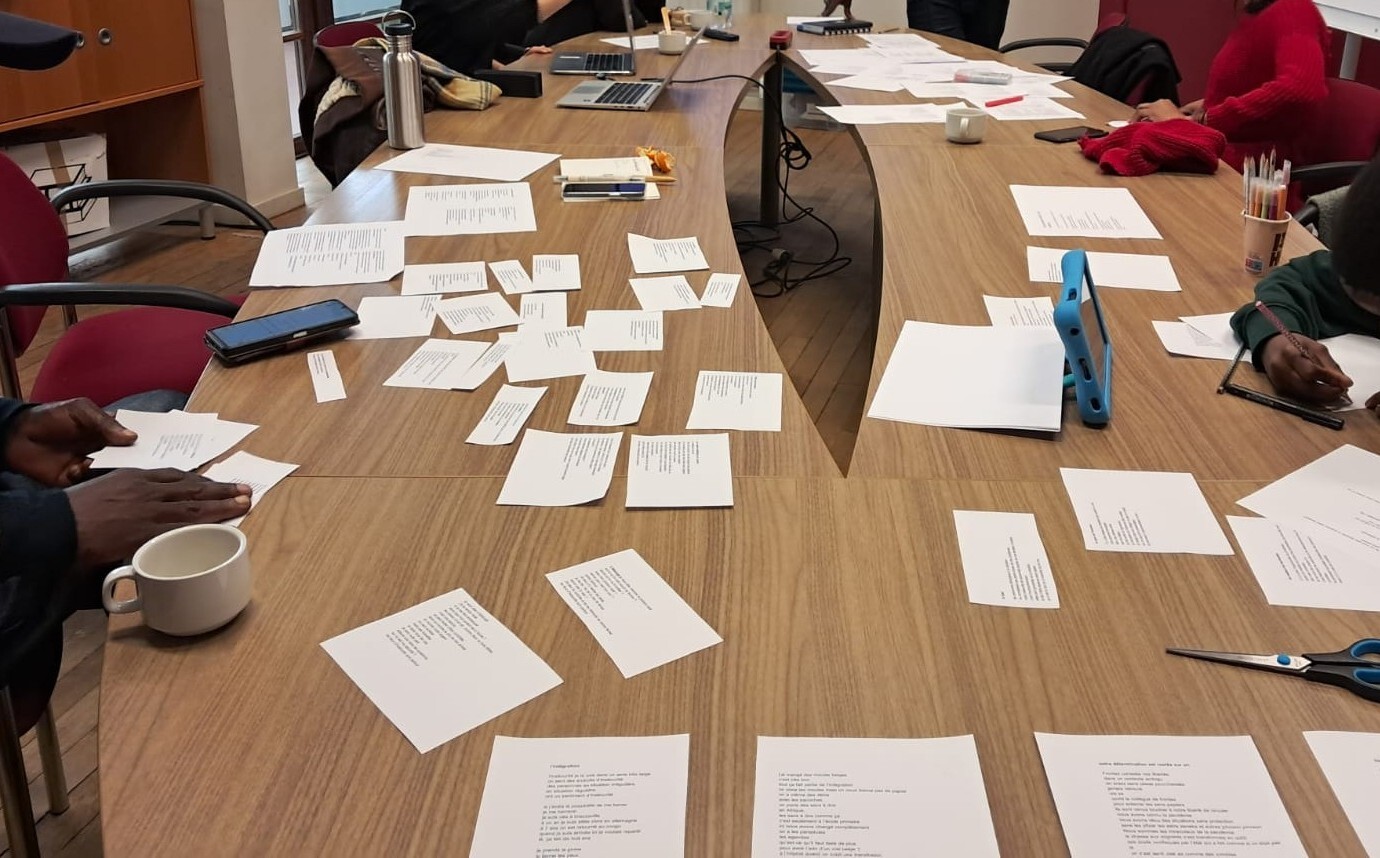
Until the meeting with the artist, we had predominantly conducted planning-oriented activities – such as determining where to hold the exhibition, when, articulating its objectives, and organising communication, among others. Ownership, however, involves an emotional component of attachment. Burns and others (2021, p. 28) state, ‘[w]hen people commit to something only intellectually, it often lacks the visceral connection that people have when they do things with others’. Towards this aim, the invited artist proposed a collective writing session with the curatorial committee to produce materials to display during the exhibition (see figure 1).
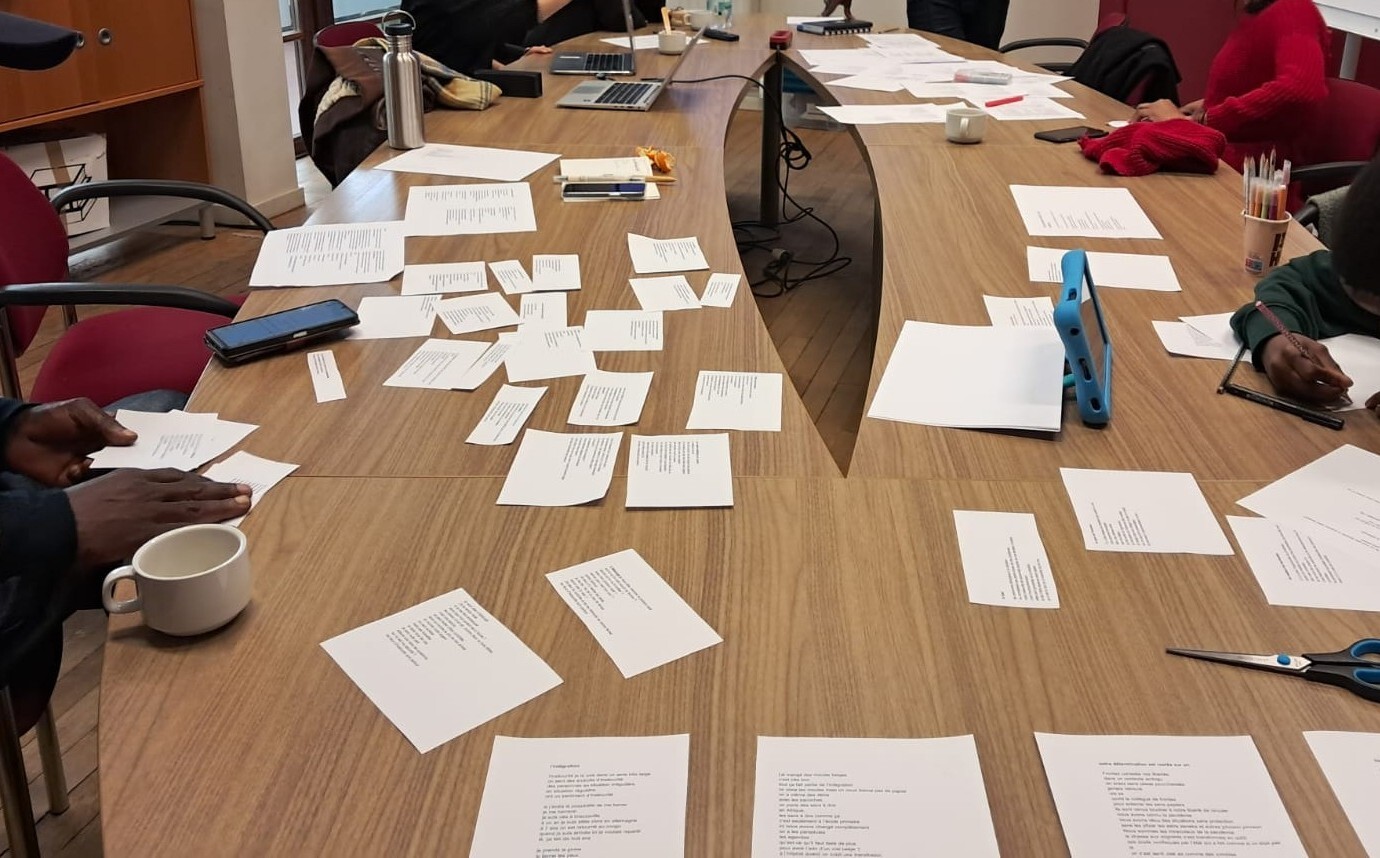
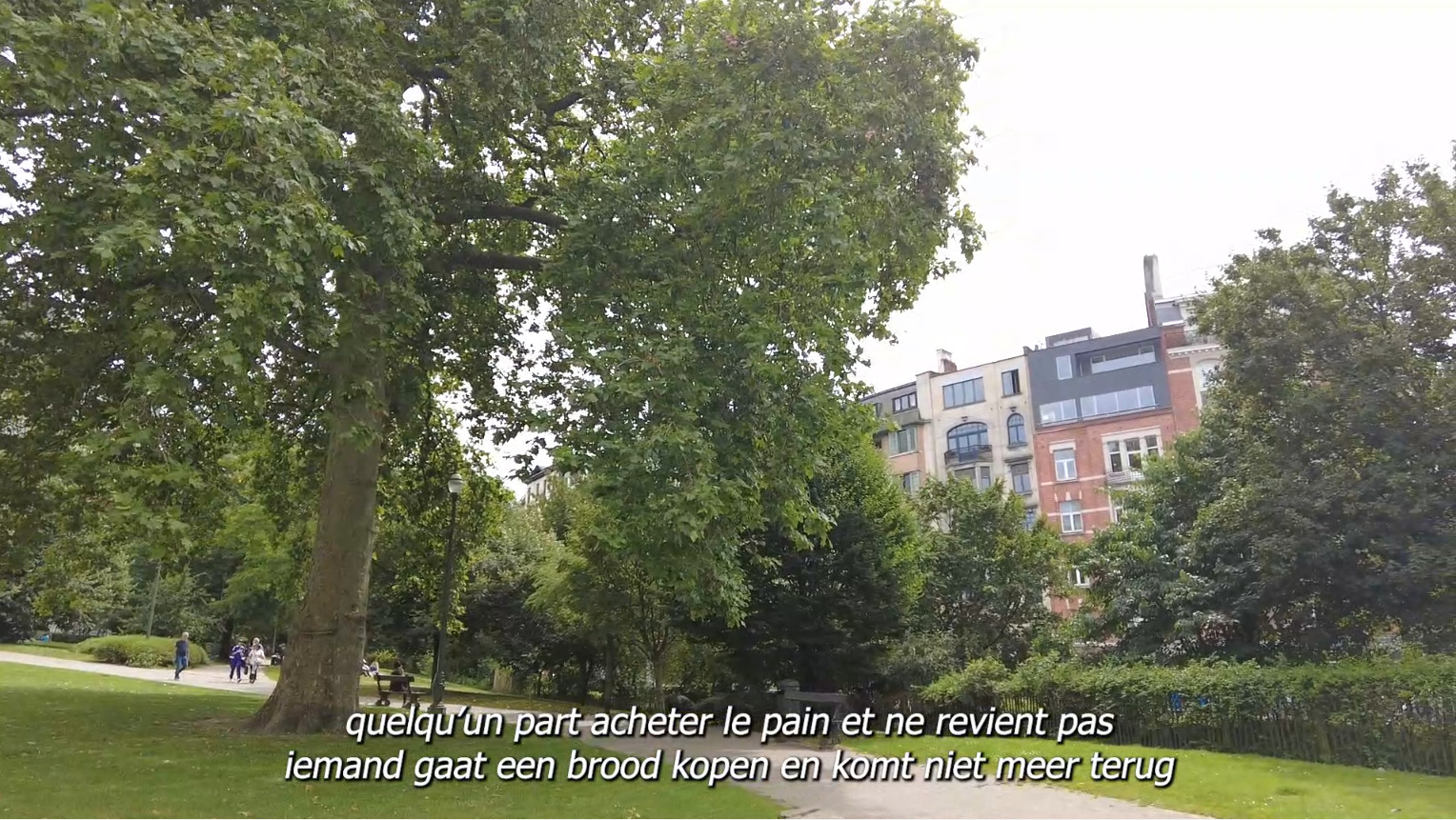
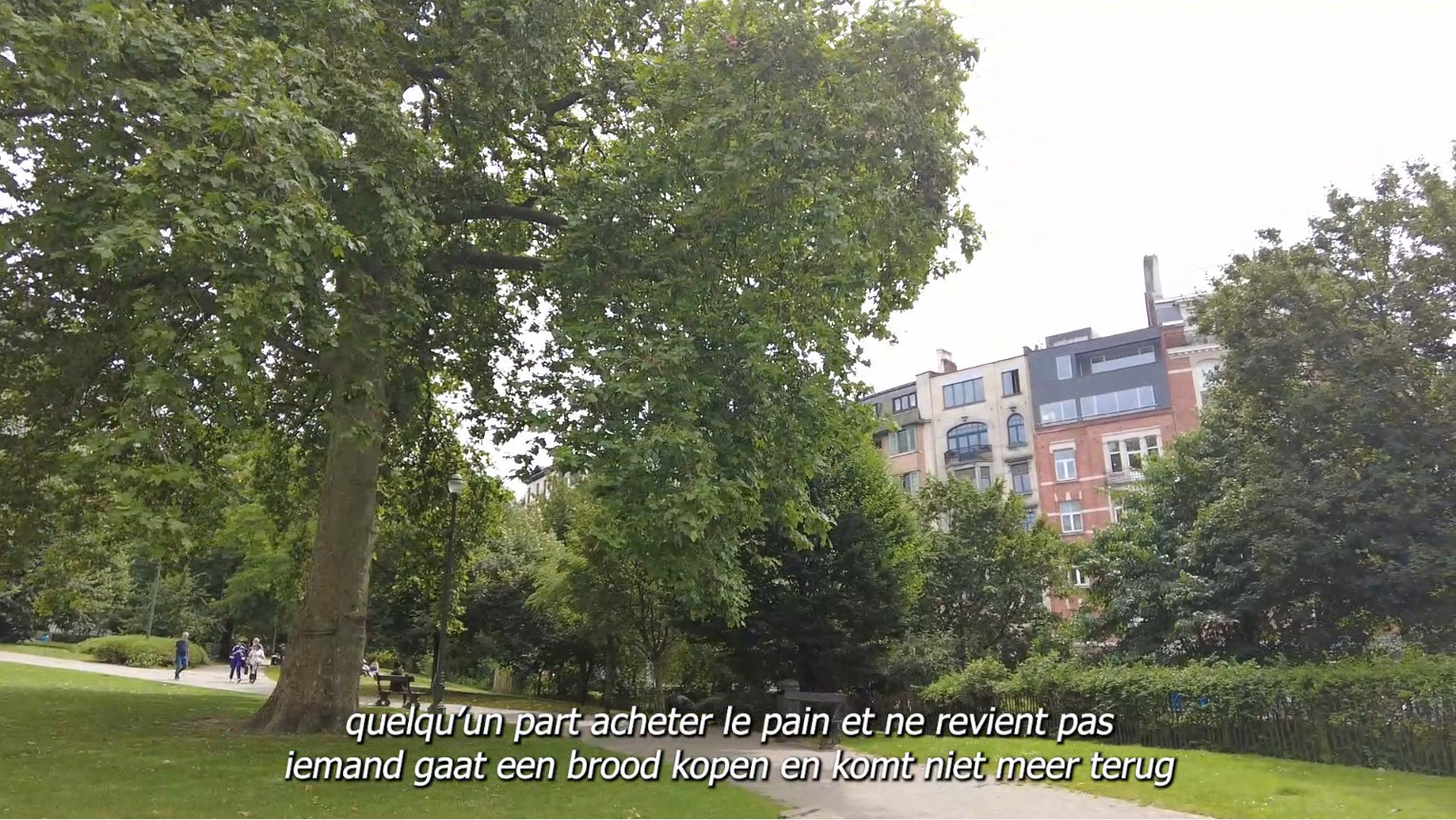
This resulted in the collective writing of a SLAM-poem and ‘internal dialogue’-style texts. Engaging with the texts, the committee proposed to integrate them into an installation and to complement them with images shot in the city. With rented audiovisual material, the committee took to the streets and collected their own images of the city, which were then subtitled with the texts from the collective writing session. The result was a video installation in which the viewer encountered visuals of familiar urban landscapes juxtaposed with the internal dialogues of someone unauthorised (see figure 2).
Through the collective writing session, the committee members transitioned from planners to artists. It fostered their emotional connection to the project, and it inspired the collaborators to take up more initiative. In this transformation, attachment to the exhibition emerged, and ownership resulted from collaborators directly engaging with the project beyond planning activities (Burns, 2021).
3.3. A collaborative exhibition as an action initiative
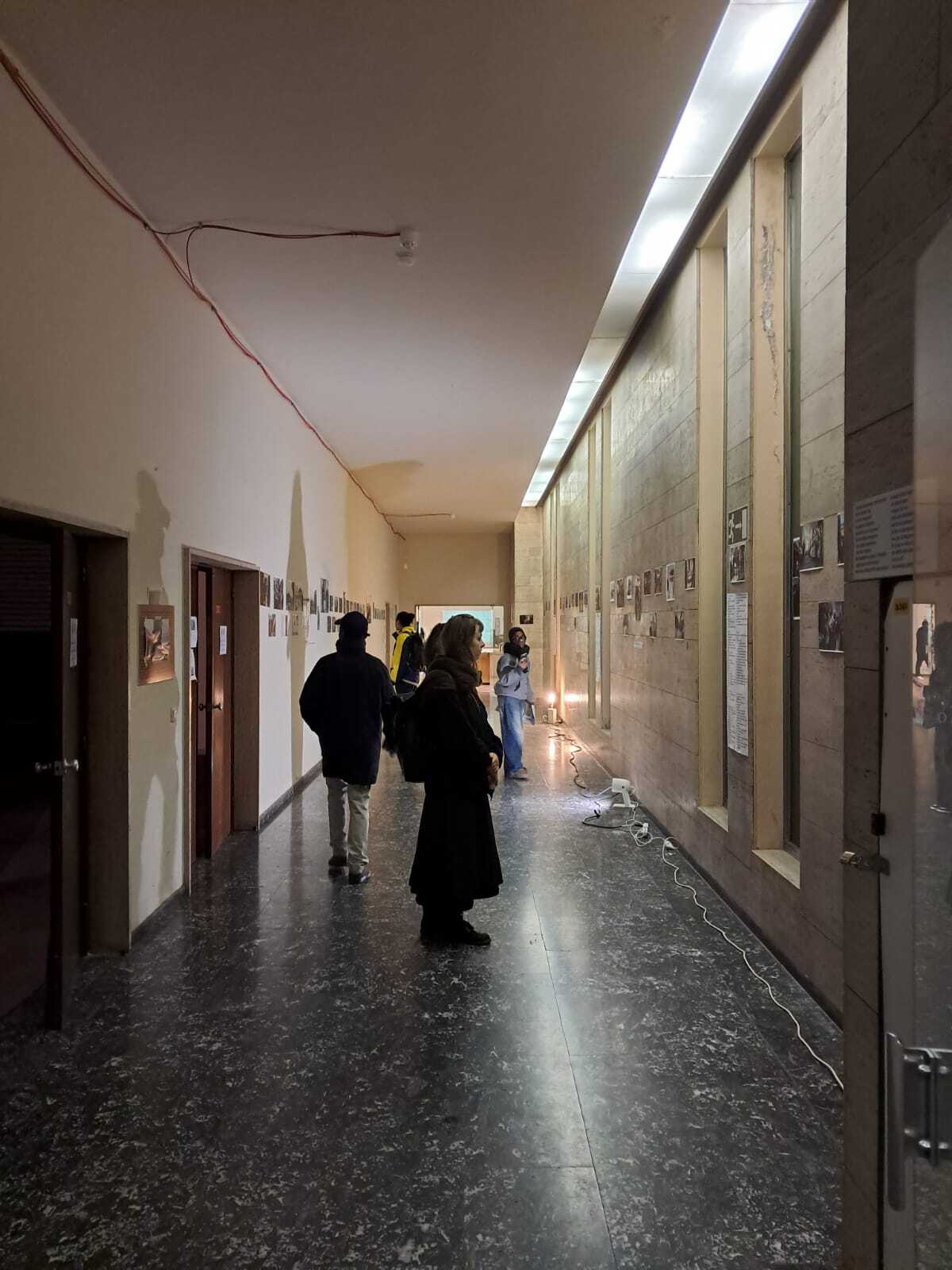
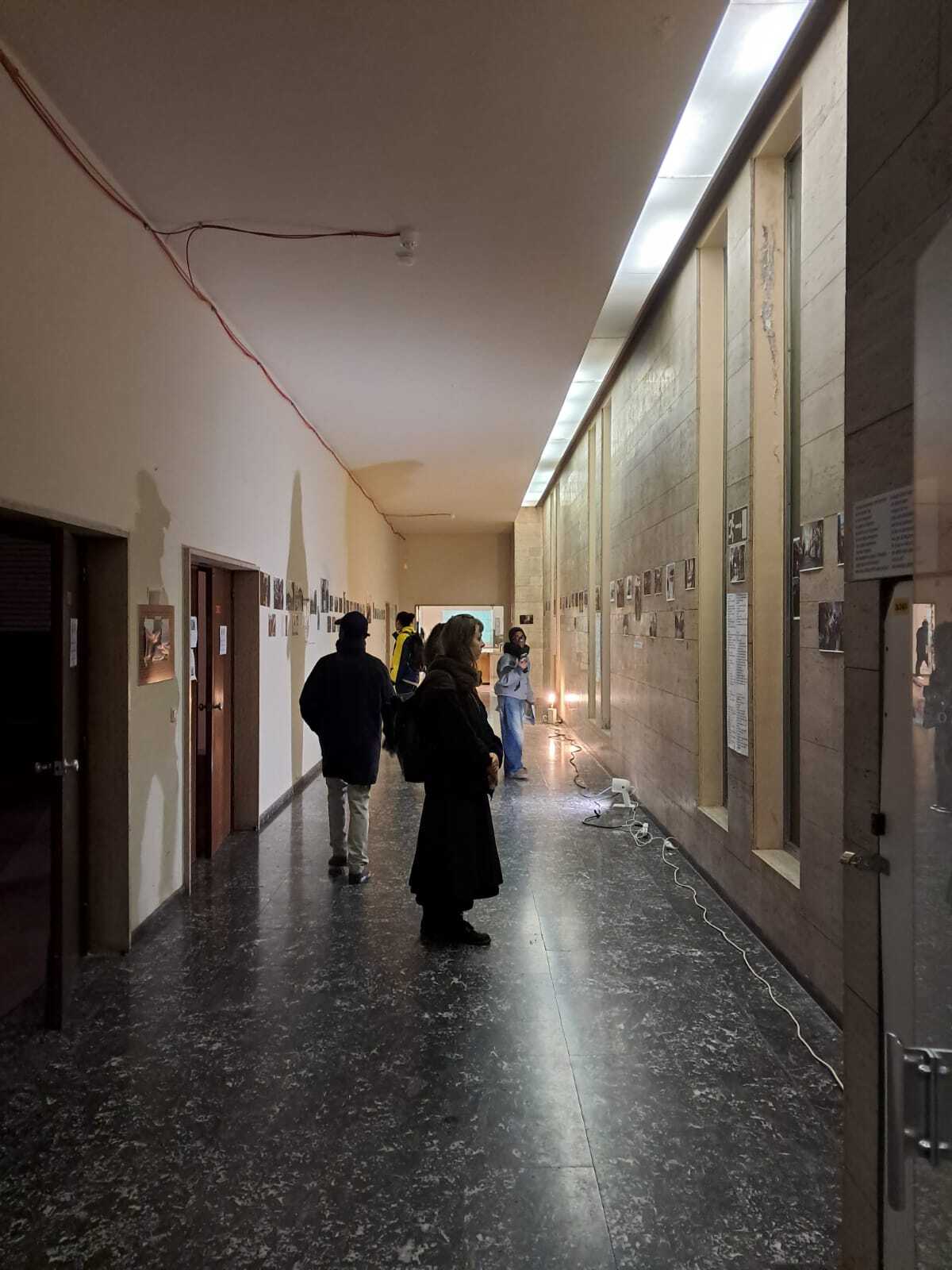
The exhibition was held over a weekend in November 2024. It took place in an occupation—a large former office building in an upper-class Brussels neighbourhood that previously housed a development aid organisation. The ground floor of the building served as the exhibition hall. Upon entering the building, visitors encountered hand-made drawings representing the migration trajectory of two people coming to Belgium, one by boat and one by plane. Subsequently, visitors entered the main hall, where the topic of arrival and settlement was presented (see figure 3). Here, pictures, poetry, and a video installation showed how the insecurity associated with the home country and the migration trajectory do not automatically cease upon arrival. Instead, new forms of uncertainty and insecurity are produced and sustained through internal migration controls.
However, the creative materials did not only depict hardship and suffering. The pictures and texts also portrayed the mundane backdrop of everyday life. They depicted people celebrating birthday parties, young men gaming, women cooking together, children playing in the occupations, and so forth. In addition to everyday life, the works showed the political struggles of unauthorised people for their social and political rights. They portrayed unauthorised people as politicised agents during demonstrations, collective actions, and public rallies. By depicting both hardship, everyday, and political life, the visual narrative explicitly combined damage-centred themes with desire-centred themes. The first concerns an outlook that aims to ‘document pain and loss in an individual, community’ and ‘looks to historical exploitation, domination, and colonisation to explain contemporary brokenness’ (Tuck, 2009, p. 413). Damage-centred topics are dominant when representing unauthorised people and communities (Smets & Ahenkona, 2024; van Meeteren, 2012). A limitation of this approach is that it risks reducing people’s everyday lives to narratives of suffering and victimhood (Fiorito, 2024). Aware of this pitfall, the committee complemented this theme with a desire-based approach, stressing the resilience, creativity and self-determination of the community of unauthorised people. This commitment was reflected in the exhibition’s objectives:
The exhibition aims to make visible to the public the field of tension between exclusion and inclusion in the lives of unauthorised people. It explicitly challenges prejudices about unauthorised people and highlights the role of skin colour in shaping perceptions of migration. At the same time, the exhibition seeks to raise awareness of the issue, showing that unauthorised people do not merely endure structural limitations but also demonstrate creativity in navigating the limited opportunities available to them. We are here to stay.
Meeting report, June 2024
The combination of damage-centred and desire-centred approaches allowed for a message to emerge beyond the oft-cited homogenised accounts of unauthorised people (Saltsman & Majidi, 2021). Instead, the visual narrative aimed to represent ‘people in their full humanity, paying particular attention to their everyday lives, their considerations, values, meanings, and practices, their honourable and not-so honourable strategies and tactics, their likes and dislikes’ (Fiorito, 2024, p. 7). The exhibition’s audience was composed predominantly of Belgian citizens from the majority population, affiliated with various support organisations, as well as Black people without residency status living in the occupation hosting the exhibition or in other occupations across the Brussels-Capital Region. An estimated 200 people visited the exhibition.
The exhibition served multiple purposes. First, as an action initiative, it challenged stereotypical representations of unauthorised people and their negative and unidimensional framing by presenting life in its abundance. The exhibition served as a visual expression of a counternarrative that does not only focus on survival or victimhood. Instead, it showed the abundance of life through visuals that represent everyday experiences and micro-political commitments, including relationships of trust, joy, concern, care, grief, despair, doubt, conviviality, and hospitality. These elements challenged the grammar of ‘otherness’, often dominant in representations of unauthorised people (Smets & Ahenkona, 2024). Secondly, the exhibition served as a way to ‘give back’, both in the long-term and short-term (Brabeck et al., 2014). The exhibition was oriented toward a long-term goal of social change, as the materials produced served to sensitise the general public (see also Fiorito, 2024; Smets & Ahenkona, 2024; Van Buggenhout, 2024). In the short term, individual benefits for the committee members included remuneration and the creation of an extensive paper trail that documents and recognises their efforts (cf. supra). Thirdly, the exhibition generated arts-based data. It is a genre of data collection that values embodied, emotive, and aesthetic ways of knowing as complementary to scientific knowledge (Leavy, 2018). There is an epistemological proximity between PAR and arts-based research (ABR) in that both stimulate the production of ‘non-expert’ knowledges, which facilitates the integration of both approaches (Phillips et al., 2022). Within the framework of ABR, both the process and the end product of artistic production serve as potential data sources (Boydell et al., 2012). The data produced through the creation process includes meeting minutes from the various planning meetings, writing workshops, field notes, and reflections. As for the end product, the exhibition generated a SLAM-poem, a collective text, photographs, and videos. An analysis of these materials falls outside the scope of this publication.
4. Discussion
While the project successfully amounted to a collaborative art exhibition, it also revealed inevitable frictions. The following discussion focuses on two in particular: (1) the tension between participation and autonomy, and (2) the friction between anonymity, protection, and recognition.
The first tension emerged during the planning phase, when the degree of participation was discussed with the community organisation. PAR aims to involve community organisations as full collaborators across all research phases (Vaughn & Jacquez, 2020). In the present study, however, the level of participation varied across different stages. While the community organisation actively shaped the research design and the exhibition as an action-oriented outcome, its involvement in data collection (except for the arts-based data collection) and analysis was more limited.
PAR scholars often envision full initiative on the part of the community organisation as the highest attainable standard of participation (Mata-Codesal et al., 2020; Vaughn & Jacquez, 2020). However, in this case, the community organisation chose not to be directly involved in all stages of the research process. Two main factors informed this decision. First, they had previously participated in participatory research projects, where community members were engaged as data collectors and analysts, but had not been involved in the initial design or framing of the research. As a result, key concepts and research questions were imposed upon them, and, despite good intentions, the project was perceived as highly exploitative. Second, full engagement in all research phases risked overburdening the members of the collective, as they are already charged by their activism. Consequently, they decided to limit their participation to certain phases and certain degrees.
Crucially, because this limitation stemmed from the organisation’s own decision, it does not contravene PAR’s core principle of autonomy—namely, that collaborators should determine the extent of their involvement. These findings suggest that a tension can exist between the ideals of participation and the imperative of autonomy. This article argues that, in research with unauthorised people, the principle of autonomy must take precedence over participation. Autonomy is the principle, whilst participation is the realisation of that principle. Only by prioritising autonomy can PAR ensure that the agency of collaborators remains central—an ethical imperative when working with unauthorised populations (see also, Swerts, 2016). Research that enforces participation risks to strengthen the power imbalance between the principal researcher and the collaborators, and disguises a one-sided academic research agenda (Ozkul, 2020). To avoid imposing externally defined frameworks and problem definitions, collaborators should be involved in the research process from its inception.
Related to this tension are questions of power. Despite intentions to include the community organisation early on, initiating and facilitating PAR remains an enactment of power, as it encourages certain themes and steers away from others (Olesen & Nordentoft, 2013). Given my role as an initiator, the project remained embedded within the institutional framework of a doctoral research project in criminology. Therefore, one must ask: what topics may have been excluded, and might these have been more relevant or beneficial to the community[2]?
Nevertheless, I argue that the exercise of power in PAR is not inherently repressive. Drawing on Foucault, power may be best understood as both productive and transferable (Gaventa & Cornwall, 2008). Power is productive insofar it enables outcomes that would otherwise be unthinkable (Foucault, 1977/2020), and power can circulate through social networks and be transferred among actors (Foucault, 1977/1995). While the initiator exercised power by framing the project and setting the agenda, over time, the collaborators increasingly assumed initiative and responsibility. By the project’s end, the collaborative work had produced materials—an exhibition—that remains the property of the community organisation. This shift illustrates that power, initially concentrated in the role of initiator, can be meaningfully redistributed over the course of the research process under conditions of transparency and trust, thereby contributing to projects of autonomy.
The second friction centres on the tension between the principles of anonymity and recognition, a tension that is particularly salient in PAR with unauthorised people. One way to approach this is through the lens of visibility. According to Brighenti, visibility has two possible outcomes: control and recognition (Brighenti, 2007). In the first instance, visibility enables control and functions as ‘a form of knowledge that makes things and subjects apprehensible and thus governable in some way’ (Tazzioli & Walters, 2016, p. 447). When control is the outcome, visibility entails disempowerment (Brighenti, 2007). For unauthorised people, this risk is particularly pronounced. Their mere presence on national territory is sanctioned or penalised, and they are subject to surveillance, detention, and deportation (Guild, 2009). It is well-documented that many unauthorised people prefer to remain below the threshold of visibility to reduce the risk of apprehension (Amer & Leung, 2023; De Backer, 2022b). Adhering to collaborators’ anonymity can therefore be seen as a protective measure aimed at preventing disempowerment through visibility.
However, visibility is also a necessary but not sufficient condition for recognition (Magalhães & Yu, 2022). For minorities, being invisible means being deprived of recognition and consequently reproduces their social exclusion (Brighenti, 2007). This question is especially complex for unauthorised people. In Belgium, opportunities to regularise one’s legal status are minimal. The main route—regularisation—requires proof of integration, such as a paper trail documenting one’s social contributions to Belgian society. Thus, visibility becomes instrumental for attaining residency status. This paradox—the need to remain invisible for safety while requiring visibility for recognition—is central to the lived experience of unauthorised people (De Backer, 2022b).
This research resolves the tension between control and recognition by enabling collaborators to make autonomous decisions about their level of anonymity (Banks et al., 2013; Gordon, 2019). Participants were allowed to choose whether to be identifiable within the research, thus avoiding paternalism and affirming their autonomy. Nevertheless, this approach does not absolve the possible harms of becoming visible, and consequently, decisions around anonymity must be made with caution and evaluated in relation to specific contexts. In this study, several factors informed participants’ decisions to be identifiable as collaborators. They assessed the risks associated with being publicly identified to be low. As militants, they are accustomed to heightened degrees of visibility. Also, despite harsh anti-migration rhetoric at the federal level, certain informal practices of toleration exist locally (Adam et al., 2002). These practices suggest that not all encounters between police and unauthorised individuals lead to apprehension. Many unauthorised people are aware of these practices and adapt their behaviour to this liminal space of informal toleration (De Backer, 2022b). These contextual factors must be taken into account when weighing the ethical considerations between protective anonymity and recognition.
5. Conclusion
This article has demonstrated how PAR can contribute to democratising knowledge production and circulation in research with unauthorised people. First, it helped democratise knowledge production by inviting a community organisation into the cockpit of all phases of the research. Through this collaboration, the curatorial committee steered an epistemological shift from damage-centred to desires-based research and co-produced knowledge grounded in these perspectives. Second, the project contributed to democratising the circulation of knowledge through the creation of an exhibition to sensitise broader publics to the complexities of the condition of living without residency status. This aligns with Levitt’s position that ‘the fruits of what we do should make a difference to the lives of the people that we study’ (Levitt, 2023, p. 862).
The article also shows that participatory research with unauthorised people is not a linear process but an ongoing negotiation of diverging interests, institutional constraints, and ethical tensions. These tensions should not be regarded as failures, but rather as intrinsic to PAR, which requires continuous adaptation and reflexivity. While golden standards of PAR exist, they are secondary to the principle of autonomy. By reflecting on these ethical dilemmas and offering a first-hand account, this article contributes to broader conversations on how participatory action research can be conducted ethically and effectively with unauthorised people. It underscores the importance of collaboratively designing research that is responsive to the lived realities and priorities of the communities involved.
Literature on irregular migration uses a variety of terms to categorise people without a valid form of authorisation, including rejected asylum seekers, visa-overstayers, and people whose residence permit has been withdrawn. The naming, however, is important because concepts actively shape reality and thus risk reproducing power hierarchies (Danermark et al., 2019). I use the term ‘unauthorised’ to highlight that it concerns a status that is made through alien law, policy, and bureaucratic procedures (see e.g., De Genova, 2002; Kox et al., 2020). Beyond the term ‘migrant’, I prefer the more neutral denominator ‘people’ to counter statist visions of migration and hope to contribute to the humanisation of people on the move (Basaran & Guild, 2017).
Question inspired by Dillon’s foucauldian analysis of power relations in PAR (Dillon, 2014).