INTRODUCTION
Education is a well-known predictor of the health and well-being of young people worldwide (The Lancet Public Health, 2020; Viner et al., 2012). Adolescent mothers in South Africa show heightened risks for school dropout, as well as rapid repeat pregnancies and HIV acquisition (Jochim et al., 2021; Steventon Roberts et al., 2022; Toska et al., 2022). Early motherhood constrains social and economic opportunities (Branson et al., 2019) and is associated with many negative health outcomes (Mokoena & Van Breda, 2021; Stoner et al., 2017). In South Africa, 35-50% of adolescent mothers do not return to school after giving birth (Jochim et al., 2020). Markers of school withdrawal include being grade-delayed at the onset of pregnancy, having an unplanned pregnancy, and lacking information from caregivers (Jochim et al., 2020). Protective factors have been identified and can influence young mothers’ return to school - these include enrolment during pregnancy, post-partum access to childcare services, favourable school environment and access to social resources (Groves et al., 2022; Jochim, Cluver, et al., 2023; Jochim, Meinck, et al., 2023). Education sector policy and interventions can play an important role in counteracting risks and building protective pathways for pregnant and mother learners. Policy implementation currently relies on school-level stakeholders and supportive family, peer and community networks. Recognising the importance of these role-players, we embedded this study in the school environment and intentionally engaged with a diverse set of stakeholders in this collaborative research.
Pregnant and mother learners’ own perspectives on supportive, school-based approaches are understudied, and multi-stakeholder collaborative responses and solutions are sparse (Brady & Brown, 2013). In educational institutions, adolescent mothers have described enacted stigma, and interpersonal processes of ridicule and shame, where stigma can lead to discontinuation of schooling due to pregnancy (Pillay, 2021). Understanding the nuances of this experience and possible responses necessitates research methods that recognise and counteract stigma, to understand the meaning and experience of adolescent pregnancy and young motherhood without judgment.
Recognising the significance of school-level role-players in shaping the response to learner pregnancy and a gap in participatory research with learners on supportive responses and solutions, we identified a theoretical and practical framework for engaging with diverse groups of stakeholders. The Observational-Reflective-Interpretive-Decisional (ORID) (Stanfield, 2000) facilitation framework provided a systematic, structured approach to enable participatory dissemination, reflection, interpretation and action-planning. Grounding ORID in interactive and participatory activities, we aimed to shift power in the research process and co-create potential school-level solutions that influential school-level decision-makers could feasibly implement. The methods we employed informed a toolkit for educators, aligned to South Africa’s national policy, with practical evidence on the needs of pregnant and mother learners, aiming to improve school-level learner support strategies and practices.
The need for participatory engagement in the secondary school environment
Our study context and focus on understanding support structures for pregnant and mother learners necessitated engagement with a diverse group of stakeholders: adult school and community role-players responsible for implementing policy and practice and learners whose teaching and learning environment is impacted by these policies and practices, including pregnant and mother learners and their peers (see Table 1 for study participants and rationale). Informed by more than a decade of adolescent-focused research with Teen Advisory Groups (Cluver et al., 2021; Gittings et al., 2022) and acceptability research on adolescent health and social interventions (Somefun et al., 2021), we selected participatory approaches that prioritised experiential knowledge and perspectives in the identification of school-level challenges and solutions (Casale et al., 2022; Cornish et al., 2023; Cornwall & Jewkes, 1995). The approaches purposefully used a mixture of written and illustrated feedback that accommodated participants’ engagement preferences and captured the diversity of perspectives, which we elaborate on later.
The use of participatory approaches invited rich discussion, feedback and potential solutions from adult stakeholders and enabled the research process to simultaneously centre learners’ agency and leadership on their health, education and wellbeing. Identifying clear decision-making roles for learners in this research was supported by an enabling environment for meaningful youth participation: to realise a vision of cooperative governance, the South African Schools Act (84 of 1996) mandates learner representation through the Representative Council of Learners (RCL), with some members participating in school governance. While policies support pregnant and mother learners’ access to education, there is a lack of focus on their active representation in governance structures like the RCL, highlighting a critical gap (Department of Basic Education, 2021; Msweli, 2021; South African Government, 1996). This methodological reflection considers the need to foreground the voices of pregnant and mother learners in policies and practices that directly affect them.
This methodological paper arises from the Khanyisa Ngemfundo[1] study, a multi-stage, mixed-method study focused on exploring support mechanisms for pregnant and mother adolescents schooling in rural and peri-urban secondary schools in the Eastern Cape. For this study we were guided by the Objective-Reflective-Interpretational-Decisional (ORID) facilitation framework (Mezirow & Taylor, 2009; Sango et al., 2022). ORID guided our direct engagements with stakeholders and our consistent and meaningful engagement with all stakeholders.
This paper has three sections. First, we contextualise and situate the Khanyisa Ngemfundo project within a broader inquiry into adolescent sexual reproductive health and experiences of pregnant and mothering learners in the school setting. This includes a description of the methods, setting and recruitment of participants presented in Table 1. Second, we outline the procedures of Khanyisa Ngemfundo and introduce the ORID methodology, its research applications, and how it fit within our multi-phase study. The final section to provides a detailed description of our ORID adaptation (Table 2) and a discussion and demonstration of the context-specific experiences that shaped our approach. Here, we discuss team dynamics, reflexivity, ethical considerations and study limitations, followed by concluding remarks.
METHODS
For the Khanyisa Ngemfundo research study we undertook three phases of data collection and co-generation, beginning in May 2023 and ending in June 2024. Khanyisa Ngemfundo was informed by findings from a longitudinal mixed-methods cohort study of adolescent mothers (n=1,046) in Eastern Cape, South Africa called “HEY BABY” (Helping Empower Youth Brought up in Adversity with their Babies and Young Children). HEY BABY identified that between 35-50% of adolescent mothers in rural and urban areas of South Africa do not return to school as well as multiple risks and protective factors that could be considered in policy implementation (Jochim et al., 2020, 2021). These findings led us to undertake formative participatory research with our Teen Advisory Group, which included adolescent parents and other young research advisors. Supportive role-players and services in their school and surrounding communities were identified as holding potential for facilitating school re-enrolment (Coakley et al., 2026; Kelly et al., 2025). Our combined findings pointed to a clear need to better understand the support systems needed to facilitate school continuation and return. Further, the South African Department of Basic Education called for school- and community-engaged research to inform the implementation of their policy on the Prevention and Management of Learner Pregnancy in Schools (Department of Basic Education, 2021).
This paper explores and documents the creative, agentive and participatory methods used in the Khanyisa Ngemfundo study, which engaged with the ORID facilitation framework and qualitative, arts-based participatory research methods. The overarching study was guided by the following research questions:
(i) How do school level stakeholders (including young people) understand, experience and describe the support structures and wider community-based infrastructures that are available for supporting pregnant and mother learners in their school setting? How do these support structures and infrastructures work, and where can they be improved?
(ii) How do school-level stakeholders perceive and respond to intervention recommendations for supporting pregnant and mother learners (acceptability), and how do they envision these recommendations could be implemented (feasibility)?
Setting
Khanyisa Ngemfundo took place in the Eastern Cape province of South Africa, which has one of the highest rates of adolescent pregnancy in the country: In 2021/22 the national rate of deliveries to 15-19-year-olds was 57.9% while the Eastern Cape rate was 62.1% (an increase of 16.1% from 2017/18) (Barron et al., 2022). In identifying schools in these districts, we (i) considered schools from the HEY BABY research study where we had an existing connection and learner pregnancies were reported at that time, and (ii) reviewed Education Management Information Systems (EMIS) data provided by the provincial department of education on current learner pregnancies, identifying schools in both urban and rural settings that had reported pregnancies as well as a functioning school-based support team structure and representative council of learners structure. Once a potential pool of schools had been identified through this two-pronged approach, the provincial department of education connected us with the relevant district officials who chose two appropriate schools per district (four schools in total) based on our inclusion criteria.
Participants
This study engaged with several groups of participants across the four schools. Table 1 below describes these participant groups and the motivation for their inclusion in this study. It then describes other methods used in the study, building on and complementing the application of ORID.
Non-probability convenience sampling was used with sensitivity and flexibility towards stakeholder availability and responsibilities, ensuring minimum disruption to the critical health, social and educational services they provided; we also worked with schools to ensure contact time for learners was protected.
ORID workshops took place during the school day on the school premises, and during times endorsed/supported by the school so as not to displace any teaching contact-time and to avoid inconveniencing young mothers and other learners’ time outside of school, used for childcare and school work.
Ethics
This study was approved by the University of Cape Town Centre for Social Science Research Ethics Committee (CSSR 2023/01), the University of Oxford Social Science and Humanities Interdivisional Research Ethics Committee (R87172/RE001) and the Eastern Cape Department of Education.
In the sections that follow, we elaborate on the ORID approach and its unique application to the Khanyisa Ngemfundo study via workshop-format engagements and thereafter, elaborate on the various adaptations we made to suit the needs of our participants and context.
Procedures
The Khanyisa Ngemfundo study took place in four phases between 2023 and mid-2024.
The first phase focused on evidence review, continued secondary analysis of pre-existing quantitative and qualitative data, and stakeholder and context mapping; the second phase focused on stakeholder engagement with in-person ORID-driven workshops to disseminate HEY BABY research findings and explore school-level responses and solutions, at school locations or alternative venues. We conducted one workshop with each group, over a full day from 9:00 am to 15:30 pm and included arts-based activities for group-based engagements. The third phase encompassed participatory design activities with stakeholders to inform a toolkit for SBSTs and educators, and the fourth and final phase included validation workshops to refine the toolkit. Subsequently, in a dissemination event, the toolkit was presented to key influential stakeholders, focusing on optimal dissemination channels for educators, who are the primary audience of the toolkit. The event was attended by representatives from the Eastern Cape Education Department, participants (SBST, CSOs, schoolteachers) in the KN study, a national news station, SABC, and potential collaborative partners.
Learners were intentionally excluded from the event because the toolkit was aimed at educators, and we invited people who were unfamiliar with the learners in our study. Ethically, it did not feel like an appropriate space to invite learners into a room full of adults who might assume they were there to talk about their experiences of being pregnant or mothering learners at school. Our decision was reaffirmed when a national news channel looked for pregnant learners to interview for television, which would have exposed learners to unvetted questions and disclosed their identities, and possibly, pregnancy or young motherhood status, to an unknown national audience. Despite their absence, their role throughout the study was invaluable. Involved in Phases 2-3, these learners, who opted into the study via their school, shared their experiences of pregnancy and motherhood (Phase 2) and identified key role players and sites of learner support in their school and community (Phase 3). Their input was incorporated into Phase 4, validation workshops, which focused on finalising the toolkit with educators, policymakers and CSOs.
ORID framework and methodology
ORID is a focused conversation method (Aslam et al., 2021; Stanfield, 2000) developed by the Institute of Cultural Affairs under Technologies of Practice. The framework is rooted in facilitation theory and practice, enables incremental group learning and accounts for participants having varying levels of background knowledge and/or lived experience on a particular research topic (Mezirow & Taylor, 2009; Sango et al., 2022). It is used in individual and group contexts and emphasises the structured process of observing, reflecting, and interpreting before making decisions. While ORID is a structured process that uses four sequential steps, activities to implement each step are designed by the teacher/researcher/facilitator. As a result, the needs of the study/topic, context, and participants/students shape how ORID is designed and facilitated.
Historically, ORID has been used for student assessment and as a tool for learning (Astuti, 2011; Carson, 2006; Fadlelmula & Qadhi, 2024; Wee, 2008; and Cheng, 2015). Carson (2006) describes the challenges of teaching a course with a mix of local and international students, creating a diversity of experiences in her classroom. Often, students complained that the course content, Consultation and Participation in Democracy, was not relevant to their lived experience. As a result, Carson (2006) used ORID as a learning tool for students to inquire more about their classmates in small groups and, in so doing, highlight the unique experiences of democracy in their classroom. ORID has also been used in research studies to facilitate deep dialogue between researchers and primary local stakeholders. For example, Mohan et al. (2003), described using ORID as a conversational tool with local stakeholders about co-management of a sea urchin fishery in Barbados. It was also used in a Public Health setting where the authors hosted a dissemination workshop to understand the enablers and barriers to early detection of breast and cervical cancers by healthcare practitioners (Tshabalala et al., 2023).
ORID originated in Canada, has been used extensively in the United States and infrequently in Asia and Africa (Astuti, 2011; Boshoff & Hough, 2021; Tshabalala et al., 2023). In South Africa, ORID was used in a 5-part teaching assignment for a first-year Business Communications course, of which ORID came last as their reflective component (Boshoff & Hough, 2021). In Zimbabwe, the Combined HIV Adolescent Prevention Study (CHAPS) used ORID with adolescents to conduct participatory dissemination, interpretation and translation of their study results (Sango et al., 2022). Overall, ORID has been used to facilitate discussion and gather feedback in knowledge-sharing and knowledge-creation spaces (Bailey et al., 2006; Bain et al., 2021) to explore or make decisions. Khanyisa Ngemfundo is one of the few studies that has used ORID in South Africa and to our knowledge, this is the first time it has been adapted for use in a secondary school setting, on learner pregnancy. Khanyisa Ngemfundo contributes a unique use of ORID as it was combined with arts-based, storytelling techniques and participatory approaches. Along with being designed and facilitated through a mixture of English and isiXhosa, ORID was flexible and a dynamic framework to work within, enabling iterative refinement, as described below.
ORID in Khanyisa Ngemfundo
The study is situated in South African secondary schools and surrounding communities and draws on multiple stakeholders who are identified as agents of change and role-players in the implementation of government policy. Our approach to stakeholder engagement combined three components. Firstly, the sequence of O-R-I-D prescribed conversational milestones for our workshops. Secondly, principles of participatory research that aim to diverge from traditional, extractive methods towards a subjective, context-specific approach that values experiential knowledge and learning towards a social justice outcome (Lenette, 2022). This was supplemented with “everyday ethics” (Banks & Brydon-Miller, 2018, p. 17), an approach to ethical engagement that drew our attention to the importance of trust and reciprocity, contextual nuance and social etiquettes, which all contributed to an iterative process of getting to know one another and co-producing knowledge on the topic of learner pregnancy and mothering.
Third, we chose storytelling and arts-based techniques to guide our presentation of complex data, and design flexible activities for the ORID framework, encouraging participants to express themselves through conversation and creative methods. To ensure accessibility and help destigmatise learner pregnancy, we drew on visual literacy (Wheeler et al., 2018): visual translations of HEY BABY findings decorated the walls, serving as visual narratives and reference points throughout the day (discussed further below). Engagement prioritised personal experiences through adaptable multimodal methods (Westmoreland, 2022). We believed that creative tools - such as colour pens, sticky notes, and drawing – would foster a comfortable, informal atmosphere and shift the dynamics in the room, allowing us to decentre ourselves and participants the space to lead conversations (Lenette, 2022). We did not, however, make engagement exclusively arts-based, as some participants preferred to speak or write. The inclusion of arts-based methods enabled us to expand our activities to include drawing, for example, while participants ultimately chose their own means of expression. Participatory research key tenets draw on the Freirean tradition of liberation education, which starts with the people’s experiences and provides the tools and scaffolding to analyse and make meaning of these experiences with the goal of collective action and social change (Teixeira et al., 2021). Youth participatory action research further encourages a multi-faceted focus on engagement and understanding the power differentials embedded in youth-adult partnerships so that young people’s voices are amplified in efforts of change (Teixeira et al., 2021). The principles that underpin participatory research strongly shaped our research design, in-person workshops and toolkit development. For the Khanyisa Ngemfundo research study, the process of ORID that came together started with choosing an appropriate combination of frameworks. Thereafter, we took time to discuss and anticipate the various needs of participants and further adjusted our research design by considering our research team’s methodological and empirical understanding of the strengths and vulnerabilities of young mothers, the situation of learners in the Eastern Cape and with sensitivity towards deeply rooted socio-cultural norms (Toska et al., 2020). Specifically, our methods and activity formats were flexible, inviting participants to exercise their agency and find comfort in the research encounter (Laurenzi et al., 2025). Finally, paying attention to the contextual nuances and relationship dynamics during our workshops and discussing our encounters and observations as a team, we continuously adapted ORID to be responsive to and inclusive of our participants’ needs. Practical examples of how we approach each of these steps are explored in detail in the following two sections: Adaptations; Positionality and Reflexivity; and Power Dynamics.
Anticipating the needs of our participants was a crucial step in our design and use of ORID. Our combined knowledge of the topic and transdisciplinary research experience (see Research Team Composition under Positionality & Reflexivity, pp 20) and context of the research helped us prepare for the groups’ diversity and our capacity as researcher-facilitators to foster a supportive and productive environment. Firstly, we understood that our activities would elicit anecdotal and experiential data from participant groups with direct or indirect involvement with pregnant and mother learners in schools. This was supported by our arts-based storytelling methods, which encouraged and facilitated groups to share personal stories. Second, we anticipated varied levels of engagement from participants. With this in mind, we chose group work as the primary form of engagement to encourage collaborative thinking and doing. Third, many stakeholder groups spoke isiXhosa as their first language, which meant that our activities, materials and facilitators had to be versatile and facilitated in English and isiXhosa. Last, we actively acknowledged that the topic would be sensitive for some, especially pregnant and mother learners. As we elaborate later, ensuring a safe environment for participants to tell their stories was central to all our adaptations to ORID. The result included a participatory community and story mapping, creating opportunities for adult and learner stakeholder groups to voice their experiences, concerns and proposed solutions in their own words, without judgment (Essak et al., 2019; van Blerk et al., 2023).
‘How’ ORID was used and adapted for participant groups.
From our knowledge of the subject and literature, we know the topic and experiences of learner pregnancy would be perceived differently between stakeholder groups, given the stigma that is often associated with adolescent pregnancy (Ajayi et al., 2023). As a team, we discussed the different stakeholders and their different positions to learner pregnancy. The anticipated dynamic between learners, educators and community members and the positions they occupied within or in relation to/in support of the school shaped our facilitation approach with each cohort. The cultural context of power between young and adult participants directly influenced the way we divided participant groups, designed their prompts and facilitated their engagement. For example, we seriously considered the risk of stigma and discrimination of pregnant and mother learners and instances where such tensions might emerge between participants during our study. The power-relations between School-Based Support Team (SBSTs) and learners had clear demarcations of adultism and hierarchy between them and similarly for the School Governing Bodies (SGBs) who represented the parents of the school. We prioritised our ethical standpoint to protect learners and chose to design learner- and adult-specific workshop facilitation guides. We also considered potential power dynamics between the Representative Council of Learners (RCL) and pregnant learners and enacted stigma on pregnant and mother learners (Bhana et al., 2010; CGE, 2023; Otegbayo et al., 2023). To mitigate such tensions between learners, we further divided learner groups between pregnant and mother learners and RCL learners mixed with other students to have a more diverse student perspective.
Our decision to divide stakeholder groups and facilitate them separately was further supported by two factors. First, the need to give participants the space and opportunity to share their experiences with one another without feeling judged. Second, the design of context-specific and participant-specific prompts made it easier to facilitate and capture the multiple perspectives and layers around learner pregnancy. For learner groups we designed prompts and activities that were about direct experiences or observations of learner pregnancy at school. For adult stakeholders, (SBSTs, SGBs and CSOs), our prompting focused on the management, communication and referral of, and support needed during pregnancy and early motherhood. The advantage of using an iterative study design was the provision of time and space to foster rapport and be transparent about why we hosted them separately and about our aim to merge the groups at a later stage. This was well-received by all cohorts and made phase 3 with merged groups an easier transition.
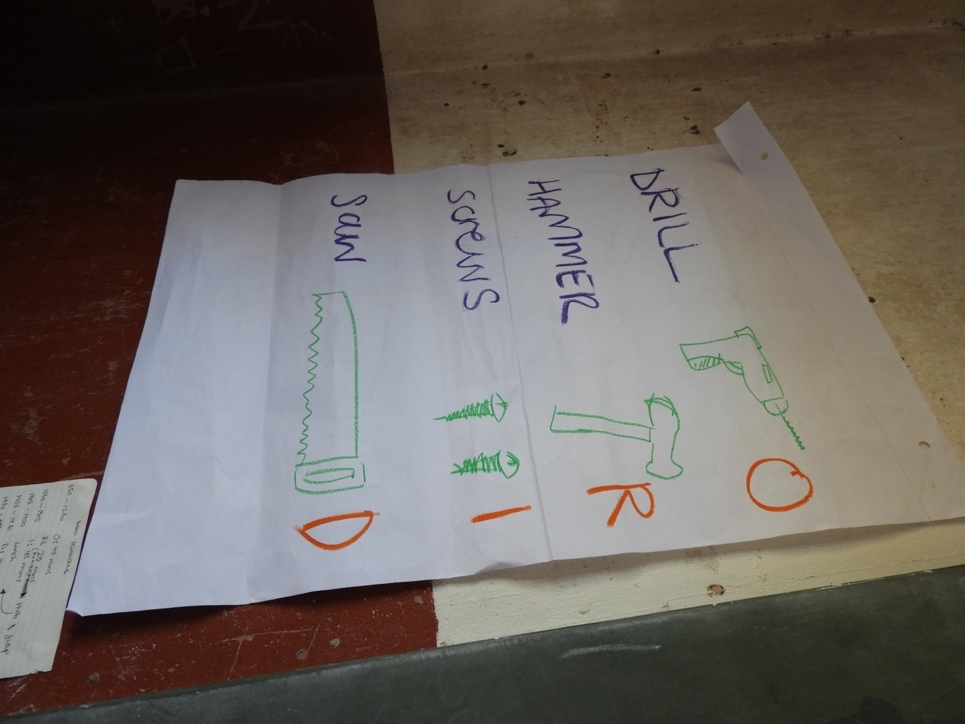
Facilitating cohorts separately also gave participants the opportunity to familiarise themselves with the study and the ORID approach. ORID as our guiding method was made explicit to participants, and we spent time taking each cohort through an explanation of how ORID works using a small activity and visual aid (Figure 1. Photograph of ORID explanation activity).
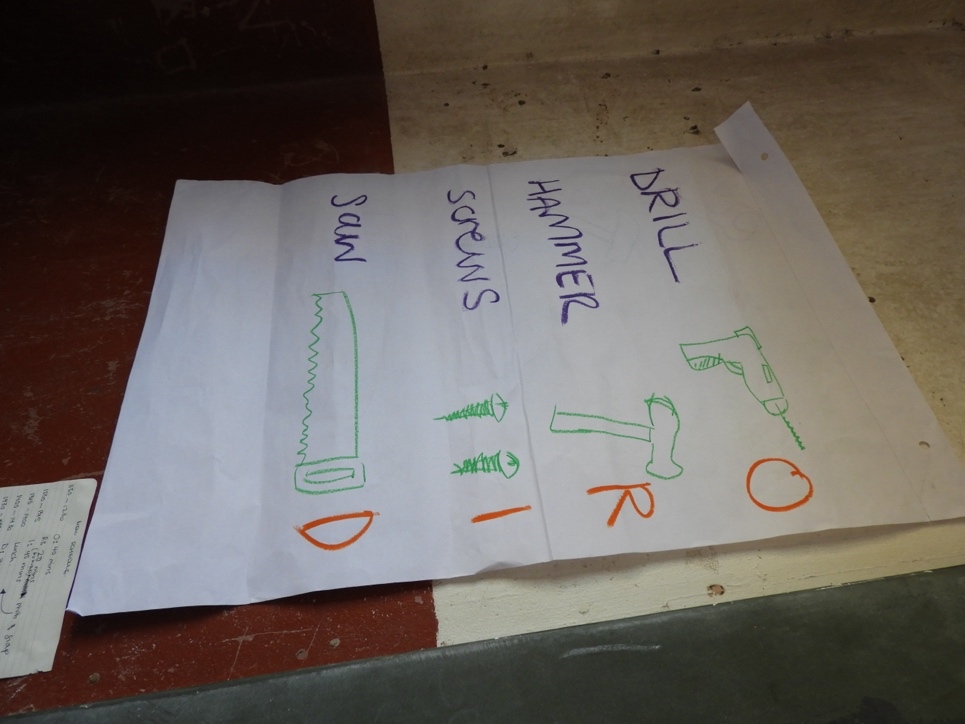
Thereafter, we could refer to the introductory session as we moved through ORID to help participants understand the steps throughout the day and to demonstrate how the data they generated took shape into decision-making/practical ideas.
We dedicated time and effort to fostering a safe environment in which stakeholders could openly share their experiences with one another to establish a sense of trust and rapport. Days began with an ice breaker using dance and song to introduce team members in a fun, humanising way. The workshop was strictly ‘closed’ to ensure privacy; only participants and researchers were allowed in the room. At one school, the principal opened sessions briefly but thereafter respected this boundary. As shown in Table 2 below, we used the first part of the workshop to do “Housekeeping”: outlining the day, checking expectations, and agreeing on how we wanted to treat one another. We then moved into a session on consent – what it means, why it matters, their rights over their data, and how we planned to use it. Consent forms were carefully written and printed in English and isiXhosa, with facilitators supporting small groups while the main facilitator moved slowly through the form, pausing for questions, and leaving time for discussion. A detailed referral protocol was in place, including referrals to an Eastern Cape-based organisation that provides psychosocial services, as elaborated in the following section: Sensitivity of the Topic. Altogether, moving slowly and having well-established protocols of care underpinned our engagement.
Throughout the day, we spent time in group discussions, answered questions, and chatted with participants about non-research things. The workshops were lively with discussion, and majority of learners loved posing for photos, which we happily took and later sent to the schools. During lunch time, we learned that some participants preferred to take their food home, so we began providing takeaway containers. To show our gratitude, participants ceremoniously received ‘Thank you packs’ and certificates of participation, followed by group photos. Some schools requested photos for their websites and newsletters to demonstrate their role in this study.
Overall, our facilitation techniques endeavoured to mitigate judgement and affirm the feelings and experiences of everyone – especially pregnant and mother learners. Together, these efforts created a space where both learners and adult stakeholders could share their experiences and feel genuinely validated by the researchers and one another.
Positionality & Reflexivity
As a team, we approached positionality and reflexivity as an ongoing process of reflection and action. In reflection, we acknowledged that our individual experiences, personal characteristics, and identities shaped our engagement with others. In action, we set time aside to discuss leveraging our team composition, roles and dynamics to foster a comfortable atmosphere for participants and practice reflexivity. By integrating everyday ethics and reflexivity – such as ensuring participant and researcher well-being and addressing potential biases – into our practice, we were able to navigate the complexities of our research with sensitivity and integrity, by being attuned to the unique needs of participants and being ready to shift roles and responsibilities as required and ensuring that our work remained both ethically sound and methodologically rigorous (Canosa et al., 2018; Lazard & McAvoy, 2020; Olmos-Vega et al., 2023).
Research Team Composition: Our research team was composed of diverse members who brought unique skills and perspectives to the study. Our team’s diversity—encompassing different ethnicities, genders, ages, both interdisciplinary and transdisciplinary research experience—was a key strength that we leveraged to enhance our approach. The team consisted of 10 people, including project PIs, senior researchers with backgrounds in social and health intervention design and research, public health, social work, and research psychology a postdoctoral research fellow, a junior research fellow, two senior research assistants, and two master’s students. Our team was racially[2] diverse and spoke more than six of South Africa’s national languages, including English, isiXhosa, Afrikaans, Zulu and more, with ages ranging from mid-20s to 50s.
The team conducting the workshops included primary facilitators, support facilitators, and logistical support personnel, each contributing their expertise. To work effectively as a team, we maintained open communication. We held regular training sessions, particularly on ORID and our facilitation guide, to ensure that we shared the load of facilitation and other responsibilities. This allowed us to lean on people’s talents, creating a balanced and inclusive environment. Below, we highlight and discuss examples of how our close attention to individual and collective positionality shaped our roles in the research process, providing insight into our unique team dynamic and demonstrating the relationship between researchers and the data collection process.
Roles, responsibilities, and team dynamics: At the beginning of each research phase, roles were carefully assigned based on each member’s strengths, preferences, and specific study needs. Internal training sessions at the start of each phase were crucial for maintaining consistency in our data collection practices. These sessions, covering facilitation skills, quantitative and qualitative data methods, and specific techniques like ORID, contributed to skill-building across the team and improved our collaboration throughout the data collection process and later, analysis. Establishing clear roles also clarified our communication channels. Responsibilities, such as logistical changes, workshop adaptations, resources and materials, referrals, and psychosocial care, were distributed among the research team and shared with participants at the start of each workshop. This approach ensured a fair distribution of labour and rested on internal trust. The debriefing sessions - covered below - then became essential for closing the loop of communication.
Adaptability was key. We stepped into each other’s responsibilities to meet the diverse needs of participants. For instance, facilitators were assigned based on participants’ primary language, prioritising comfort and participation. While English-speaking colleagues often took on support roles, the focus was always on inclusivity. Facilitators fluent in isiXhosa, isiZulu, or English were essential for workshops in rural areas. When translation was needed, team members quickly collaborated to translate and keep everyone informed and engaged. Age and language also mattered; at one school, an “older” isiXhosa-speaking female facilitator was more appropriate for the cultural setting since she was familiar with what constituted respectful etiquette and communication.
We rotated roles to avoid overburdening any single facilitator. This practice ensured that the workload was evenly distributed and that all team members remained fresh and engaged. As a result, each of us focused on different aspects during the workshop, making debriefing after each workshop essential. Debriefing was designed to provide an opportunity to discuss challenges, celebrate successes, and document significant observations that would inform changes to facilitation and workshop design. Regular reflection through these debriefings helped us continuously refine our approach and maintain high-quality engagement with participants. Even when exhausted after a full day of workshops, we made it a point to hold these debriefings as a formal practice, whilst informal check-ins happened during workshops.
Accommodating changes in logistics was a key part of our everyday ethical practice. Whether we adjusted to tight schedules, rearranged the workshop agenda to allow participants to leave early for transportation, or moved lunch times due to delays in catering, our team remained adaptable. This adaptability was not only about logistical efficiency but also about respecting and responding to the needs of participants. By being flexible, we ensured that participants felt valued and could fully engage in the workshops regardless of their group’s geographic setting or specific logistical requirements.
This co-engagement between researchers and participants, facilitated by our flexible approach, was essential to navigating the complexities of workshop days. It allowed us to maintain a responsive and respectful environment, where the positionality of both the team and participants was acknowledged and integrated into the research process. This approach helped us build trust and rapport with participants, ensuring that the research was conducted in a manner that was both ethical and effective across diverse settings.
Reflexivity in Practice: Our team viewed reflexivity as a continuous process of examining how our backgrounds, perspectives and actions shaped our interactions with participants and the data we collected. This self-awareness enabled us to adjust our approaches in real time, ensuring that our research remained ethical and responsive to the diverse contexts we encountered. To maintain a reflexive approach throughout our research, we implemented several key strategies:
Observation & Reflection Notes: At least one team member took standardised notes at each workshop, capturing immediate thoughts, feelings and observations. These notes were reviewed collectively during analysis, helping us identify potential biases or influences on our interactions with participants and data interpretation.
Regular Debriefing: Formally held after each workshop, debriefing was a space for critical reflection, emotional support and open discussions. This enabled us to iteratively adapt our approach to meet the needs of our study and participants better.
Group Thematic Analysis: Our qualitative analysis was collaborative, composed of a six-person coding team which included a range of students, early career researchers, and senior researchers, with regular discussions that incorporated multiple perspectives. This iterative process minimised individual biases and deepened our understanding of the data, as each team member’s unique positionality enriched the interpretation. Workshop participants were not part of formal analysis, however the “I”, interpretation stage of ORID formed an important precursory step where they interpreted their own observations (O) and reflections (R) before moving towards collective decisions (D).
ORID adaptations
Participants’ engagement with each activity informed adaptations to ORID. We adjusted activities in real time based on participants’ feedback – slowing down and breaking instructions into smaller, digestible segments when participants expressed confusion or asked for further clarification. In earlier iterations we realised that multiple prompts would overwhelm people, which meant that we needed to reduce and refine the prompts without compromising the aims of the activity. For example, simply prompting participants to list their observations (‘O’ in ORID) of learner pregnancy at school produced minimal feedback. It required facilitators to add more explanation in the small groups, which took away from the time dedicated to that prompt and generated less data than we had hoped for. We attributed part of this difficulty to the sensitivity of the topic and learner participants being unsure of what they could mention on one hand and what they were willing to share about their personal experiences on the other hand. This prompted us to consider alternative ways that participants could speak about their personal experiences without feeling exposed.
We chose to incorporate character design and drawing into the ‘O’ stage of ORID where participants, in their small groups, created a character of a pregnant or mothering learner and told her story by answering more focused prompts. We wanted the character to feel relatable and real, so we included prompts about her name, age, grade, family life, and ambitions and sprinkled in questions about her pregnancy experience at school. The use of personas in research has demonstrated that relatable symbols can be constructed while creating conceptual distance between current reality and the topic of discussion (Bucher, 2020). This approach allowed pregnant and mother learners to externalise their experiences through a fictional character of their own making. While they drew on their own experiences, they also incorporated those of others. By saying “she experienced” instead of “I experienced”, participants could share their stories without directly owning them, reducing the fear of judgment. This shift led to more detailed accounts of their or others’ experiences at school and made the activity engaging for all participant groups.
Phase 2 workshops worked through dense HEY BABY research findings, which, as mentioned earlier, encouraged our use of visual aid during engagements. Visual literacy makes use of a wider range of interpretive elements from colour to form, texture and more and can be illustrated and designed to be context specific (Wheeler et al., 2018). We translated the research findings into illustrations of pregnant learners, their babies, and others, such as family members or teachers, arranging them sequentially to create a visual narrative of the data. This approach grounded discussions about learner pregnancy and mothering in the research findings, served as a facilitation tool, and helped reduce stigma while making participants feel more at ease sharing their experiences.
The workshop started with an overview of quantitative from the HEY BABY study on learner pregnancy in Buffalo City Municipality, Eastern Cape Province. This included statistics on pregnancies per 100 girls in school, dropout and retention rates, and the impact of contextual factors like travel distance and poor caregiver relationships on pregnant and mother learners (Jochim et al., 2022). We also presented initial findings and support recommendations for participant feedback, such as in-school peer support. Table 2 below shows the workshop programme, the original activity design and adaptations made in response to participants’ engagement, offering a step-by-step and side-by-side overview – thus demonstrating our iterative process.
Additionally, the schools in our study setting shared a demographic of black and/or coloured learners, staff and community members. To make the visuals representative and relatable, all the characters we used shared demographics similar to the participants. As a team, we discussed the ethical implication of communicating a racialised view of learner pregnancy by using visuals that reflected the races of our participants. We discussed that this could be an implicit by-product of using visual translations, and participants could draw unintended conclusions about learner pregnancy in South Africa. From a different point of view, depicting an issue that participants are directly impacted by and using visuals that do not represent them might convey an impersonal approach to the issue of learner pregnancy. As a team, we prioritised a sense of familiarity and relatability between the visuals and participants by depicting all characters as black or coloured. In an instance where we visited a school that only had black and majority Xhosa-speaking students, we used visuals that were translated into Xhosa and used black characters. When the participant group was mixed, we also mixed up the visuals that included both English and Xhosa translations. This meant that as a team, we had to be explicit about where this data was collected and who it represented. The research itself took place with young learners who live in disadvantaged communities and struggling circumstances. Our findings do not cover the full scope of all learner pregnancies in South Africa but focus on a sample of learners who face barriers to learning, health and well-being. Visually translating the research findings sat in a balance between recognising who was in the room and being explicit about whom our findings tried to represent.
Table 2. ORID workshops: aims, activities, tools, and adaptations
General note: Columns 1 and 2, represent the sequence of activities we followed in the Phase 2 workshops. Column 3 represents the adaptations made for each activity based on participants’ engagement and needs. The figures we embedded show the materials, visuals and language that were used to prompt participants.
Limitations
Despite the strengths of our diverse and flexible research approach, several limitations must be acknowledged. The dynamic nature of our workshops, while essential for accommodating participants’ needs, occasionally led to disruptions in the planned agenda. This flexibility, although necessary, sometimes resulted in less time for certain activities or uneven coverage of topics. Additionally, the frequent shifting of roles and responsibilities, while fostering adaptability, occasionally caused confusion or delays in decision-making. Furthermore, our focus on reflexivity, while crucial for ethical and youth-engaged research, meant that we were constantly re-evaluating our methods, which sometimes slowed the overall research process. We anticipated and planned for this reflection and adaptation time, and in some instances, we overcame this challenge by reworking our approaches to maximise our time with participants. These limitations highlight the challenges inherent in balancing responsiveness with the need for consistency in research execution.
Participant Recruitment and Representation
One of the primary limitations of this study was the recruitment of participants. While we aimed to engage a diverse group of stakeholders, including learners, educators, and community members, the voluntary nature of participation and working with educators to assist us with recruitment might have resulted in a degree of selection bias.
Language and Communication
The study was conducted in both English and isiXhosa to accommodate the linguistic preferences of participants. However, language barriers may still have affected the depth of communication and understanding, particularly in expressing complex emotions and experiences. Despite our efforts to provide translation and interpretation services, some nuances might have been lost.
Power Dynamics
Two sets of anticipated power dynamics shaped our research design. First, we sought to subvert traditional research hierarchies by positioning participants as experts in their own lives and ourselves as facilitators rather than directors of the study (Lenette, 2022). Second, we were keenly aware of the risk of stigma and discrimination of pregnant and mothering learners by other adult and learner participants. Some participants might have felt inhibited from expressing their views openly, especially in mixed-group settings. To mitigate judgement and ease everyone into an empathetic research environment, we separated groups of participants and gave ourselves and participants time to see whether mixing groups was ethically gentle on everyone. A further division of RCL and pregnant and mothering learner groups was made, as we were aware that learners may discriminate against one another based on pregnancy and motherhood status.
Within the workshops, activities such as free writing in ‘R’ (Reflection) were strategically used to enable participants to express themselves individually by writing about how the research’s key findings affected them or how they felt about them, without being influenced by others or experiencing the pressure of performance or presentation in front of others. They were given the option to share their thoughts with the group, thereby ensuring that self-expression remained a choice. All activities were designed with this kind of reflexivity to ensure that sharing was a personal negotiation rather than being pressured by the research environment.
An emergent dynamic from our research was the cultural dynamics between older participants and younger researchers. As previously mentioned, some members of our research team were familiar with the cultural context of age-based hierarchy. As such, we ensured that we navigated respect and etiquette in ways that upheld these values without compromising the ethical strategies we had established, such as the closed workshop boundary.
We also used observation notes and debriefing practice as tools to note how power was experienced and moved in the ORID process, and adapt activities accordingly (see Positionality and Reflexivity section).
Iterative Design Challenges
Using participatory research approaches for the ORID engagements, the iterative design allowed our engagements to be flexible and adaptable for the participants, enabling researchers to respond to participants’ needs and emerging findings. However, this approach also presents challenges. Continuous adjustments require additional time and resources, which can strain the research team’s capacity and lead to potential delays and back-to-back workshops. Maintaining consistency in our engagements during workshops became difficult with iterative changes, requiring flexible planning of the workshops for a meaningful engagement. To address these challenges, researchers should plan for flexibility by allocating extra time and resources, document all changes meticulously, ensure clear communication among the team, and strive to balance adaptation with standardization. This careful management of the iterative design process can enhance the quality and validity of participatory research.
Sensitivity of the Topic
The sensitive nature of the study topic—learner pregnancy—posed many anticipated and unanticipated ethical and emotional challenges. Participants, especially pregnant and mother learners, might have experienced distress when discussing their lived experience. We implemented a referral procedure in which cases where adolescents were at risk or experiencing significant harm were discussed in detail with co-Principal Investigators and referred to professional health care; field research team members were also trained to provide appropriate support and to draw on a referral partnership with Masithethe, a local organisation who provided psychosocial support to both research participants and field research team members. Our referral protocol was drawn from an established, co-designed protocol within the HEY BABY study, developed in partnership with the Departments of Health, Social Development and the Eastern Cape-based NGO that provided psychosocial care and services to our participants. These protocols distinguished between ‘Emergency’, which required immediate action within 72 hours for issues like violence, and ‘Non-Emergency’ for things like official documents. While we took measures to provide support and create a safe space, the emotional impact of the research cannot be entirely known or mitigated.
Generalizability of Findings
The study was conducted in specific urban and rural settings in the Eastern Cape, South Africa. The contextual factors unique to these settings may limit the generalizability of the findings to other regions or populations. The specific cultural, social, and educational contexts of the Eastern Cape played a significant role in shaping the experiences and perspectives of participants. By acknowledging these limitations, we aim to provide a transparent account of the research process and its constraints. Despite these challenges, the study offers valuable insights into the experiences of pregnant and mother learners and the potential for participatory methods to inform supportive school-based policies and practices.
Conclusion
In this paper, we shared methodological experiences on the benefits, challenges and limits of participatory dissemination and design with school-based stakeholders in South Africa, towards better supporting pregnant and mother learners. The ORID framework provided systematic, conversational milestones for group reflection, problem-solving and practical decision-making. However, our experience adapting it for multiple stakeholders revealed that it requires extensive contextualisation, supplementary methods and activities to fit the unique purpose of your research agenda. Our study demonstrated the value of contextually adapting the ORID framework for participatory research with diverse school-based stakeholders on a sensitive topic: supporting pregnant and mother learners in South Africa.
We identified the criticality of contextualization, undertaking a power analysis to consider and respond to existing and arising power dynamics, stakeholder expertise and lived experience, and the socio-cultural context in which our research was situated. Our study included in-depth training on methodology to ensure fidelity and consistent reflexive practice, enabling responsive and appropriate adaptations when challenges emerged. Further, distributing responsibilities between research team members enhanced collaboration and supported the researchers’ well-being. We recommend establishing clear ethical and referral protocols highlighted above, communication channels reinforced by clear roles and responsibilities and debriefing strategies to enable navigation of complex situational ethics.
Our adaption of ORID enabled pregnant and mother learners to share their experiences and take on a leading role in decision-making. Active participation and recommendation-formulation from learner and adult stakeholder groups demonstrated how ORID, paired with creative participatory methods, created a safe and reciprocal research environment. This methodological innovation can be applied more broadly to expand our approaches to understanding the lives of adolescents and learners and their journey to realising their sexual and reproductive health and well-being. This methodological innovation holds promise for broader application in research exploring adolescent sexual and reproductive health and well-being.
ACKNOWLEDGEMENTS
The authors wish to extend thanks to all participants involved in this study in the Eastern Cape Province of South Africa for generously sharing their experiences and perspectives on learner pregnancy and to pregnant and mother learners, the experience of being young parents with us. Authors thank and acknowledge the crucial support of the research and support teams based at the Universities of Cape Town and Oxford. We acknowledge and thank Professors Elona Toska and Professor Lucie Cluver for their long-standing commitment to meaningful engagement of adolescents in the research process, and for their leadership on and support for the HEY BABY and Teen Advisory Group studies, on which this work builds. We also thank designer Orli Setton for her commitment to a collaborative process of visual knowledge translation. We are deeply grateful to the research team Oxford Research South Africa for their active and invaluable role in school and community stakeholder mapping and engagement, co-facilitating workshops, and supporting young people in this study by facilitating referrals to professional health services.
FUNDERS STATEMENT
This research was funded by the UK Medical Research Foundation Changing Policy and Practice award (Grant reference: MRF-145-0018-DG-CLUV-C0950); University of Cape Town Vision 2030 Grand Challenges Pilot Projects award; UKRI GCRF Accelerating Achievement for Africa’s Adolescents (Accelerate) Hub (Grant Number: ES/S008101/1); the European Research Council (ERC) under the European Union’s Horizon 2020 research and innovation programme (n° 771468); Oak Foundation (Grant Number: OFIL-20-057); and the National Research Foundation: Human and Social Dynamics for Development 2022 (Grant number: 136531).
“Be the Light Through Education”, in isiXhosa, one of the eleven official languages in South Africa. isiXhosa is the primary language spoken in the Eastern Cape province of South Africa.
In South Africa, race is a critical factor due to its complex history and power dynamics. Race was actively acknowledged in our research from how we approached facilitation to how we created our visual posters.