
Introduction
Participatory research is grounded in principles of equity, co-production, and shared power. However, despite increasing calls for collaboration, most existing literature concentrates on the responsibilities of researchers, focusing on how they build trust, share control, and manage ethical engagement (Andress et al., 2020). Far less attention is paid to what communities themselves need to know, prepare for, or unlearn to engage meaningfully in participatory research.
The term community is used broadly here to refer to groups of people with a shared interest or identity. A community may be defined by geography, culture, experience, health condition, or cause (Han et al., 2021). Participatory research requires recognizing that communities, like research institutions, carry with them histories, norms, and expectations (Anderson et al., 2012). Some of these support collaboration; others may hinder it. Preparing communities for meaningful engagement, then, involves both acquiring new knowledge and thoughtfully leaving aside some assumptions or expectations.
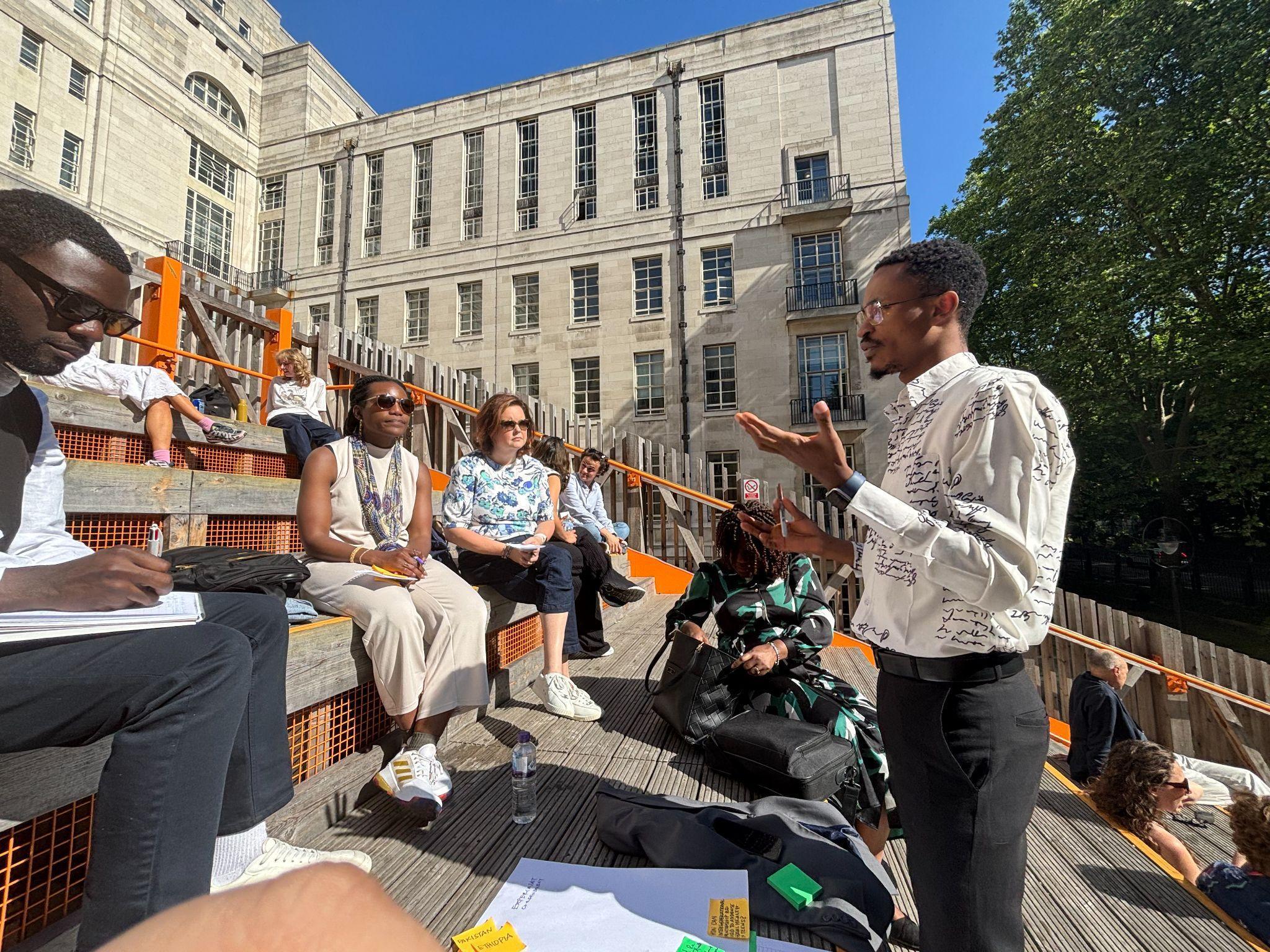
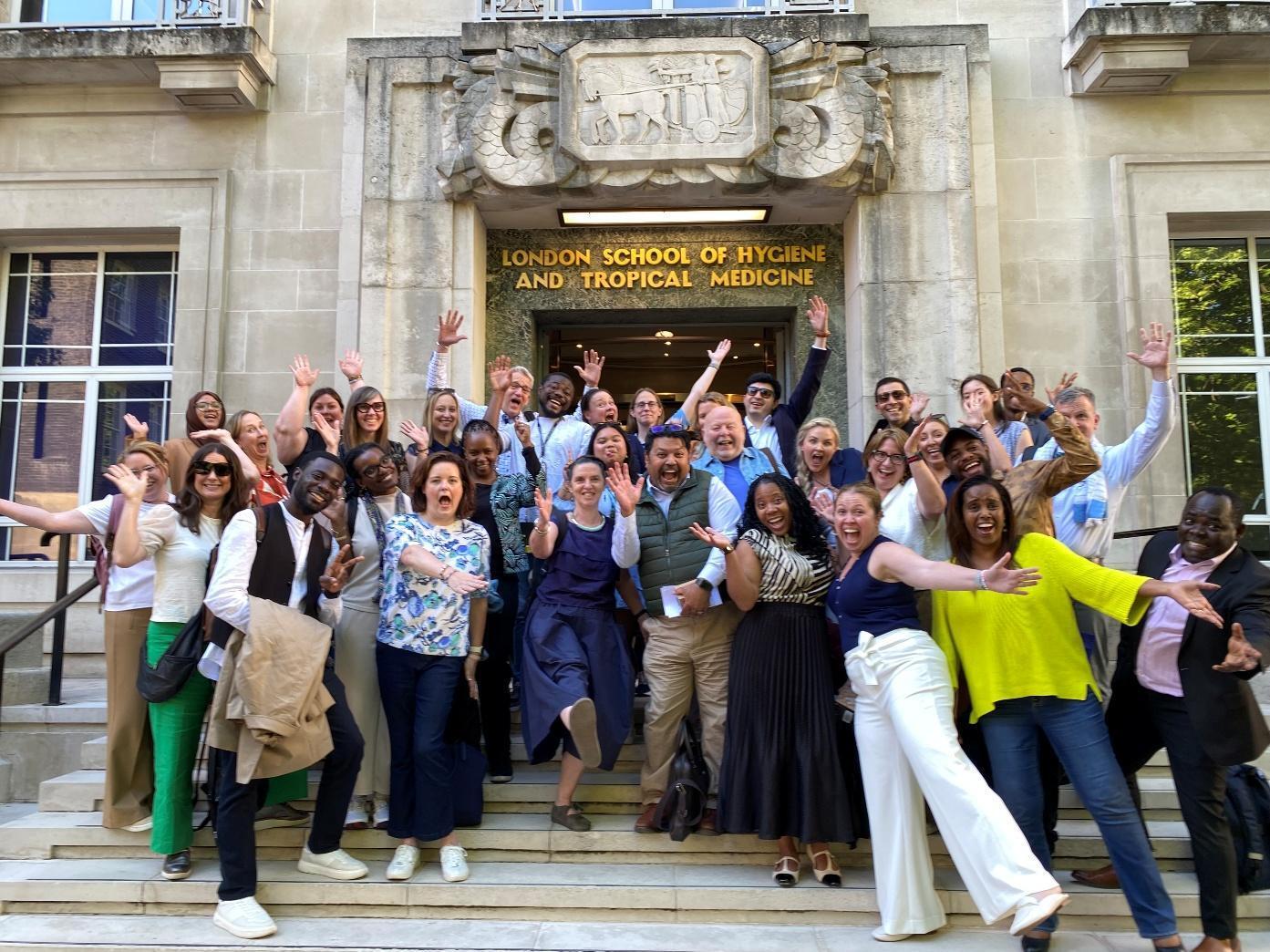
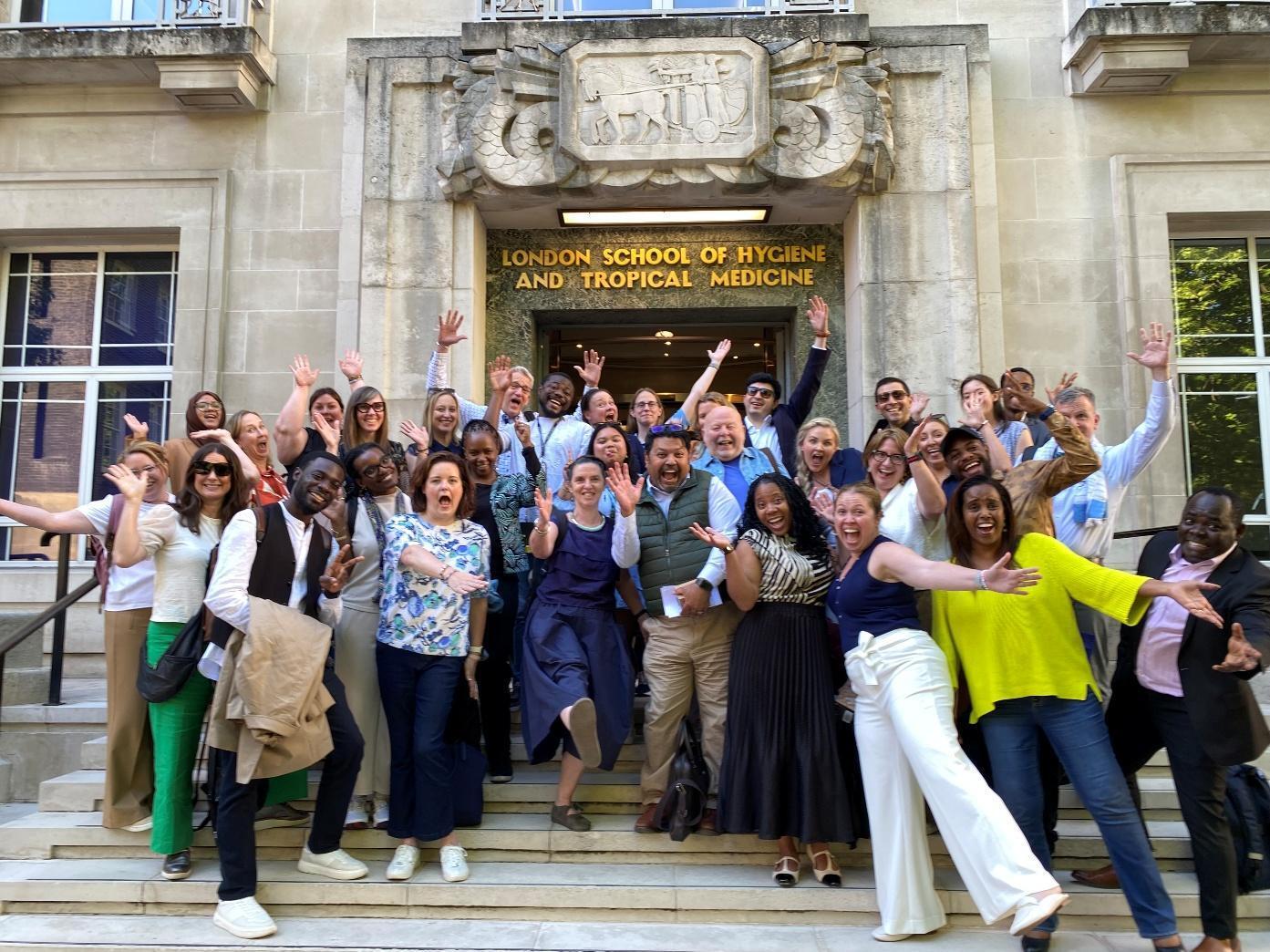
What does a community need to know before embarking in participatory research? And what might it need to leave aside? These twin questions emerged during a participatory workshop panel held at the London School of Hygiene and Tropical Medicine (LSHTM) (Figure 1). Drawing on workshop insights and our own community academic collaborations, we reflect on key considerations for communities preparing to start participatory research. The research presents key insights in two categories: “lessons to know” and “factors to leave aside”.
Methods
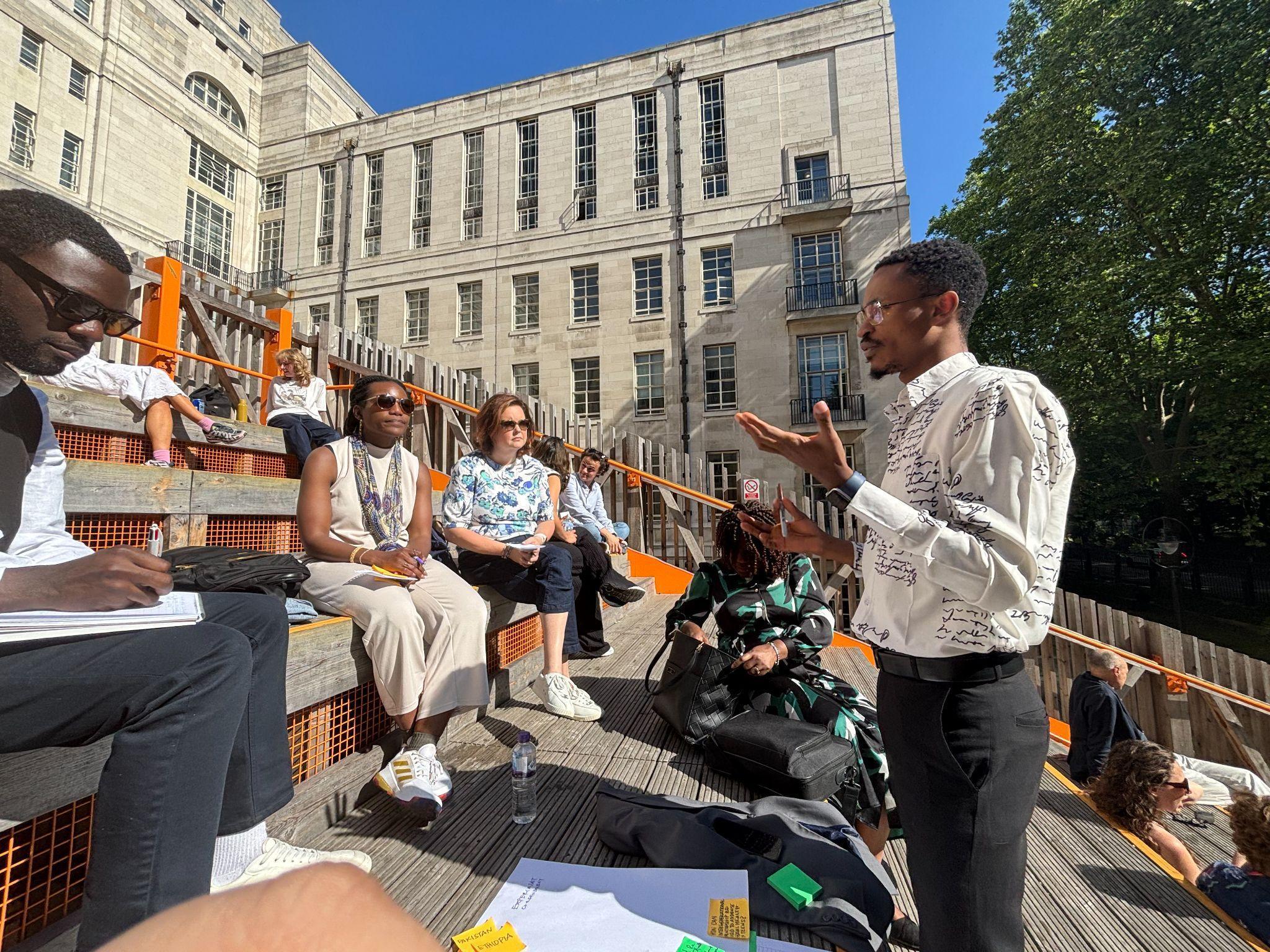
This report is based on a participatory research workshop held on 13 May 2025 at LSHTM, convened to explore methods in participatory research. The session was co-organized by community partners, LSHTM, and UNC Chapel Hill. Sixty-four participants included researchers, students, and public health practitioners. Community partners were involved in shaping the workshop agenda, facilitating sessions, and synthesizing outputs. This ensured that insights reflected both practitioner and community perspectives rather than a purely academic view.
The workshop was open to anyone and included lunch and a small gift as a token of appreciation. The focus of the workshop, format, and topics were decided based on a brief online survey completed by all participants. The hybrid workshop included didactic sessions, a participatory co-creation component, and a community panel.
The community panel focused on non-researcher perspectives on preparing for participatory research. The purpose of the panel was to consider how communities can meaningfully join their first participatory research study. The panel had four community members with extensive participatory research experience. Following the panel discussion, the panelists identified two key concepts related to preparing communities for participatory research - knowing and leaving aside. Themes were refined through iterative discussions between community panelists and academic participants to ensure accuracy and shared interpretation. We assembled a concise set of considerations to support community members embarking on participatory research for the first time.
Discussion
What Communities Need to Know
Six themes emerged related to preparing communities for participatory research: communities are not monoliths; the tempo of research is often misaligned with community life; power is often imbalanced; language can be a barrier or a bridge; expectations should be clarified early; and areas of mutual interest should be identified. These are explained in more detail below.
-
Communities are not monoliths: Communities are internally diverse, shaped by intersecting factors such as age, gender, class, disability, migration status, language, education, and life experience. No single individual can represent the collective voice or needs of an entire community. Recognizing and working with this diversity is central to genuine inclusion (Han et al., 2021). (Han et al., 2021). Community members’ ability to meaningfully engage may differ depending on socioeconomic and structural factors such as access to education, physical ability, and linguistic inclusion. Accommodations for subsets of people are part of inclusive design. For example, arranging for interpretation, supporting transportation, and using accessible venues can Planning for equitable participation from the outset helps ensure that community participation reflects community realities (Rios et al., 2016). Inclusion is not simply about invitations; it involves designing conditions that enable all members to meaningfully participate and influence outcomes. These deliberate actions can help make inclusion more meaningful and ensure that less-heard voices can shape decisions.
-
The tempo of research is often misaligned with community life: Research operates on unusual timelines. Proposal development, ethical review, administrative approval, and receiving funding can take months or years. These slow periods may be followed by periods where rapid input is needed to meet deadlines. This start-and-stop rhythm often clashes with community life, particularly when participants are volunteering their time or managing competing priorities. Recognizing this pace mismatch as a structural feature of research, rather than a reflection of disorganization, can help communities anticipate periods of inactivity and remain engaged over the long term. Early conversations about timelines and communication can reduce frustration and foster trust. Community members should also feel comfortable turning down requests for participation that don’t arrive with sufficient context or time for meaningful participation.
-
Power is often imbalanced: While community-engaged research aspires to share power, it rarely begins from an equal starting point. Control over funding, framing, authorship, and decision-making often remains concentrated withacademic partners. These power dynamics are structural rather than personal, and acknowledging them is fundamental to equitable collaboration. Empowering communities to interrogate these dynamics helps foster accountability and transparency. Key questions include: Who defines the research questions? Who controls resources and data? Who receives credit or authorship? Community advocates may also hold professional roles within health agencies or civil-society organizations, creating overlapping interests that influence dialogue. Potential conflicts of interest should be identified and managed as appropriate. Importantly, some researchers also identify as members of the communities they study. Their lived experience can bring understanding, enhance authenticity, and challenge traditional hierarchies of expertise when carefully managed.
Ultimately, shared power in participatory research is built through deliberate negotiations of roles, open dialogue about resources, and recognition of the different forms of knowledge that each partner brings.
-
Language can be a barrier or a bridge: Research is full of jargon, acronyms, and assumptions that can unintentionally exclude community members unfamiliar with technical language. At the same time, the language of community members—especially when rooted in culture, narrative, or emotion can be dismissed as unscientific or anecdotal. Communities may benefit from an introductory orientation on key research concepts and ethics, while researchers must generate lay summaries and use clear language for a public audience. Researchers should remain open to community-based and experiential knowledge that complements scientific evidence. merges A shared understanding of a topic can emerge from iterative reflection.
-
Expectations should be clarified early: Participatory research may involve consultation, co-design, co-delivery, or co-authorship—but rarely all at once. Unclear roles and expectations can quickly lead to frustration. Communities should feel empowered to ask what is expected of them, what level of involvement is envisioned, and how their input will shape decisions. Open discussion of boundaries, timelines, compensation, and authorship early in the process prevents misunderstanding and supports accountability on all sides.
-
Identify areas of mutual interest: Shared interests are the foundation of equitable collaboration. When communities and researchers identify what matters to both, they build trust, sustain motivation, and share ownership of outcomes. Aligning goals early helps balance power, ensure relevance, and turn participation from consultation into genuine partnership. It also helps anticipate potential tensions by clarifying where priorities overlap and where they diverge. This early alignment makes decision-making more transparent and strengthens long-term commitment to the research process.
What Communities Might Need to Leave Aside
If knowing involves acquiring helpful frames and tools, leaving aside asks communities to let go of assumptions that might hinder collaboration. These are often deeply rooted in past experiences and must be approached with care.
-
Experts always have the answers: One of the most empowering shifts in community-engaged research is recognizing that expertise is plural. Academic and clinical knowledge is valuable, but so is lived experience. Communities may need to challenge the assumption that their role is simply to support or validate expert opinion. In strong partnerships, researchers and communities learn with each other, not just from each other. Conversely, lived experience alone does not make one voice representative of an entire group; diversity within communities must also be acknowledged.
-
The belief that participation guarantees social change: This may be one of the hardest lessons. Community members often engage in research hoping to see tangible improvements in services, policy, or practice. However, research outcomes do not always translate directly into health, social, or other changes. Recognizing this reality can help communities maintain realistic expectations without diminishing their aspirations for impact. Researchers have a responsibility to communicate potential pathways for influencing change. After the study, communities should consider working with researchers to plan next steps for possible advocacy so that when the formal research ends, the community’s momentum continues.
-
Address research-related past harms with caution: Some communities carry painful memories of previous research that were extractive, exploitative, or disrespectful. It is not reasonable or ethical—to ask them to simply forget. However, if genuine partnership is the goal, there must be space to name those experiences, acknowledge the harm, and re-build trust. Recognizing the historical and systemic dimensions of these harms is essential to repair. Productive “leaving aside” means acknowledging the past while remaining open to present possibilities for equitable collaboration.
-
Idealized notions of harmony: Communities are complex and dynamic; disagreement is inevitable. Differences of opinion or conflict during research are not signs of failure but evidence of authentic participation. Letting go of the idea that community means consensus allows more space for dialogue, disagreement, and growth. Facilitators should create safe spaces for dissent and collective problem-solving, treating disagreement as a source of learning rather than disruption.
Conclusion
Participatory research offers exciting possibilities for justice, inclusion, and innovation. However, realizing those possibilities requires more than good intentions. Communities joining participatory research studies need honest conversations and time to unlearn myths that limit their agency.
The twin practices of knowing and leaving aside can help communities enter research on firmer and freer ground. Preparing communities to engage as equal partners strengthens not only the research process, but also local capacity for advocacy, decision-making, and leadership beyond individual projects. As researchers and community partners, we must ask not only how we bring people in—but how we prepare them to lead.